

IN CONVERSATION WITH ELLA EZEIKE
Interview by Chloé Heyart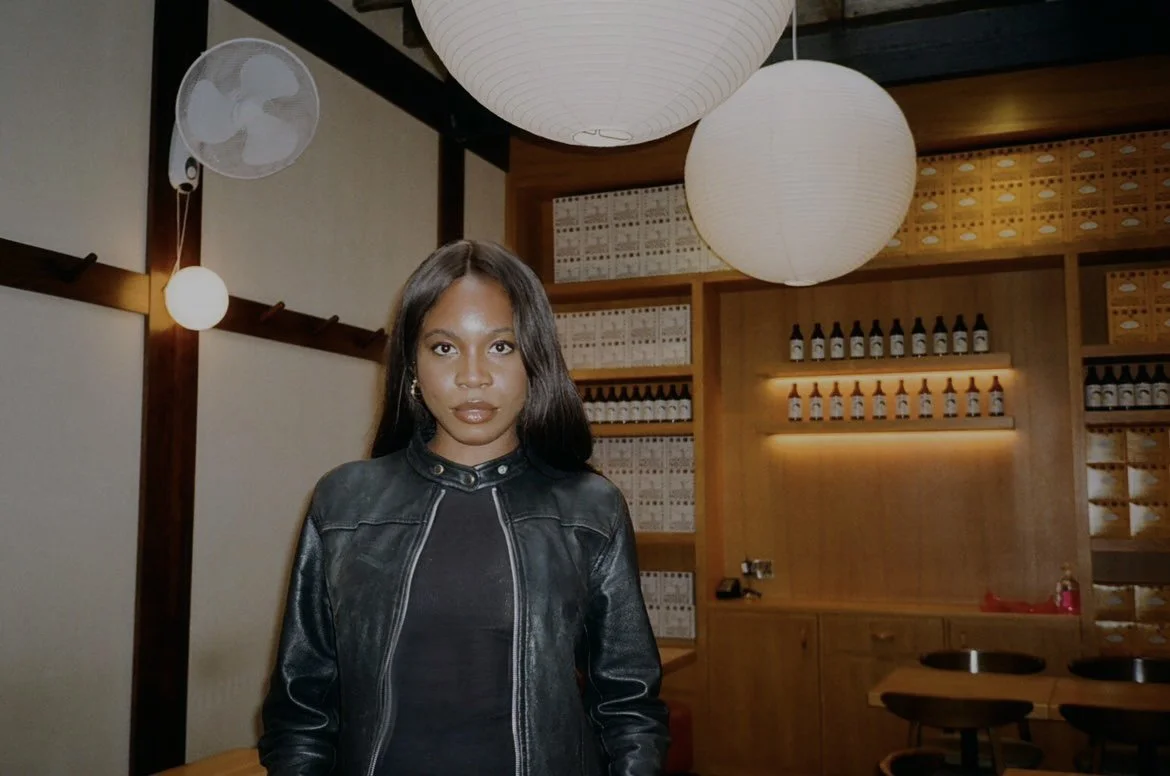
Raised in Los Angeles and based in London, filmmaker Ella Ezeike is carving out a distinct visual language rooted in the Black female lens. One that covers universally resonant topics explored through a deeply personal framing. With a lauded body of work spanning acclaimed short films, music videos and commercials, the Nigerian-American talent moves through themes of intimacy, vulnerability, identity and human connection with a narrative-centric approach.
Ella’s ambitions stretch far beyond the confines of a single niche. Rather than being boxed in by limiting industry expectations, she’s intent on exploring a wider spectrum of narratives and cinematic worlds with a strong focus on sound and movement.
In conversation with Mosaiko Magazine, the director reflects on her journey so far and what’s yet to come. From growing up in the city of angels to later navigating London’s creative landscape, Ella opens up about the experiences that have and continue to shape her storytelling, tensions in the industry and what she wishes to see more of.
Let’s go all the way back to the beginning. Were you raised in a creative household where an artistic career was encouraged?
Before becoming a director and working in the film industry, I was always artistic. My mom put me in acting classes when I was five years old. I was also a singer for a large portion of my life, and I did theatre. Performing, or being front-facing, has always been in my wheelhouse. My parents really encouraged me in that, but at the same time, we didn’t really have the resources to pursue it in a way I would have wanted to. That means taking me to auditions, making sure I had the proper training and such. Which is fine, it taught me a lot about being self-sufficient and figuring it out on my own.
What first sparked your interest in filmmaking and visual language as a medium of expression?
Around 2021, I was working as an editor and production manager, and I did videography for smaller brands and YouTubers. At that point, I’d been filming and capturing things for a while, and I’ve always loved film as a medium. Film and music go hand in hand for me, so a film will resonate with me if the score and sound design really move me. Directing just made sense at some point. It became a natural trajectory because it was a world that I knew of but hadn’t fully explored yet. When you’re directing talent, you get to explore movement, emotion, vulnerability and all of those things that I had learned and accumulated up until that point.
What moment in your filmmaking journey made you realise that you want to pursue it as a career?
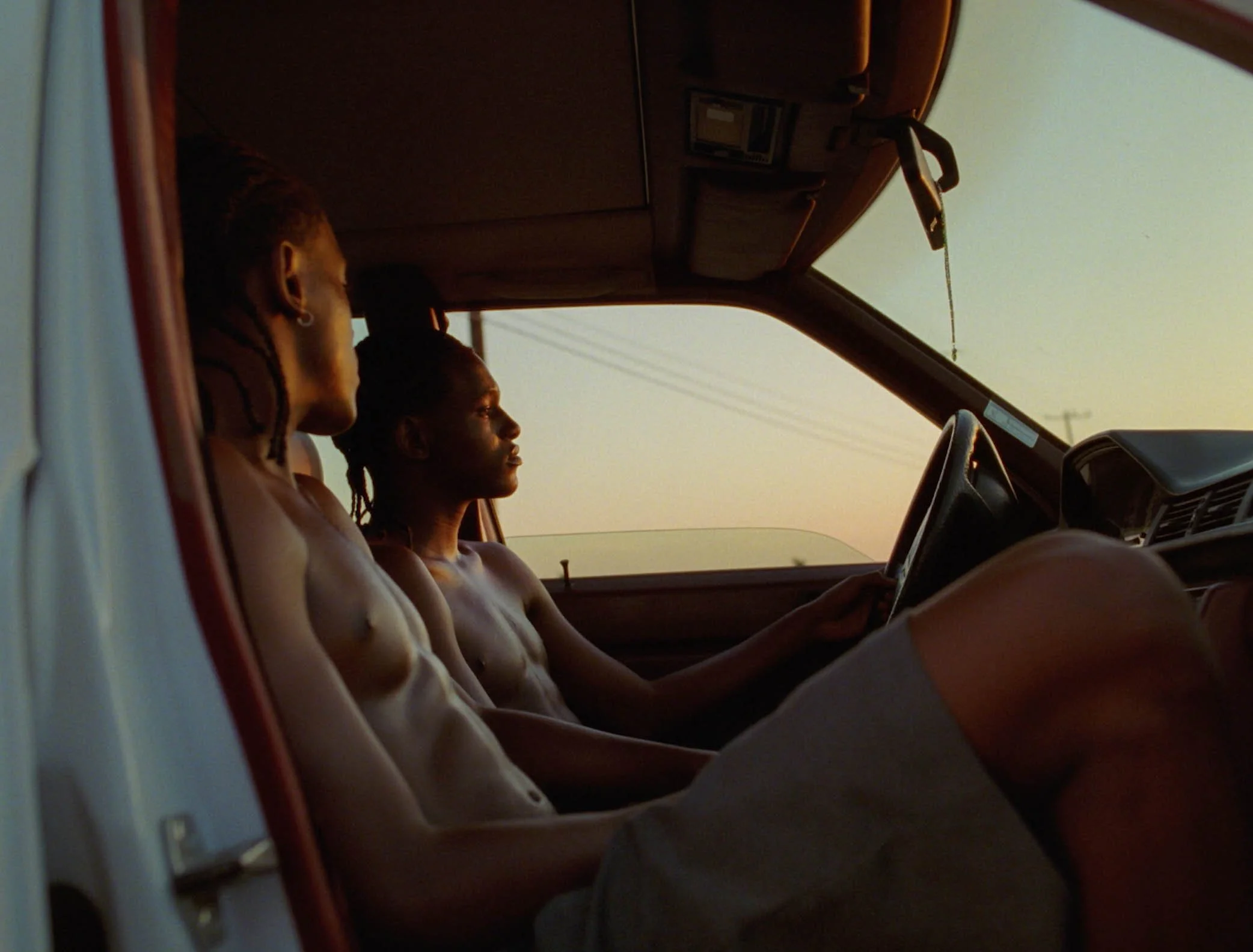
I made my first short film around 2021 that blew up, so I’d say that’s what really got me into it. The film is called Bluebird, and it was inspired by a breakup. I didn’t necessarily want to highlight the breakup itself, though. I wanted to highlight the love and solidarity that I found through my female friendships instead, and how they helped me through that journey.
I shot it on three rolls of film and explored the nuance and beauty within female friendships. So many of us have gone through breakups, and so many of us have leaned on our friends as safety nets to get us through or out of that. It resonated with people in a way that felt impactful. The short ended up getting screened at The Photographer’s Gallery and Somerset House, and Dazed featured it in an article. It also landed a Vimeo staff pick, which is sort of an online badge of honour for filmmakers.
Witnessing the audience’s reactions during the screenings and seeing people actually cry, had me go ‘oh, maybe I’m good at this’. As artists, we want to connect with people, right? Being an artist is tough, so having your work so tangibly resonate with people does keep you going when things get hard.
How did growing up in LA shape your work ethic and approach to going after what you want?
I’m so grateful for having been brought up in Los Angeles. It allowed me to grow up in proximity to the industry, so that was never truly alien to me. Growing up out there also gave me a certain confidence and grit that I don't know if I would have developed in London, because I feel like the energy here is quite passive in comparison.
You eventually moved to London to study and are currently still based there. How do you experience and navigate the cultural differences between LA and London when it comes to the creative industry?
The creativity and artistry in London is so brilliant, and I believe this city has some of the best artists in the world. At the same time, it harbours a certain rigidity towards work and how people want to be perceived, which I just don’t resonate with. And so sometimes, even though I’ve been here for so long, I have to step outside to remember that I need to hustle. I need to be more boisterous and in-your-face about what I do. Especially as Black women, we don’t have the luxury to be passive.
There’s also not a lot of reactivity here, which isn’t good. When an artist has a moment, they kind of just let that moment be a moment instead of piggybacking off of it to make sure that they leverage themselves when they’re in that heightened state. It’s about being diligent, pushing forward and keeping the output consistent. I feel like people can become complacent, they get lazy. It’s like ‘okay, I’ve had my moment within my community, that’s it’ instead of thinking ‘we’ve done this, now let’s keep it going’.
Ultimately, I’m grateful for both cities. London made me a better artist, but LA made me more persistent and positively delusional. I’ve always been adaptable, and there are certain things about me coming from an LA background that push me to the forefront in London, if that makes sense. It gives me a bit of an upper hand. I’ve figured out how to bend and be flexible, how to read the room to catch onto what works and what doesn’t.
Let's talk inspiration. Who or what is currently on Ella's mood board?
Oh, this is tough. I mean, I look at everything. Mood boards are hard because I'm really inspired by feeling and music. Music tends to always be my frame of reference, but I also really love old photographs. There’s this Brazilian photographer I really like, Sebastião Salgado.
I’m also obsessed with the colours in Alex Webb’s work and how emotive his images are. The blocks as well, those are something I constantly reference because in my own work. I think that the way you block characters to drive a story is super important, so I try to really keep that as a running theme in my work. The Louis Culture music video I did is very indicative of that. The way I blocked the talent and framed the shots was really inspired by his work.
Besides these two, which directors or other visual makers have inspired you the most?
I really love Renell. I love everything she does and she’s beautiful too, like, stunning! Her frame of reference takes from Deanna Lawson’s work, which is beautiful as well. But Renell’s work is so contemporary and fresh. Everything she puts out is sick. She’s definitely my North Star in terms of where I want my career to go, just being a cool girl that also has immaculate taste and irrefutable talent.
In terms of other filmmakers that I like, I’d go with Sofia Coppola. I wouldn’t say I necessarily resonate with her films because she makes work from a white female lens, but her trajectory is interesting to me. She started as an IT girl, created an online web show, had a fashion brand and eventually made all these amazing cult-like films.
Speaking of women, you recently hosted an event in Amsterdam about the experiences of women artists in the industry. How do you claim your space and leave your mark in such a male-dominated environment?
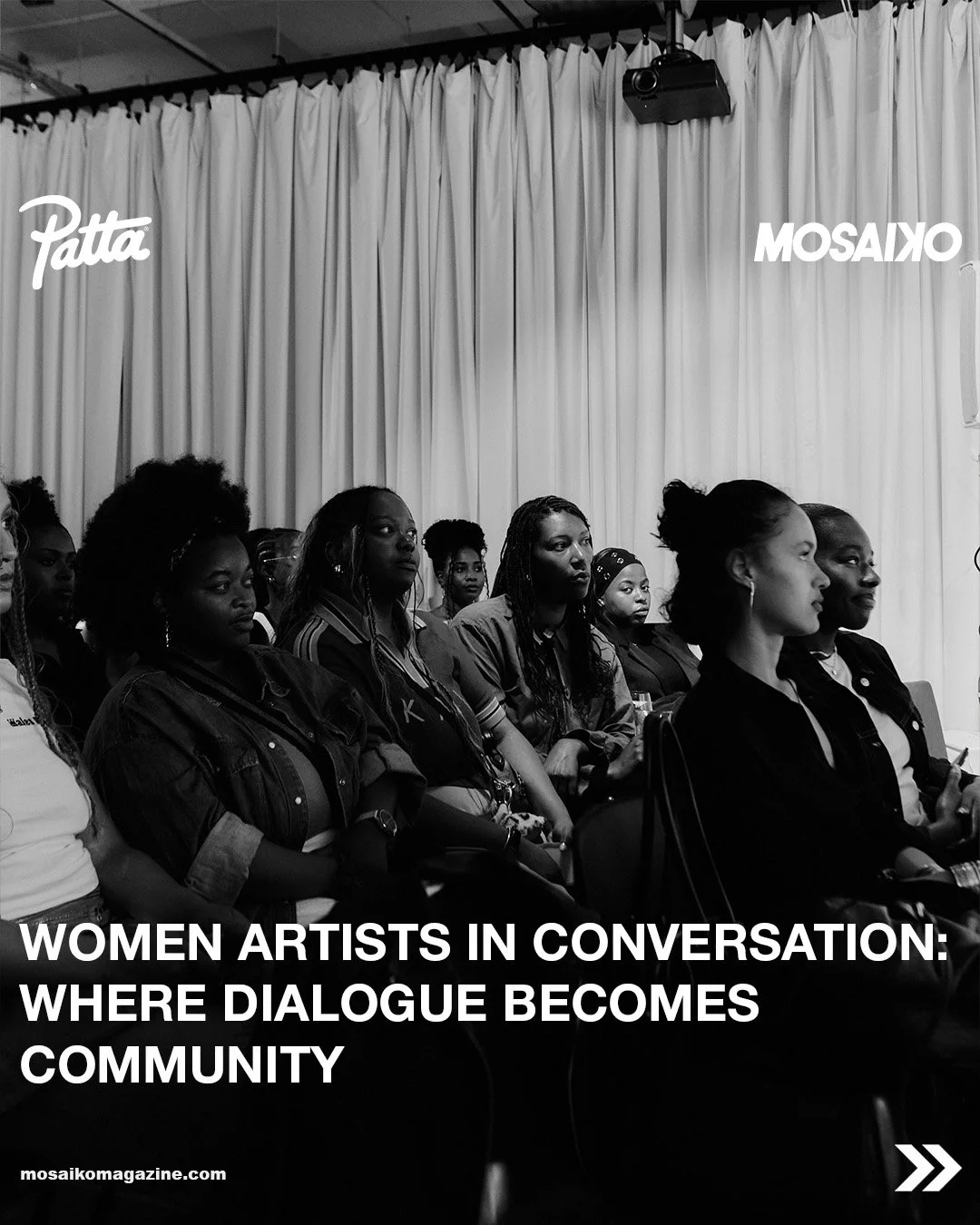
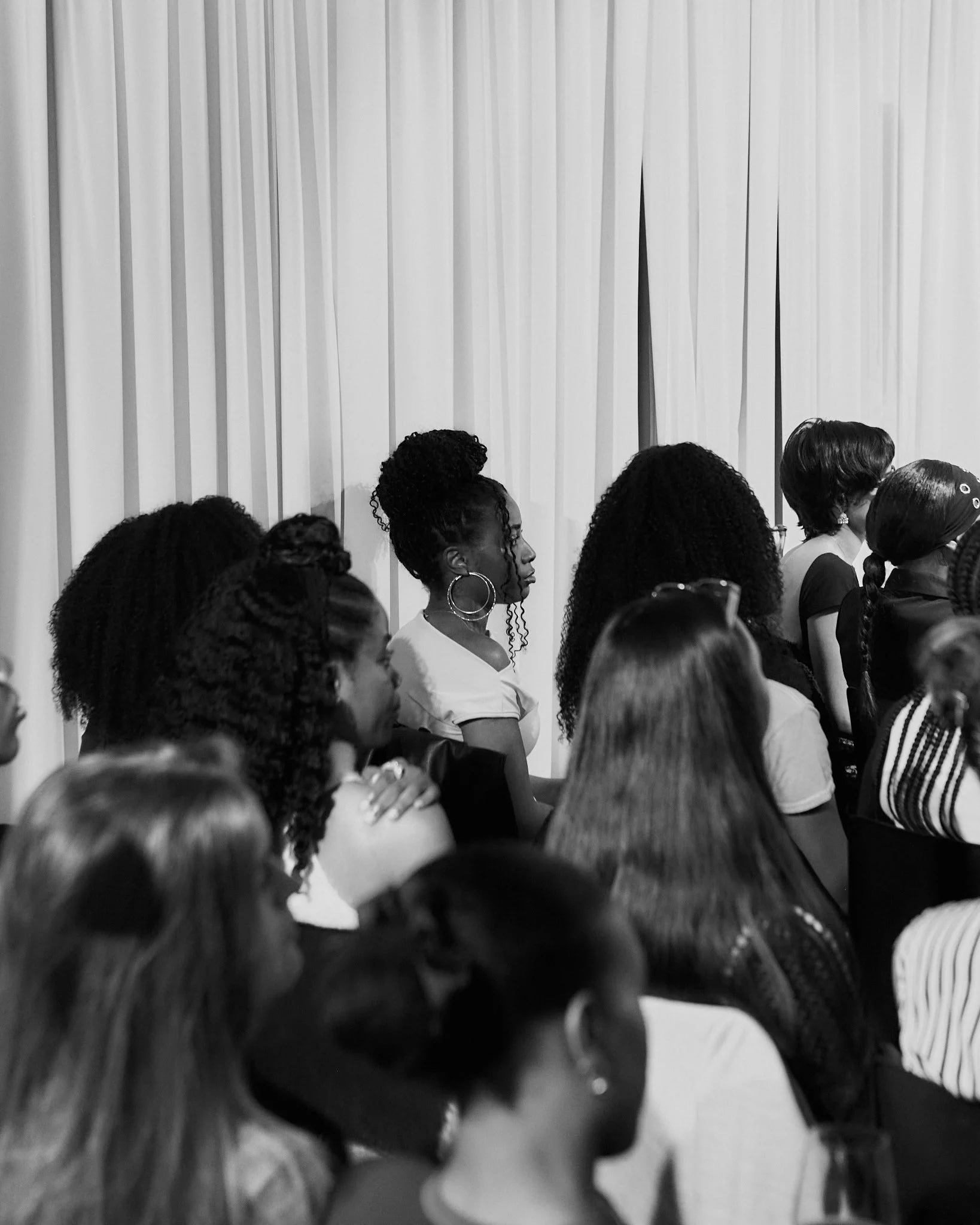
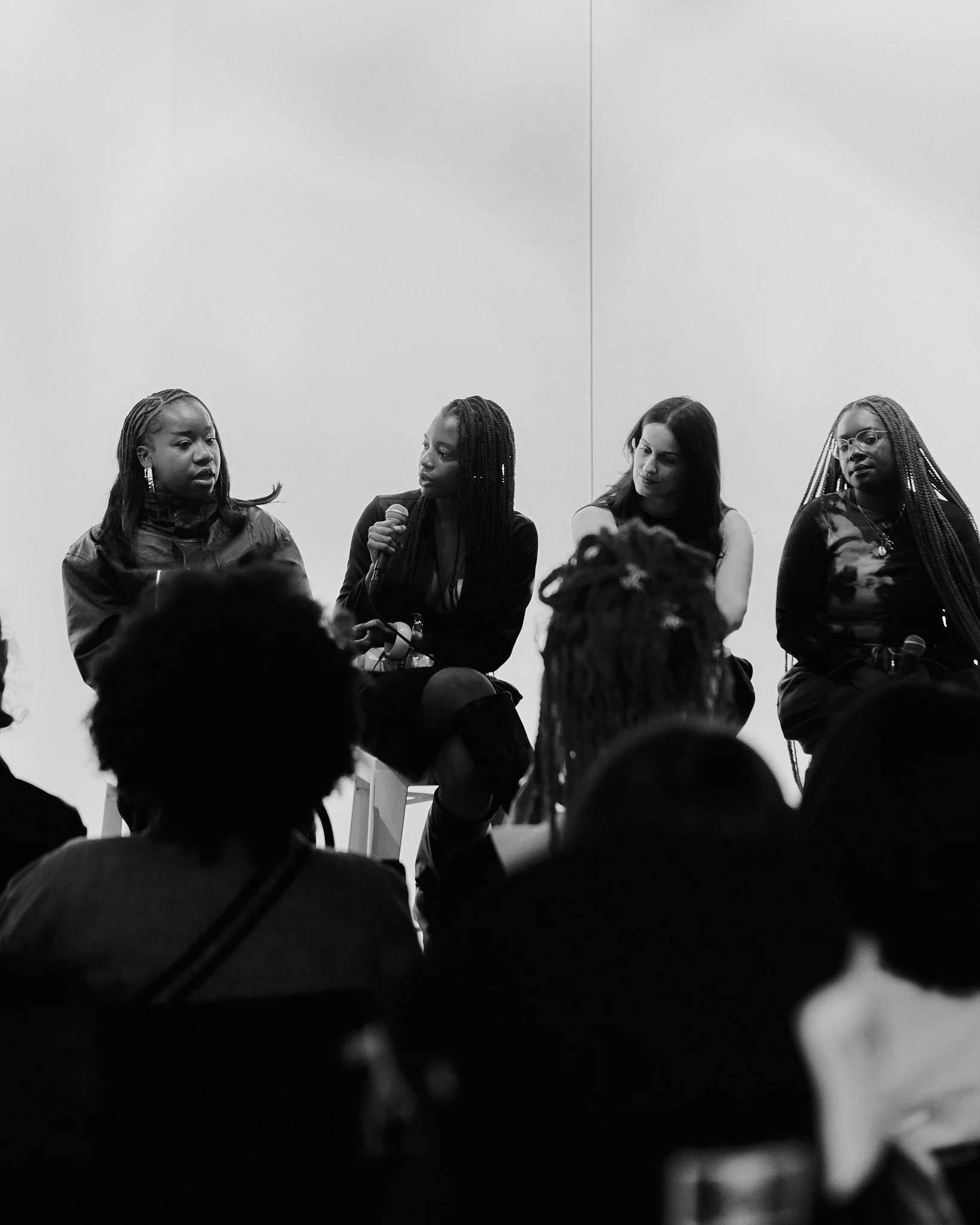
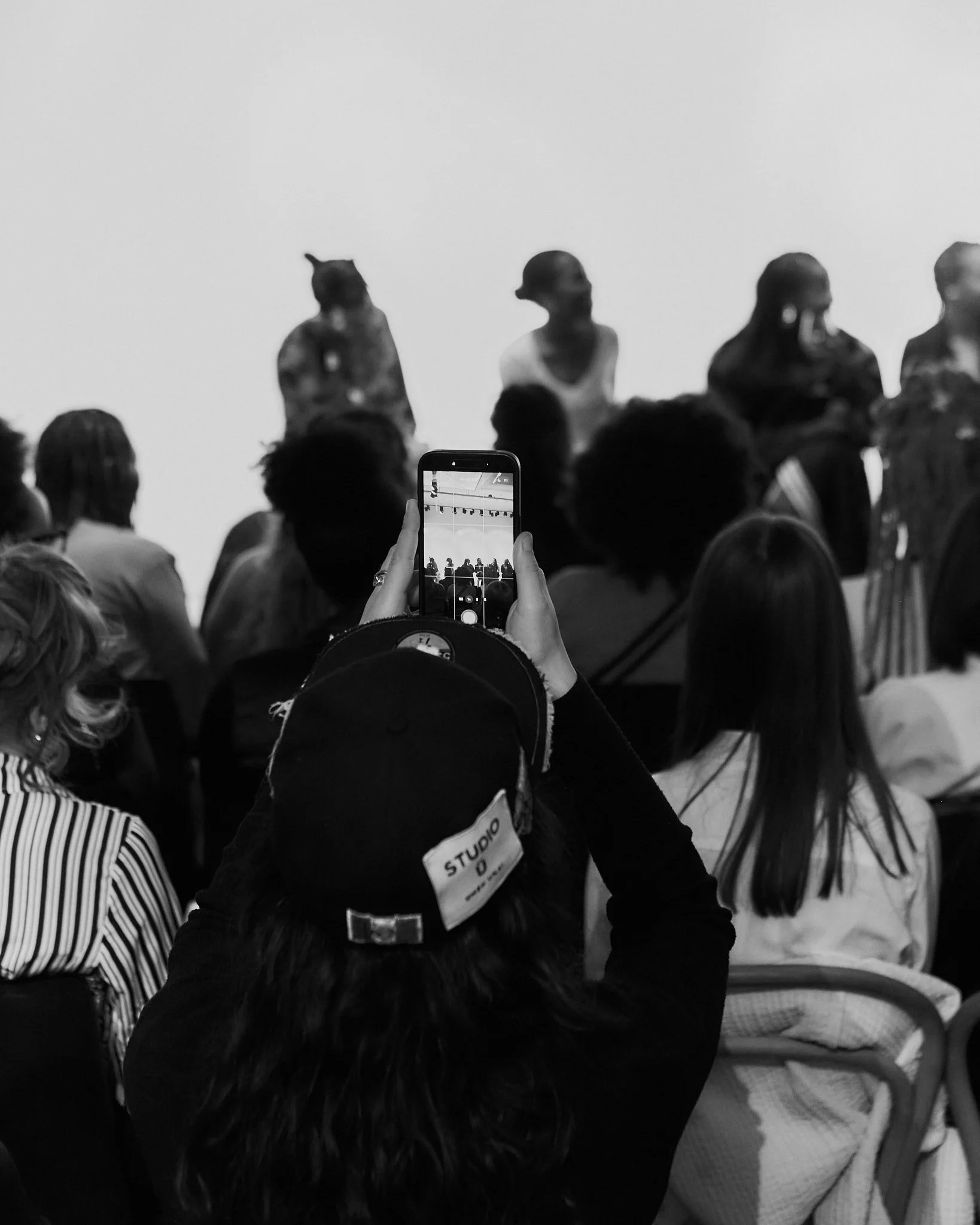
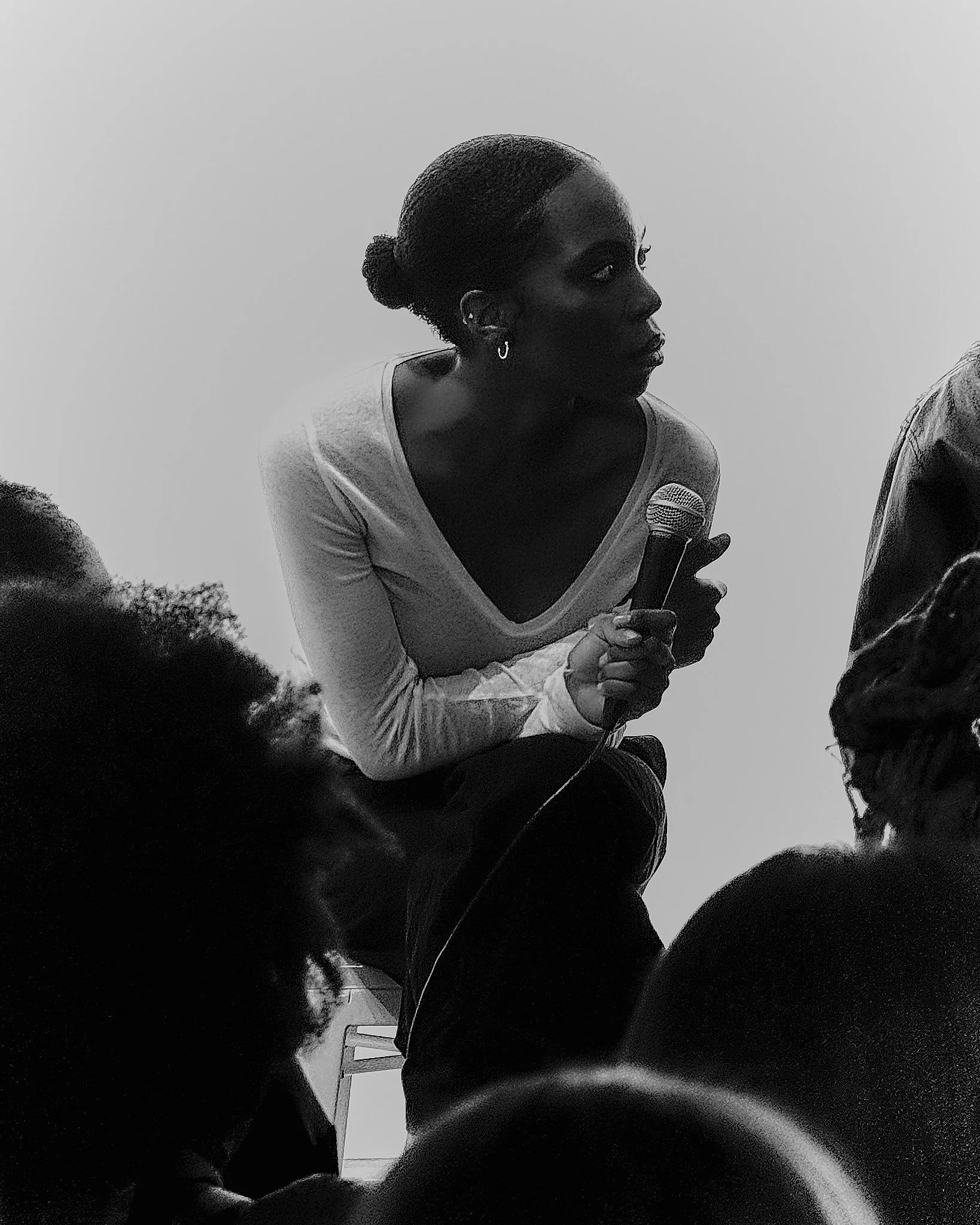
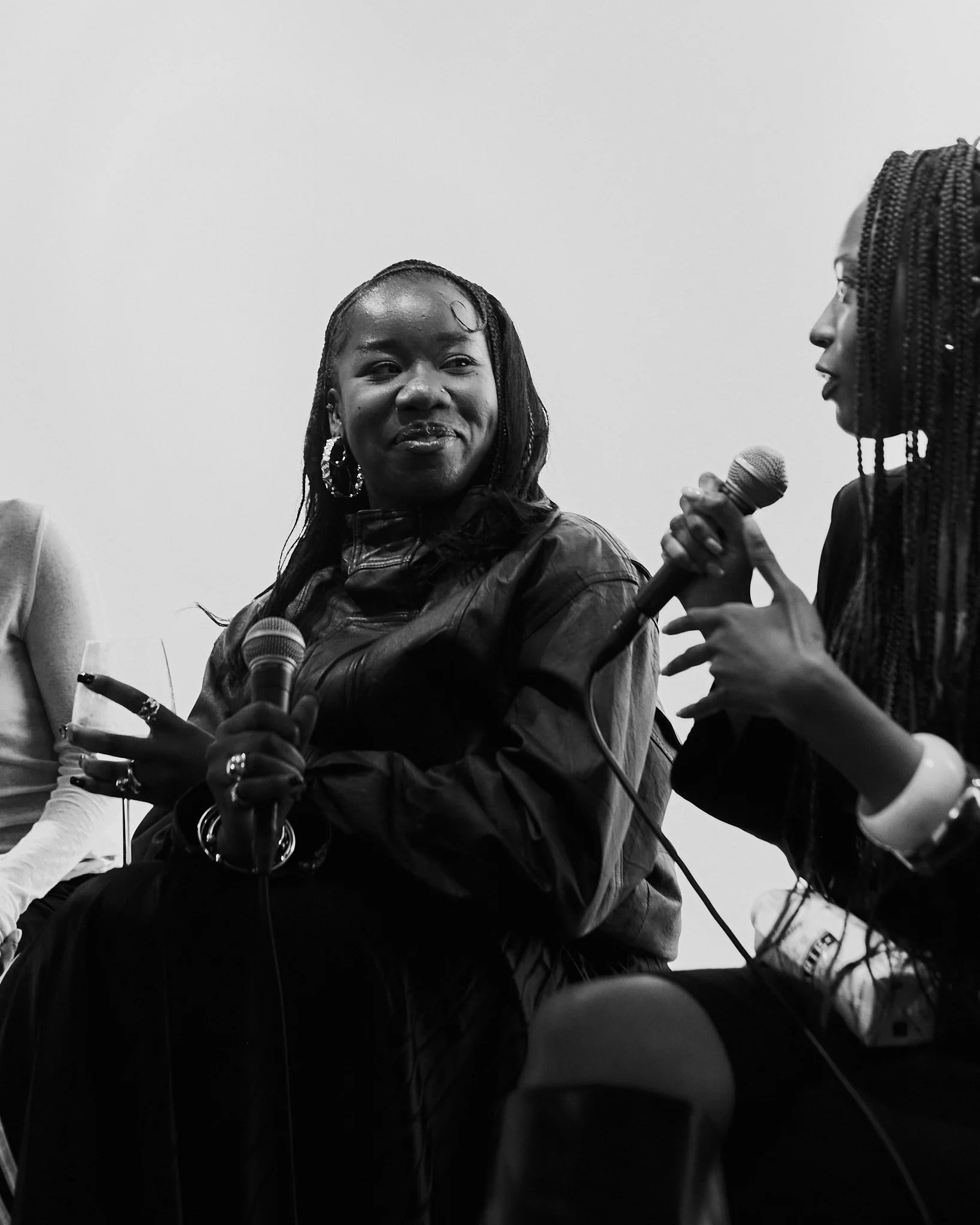
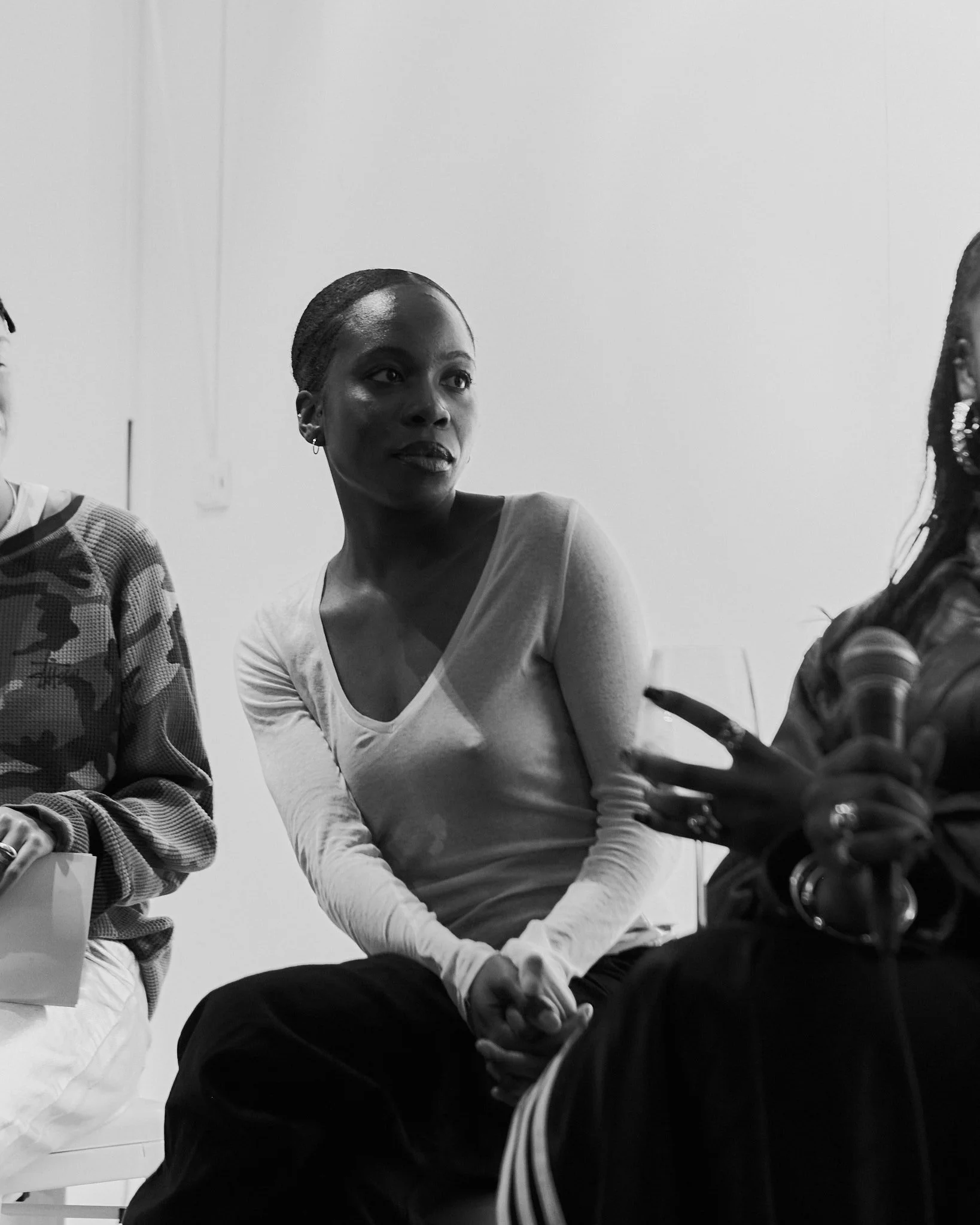
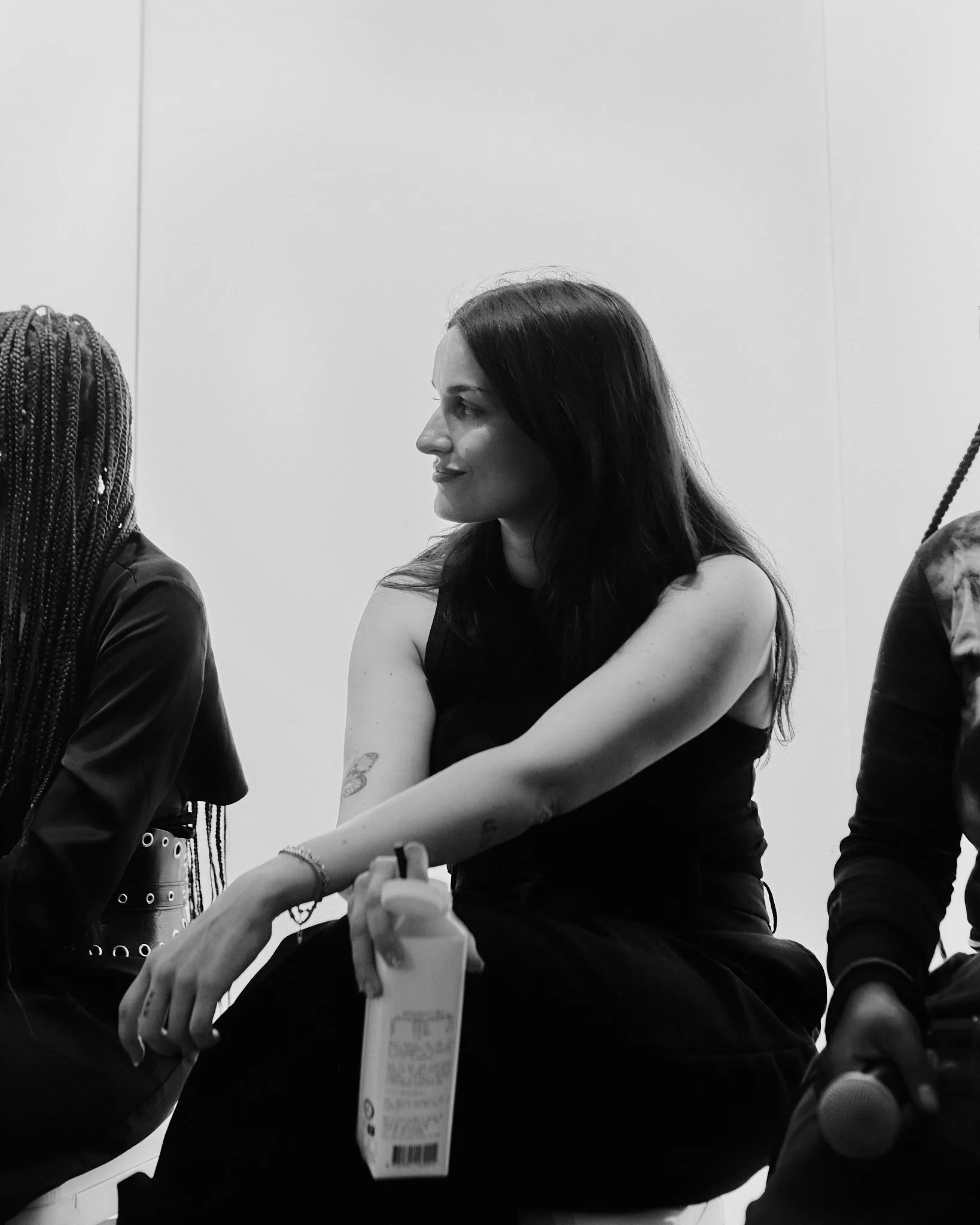
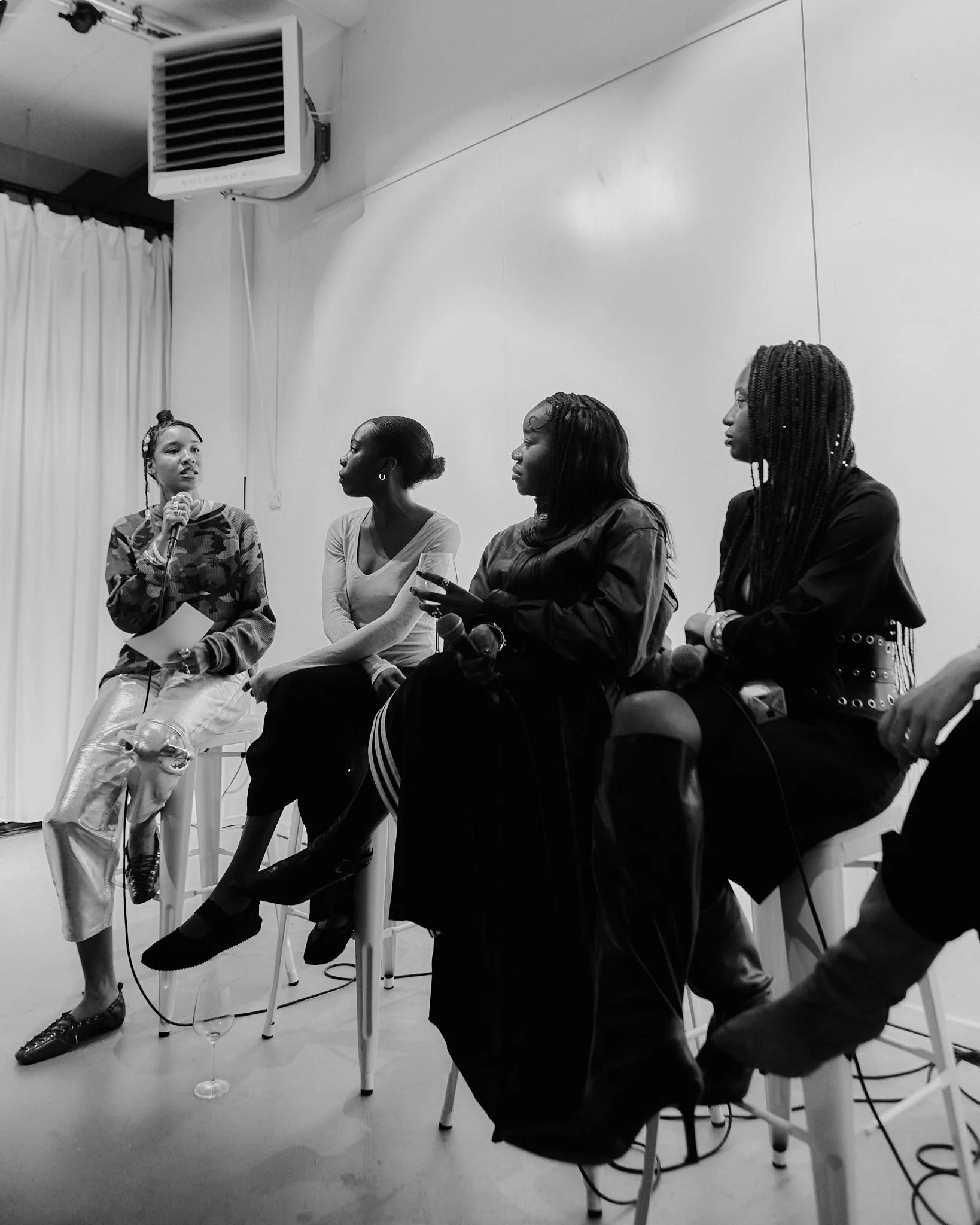
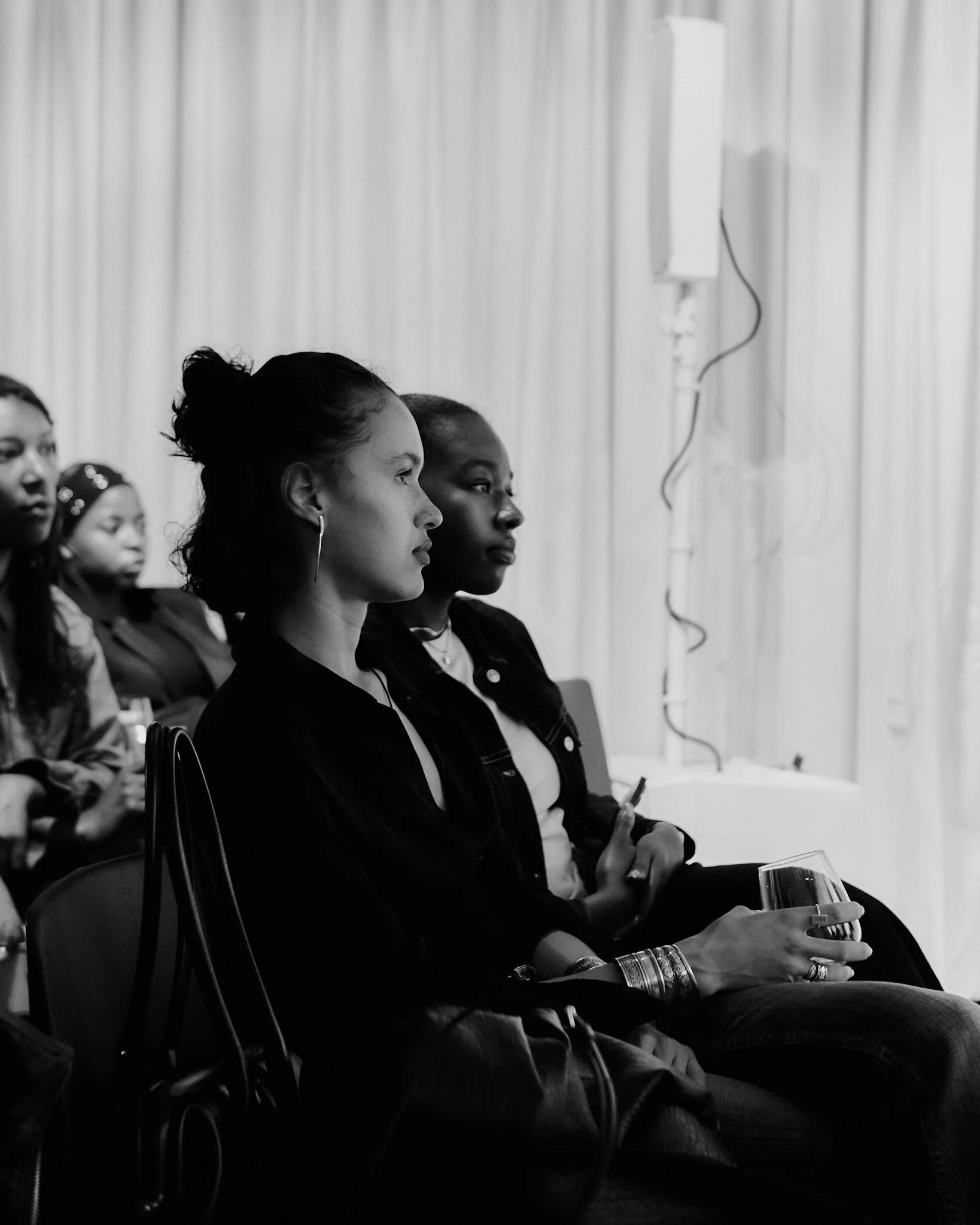
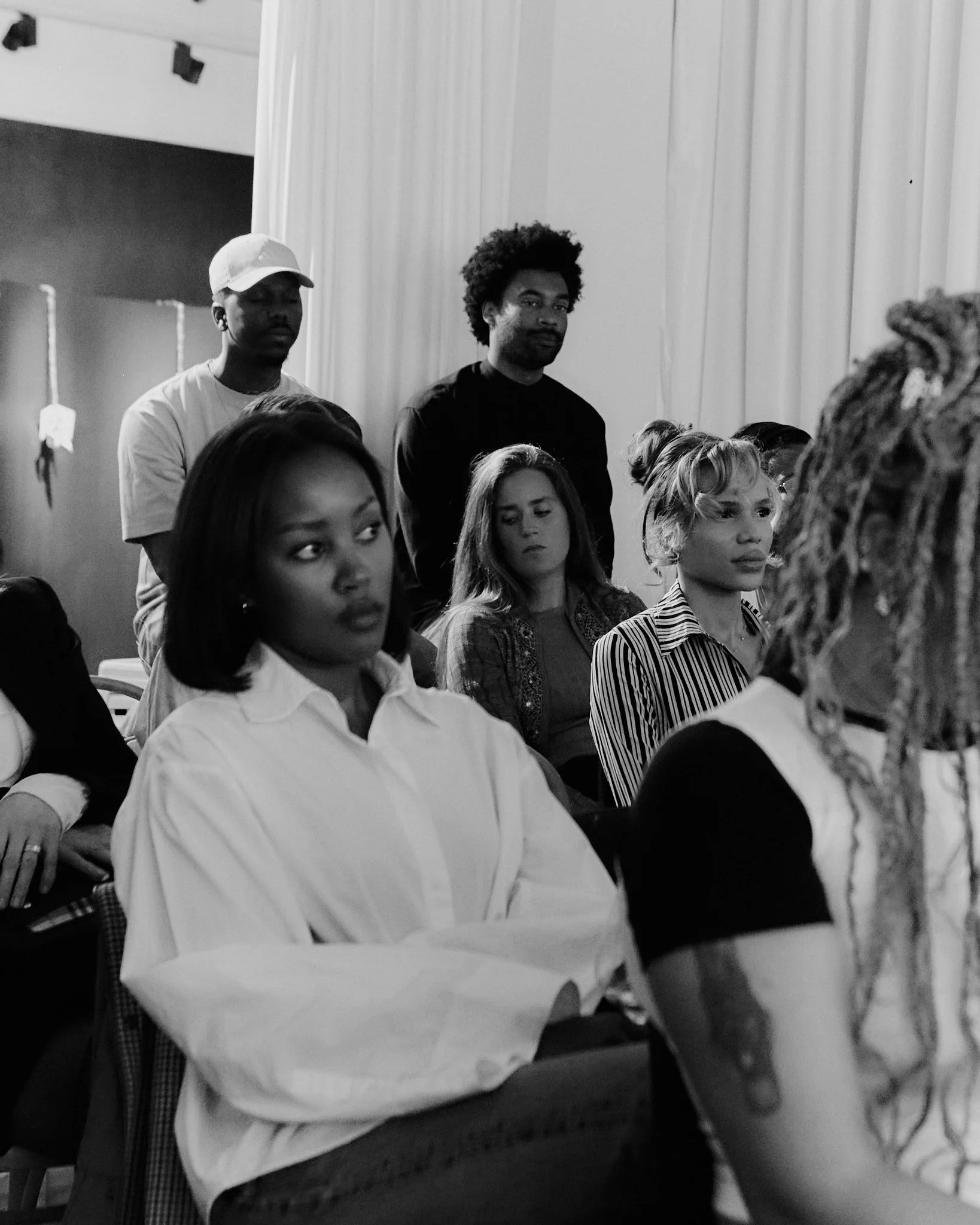
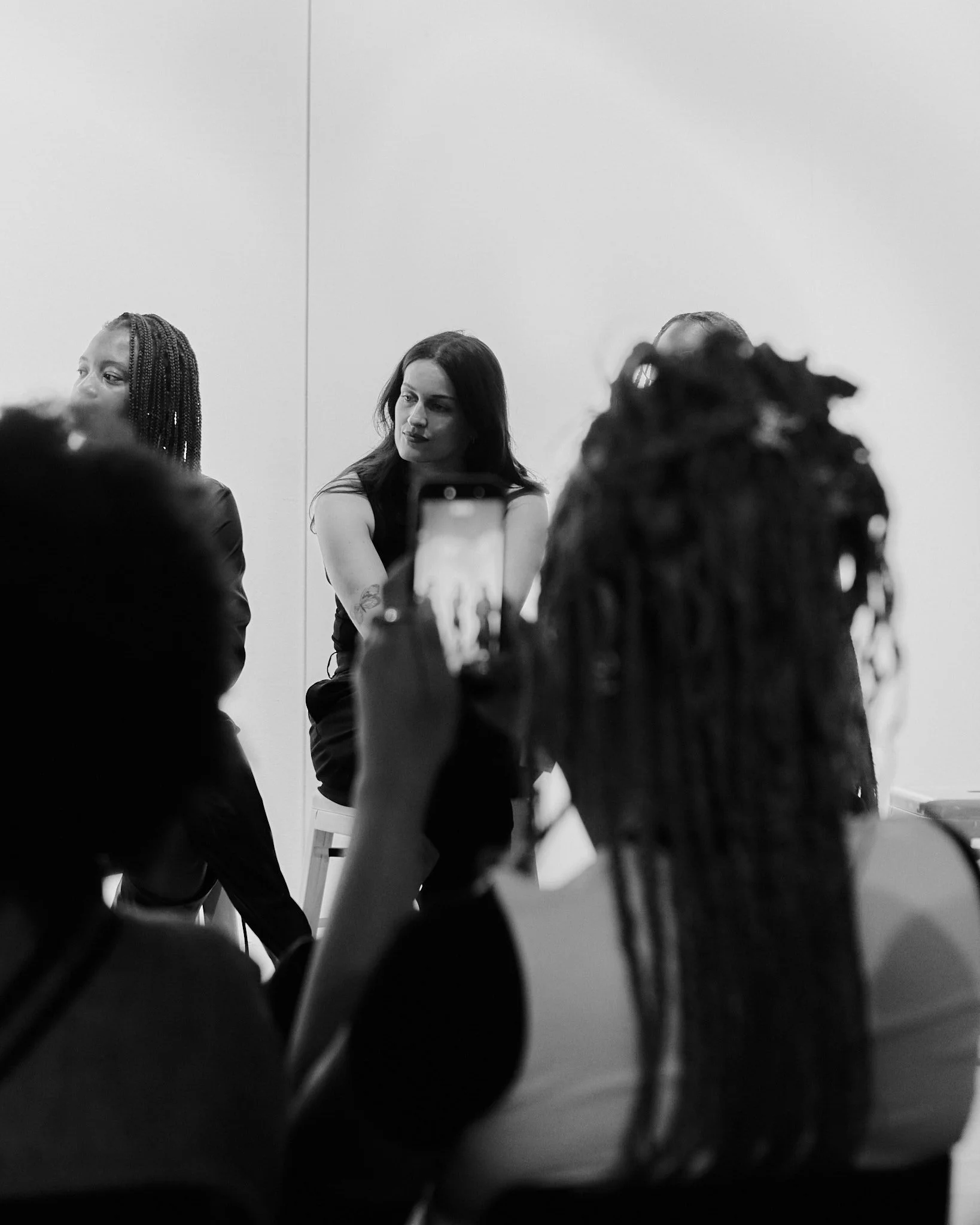
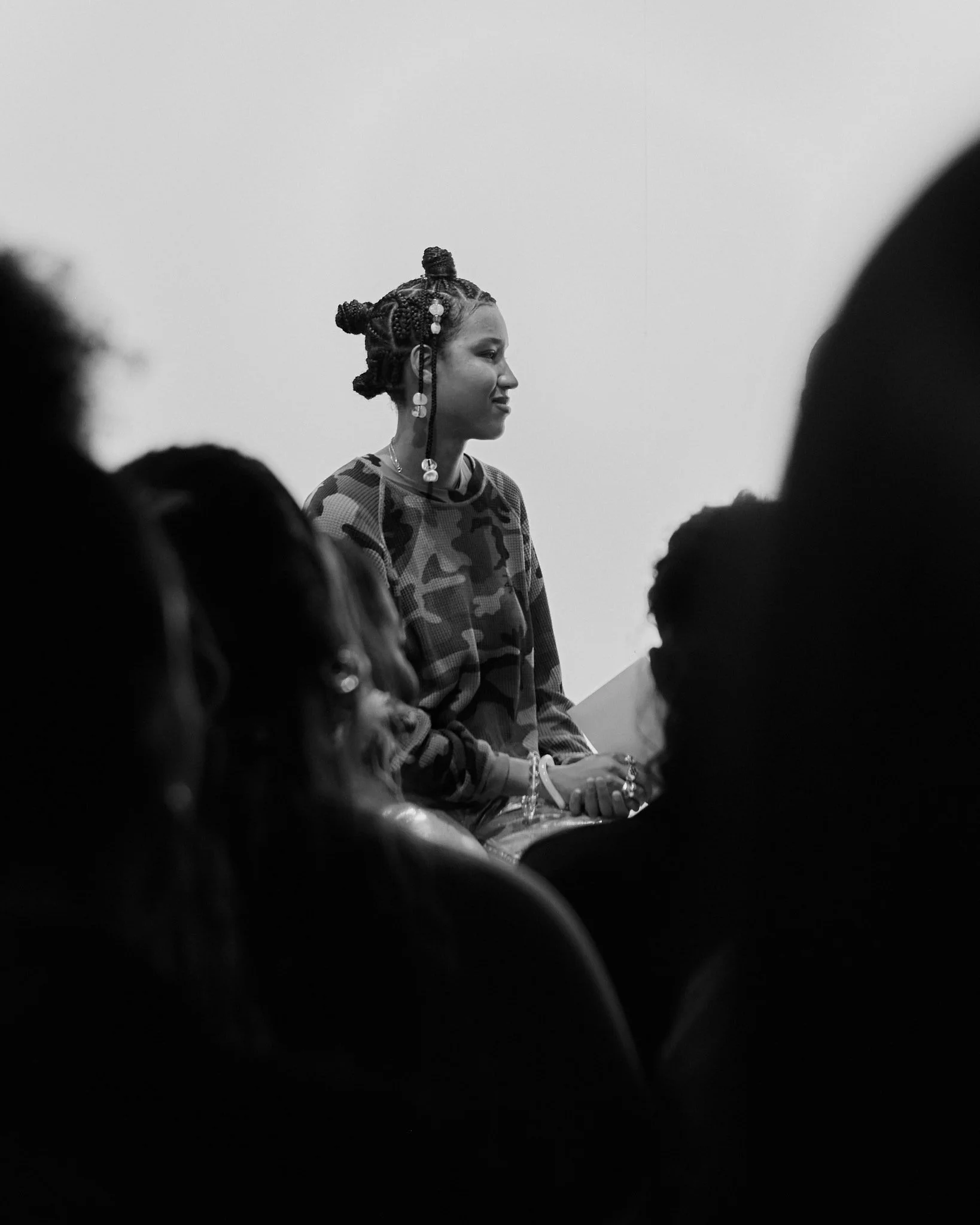
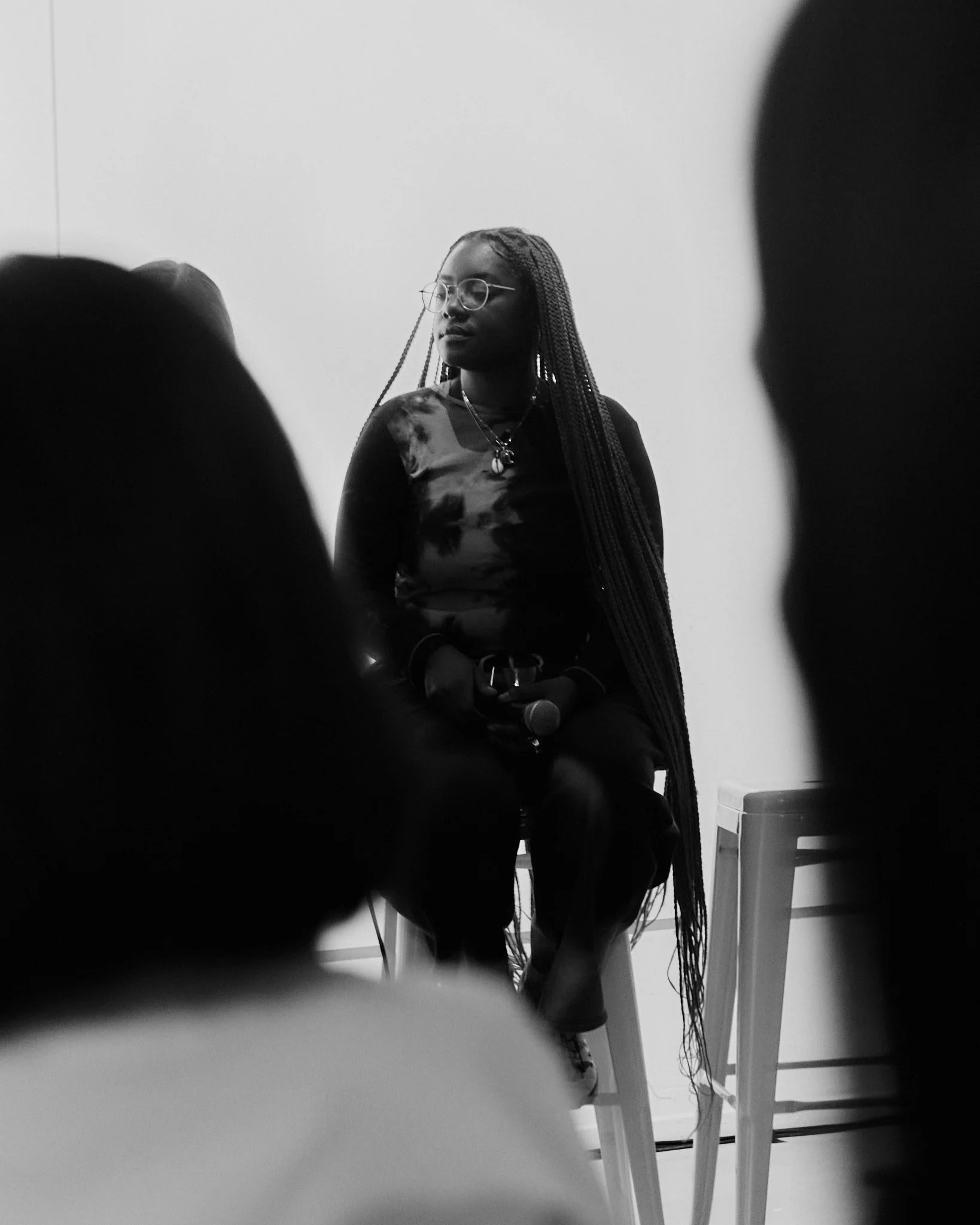
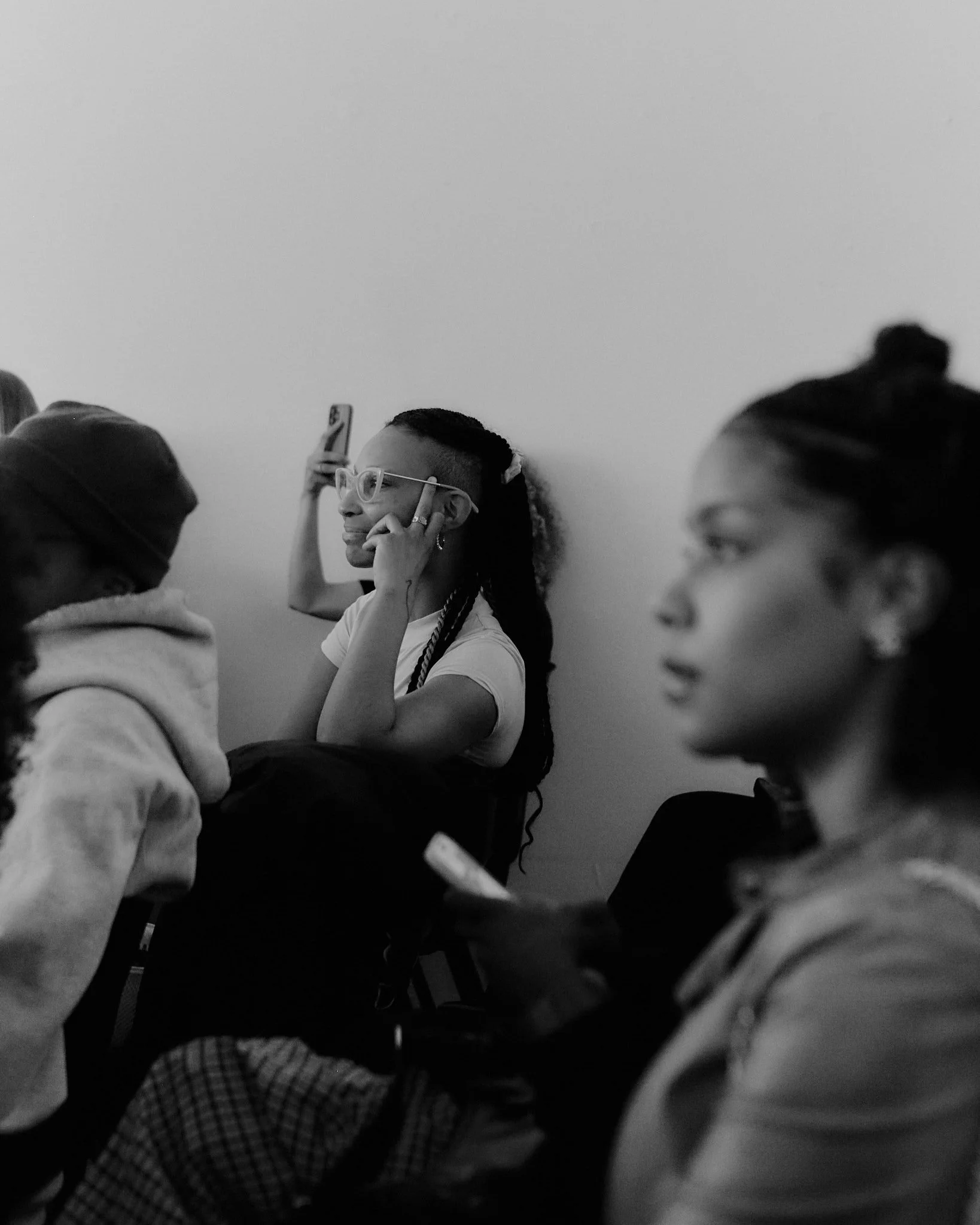
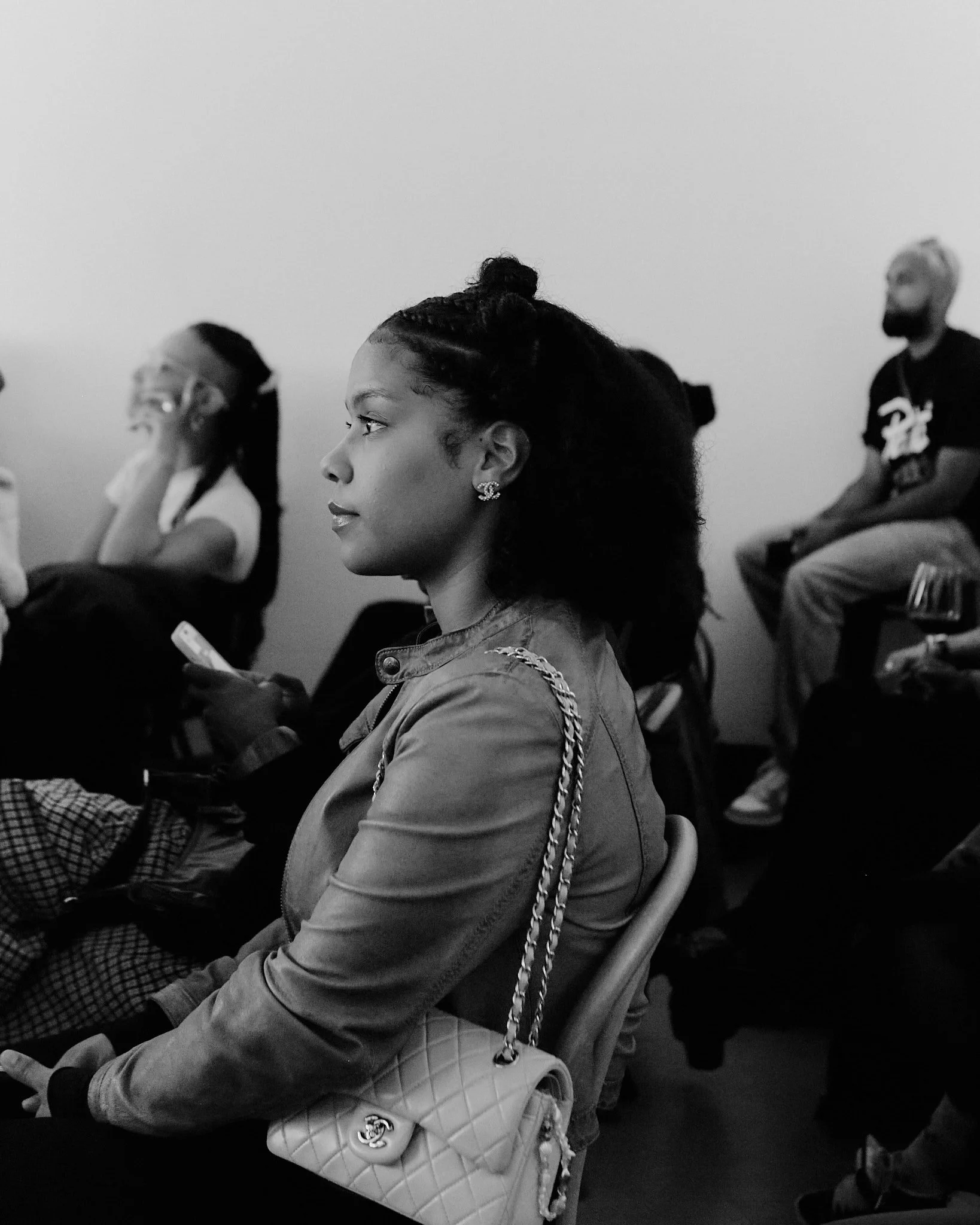
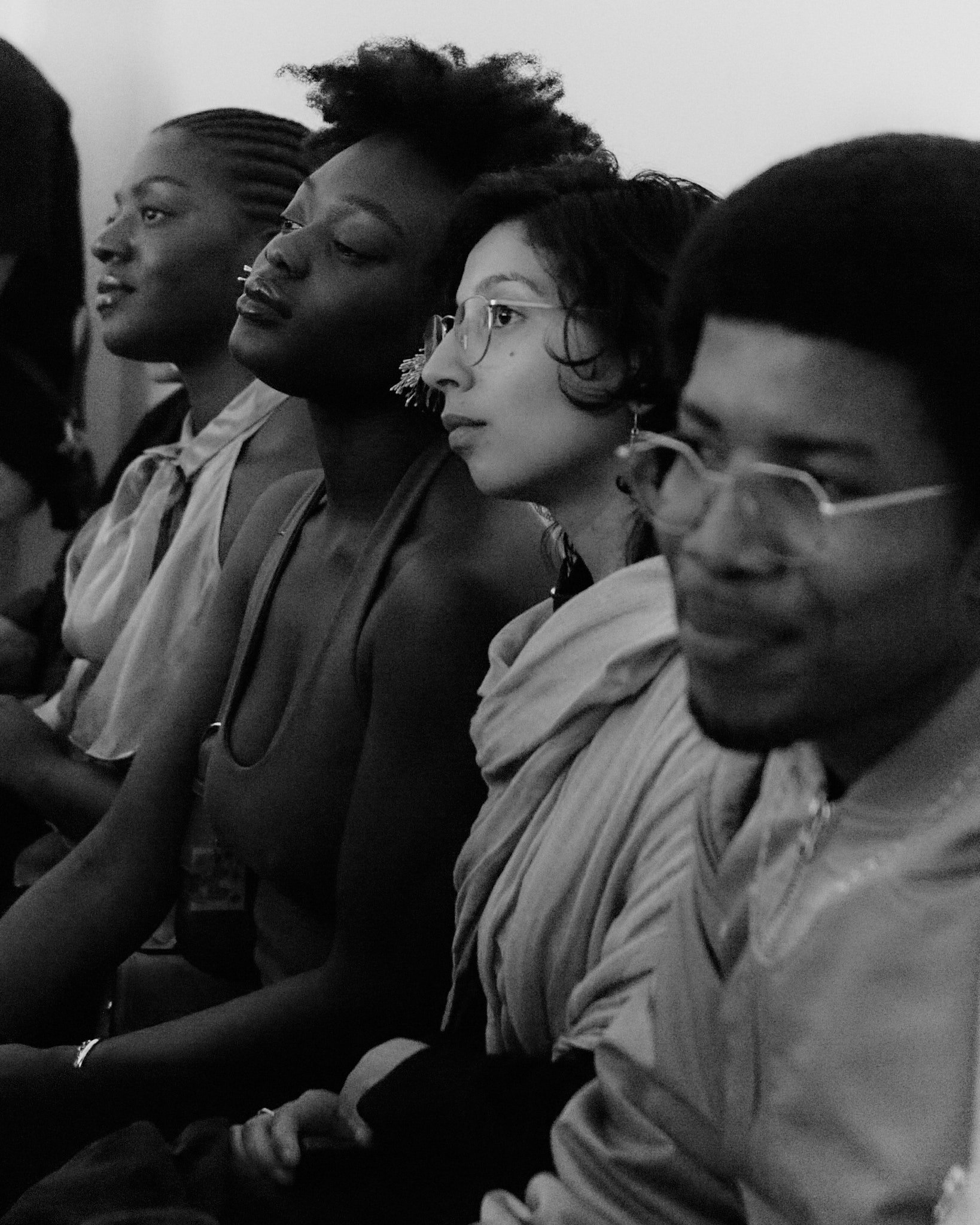
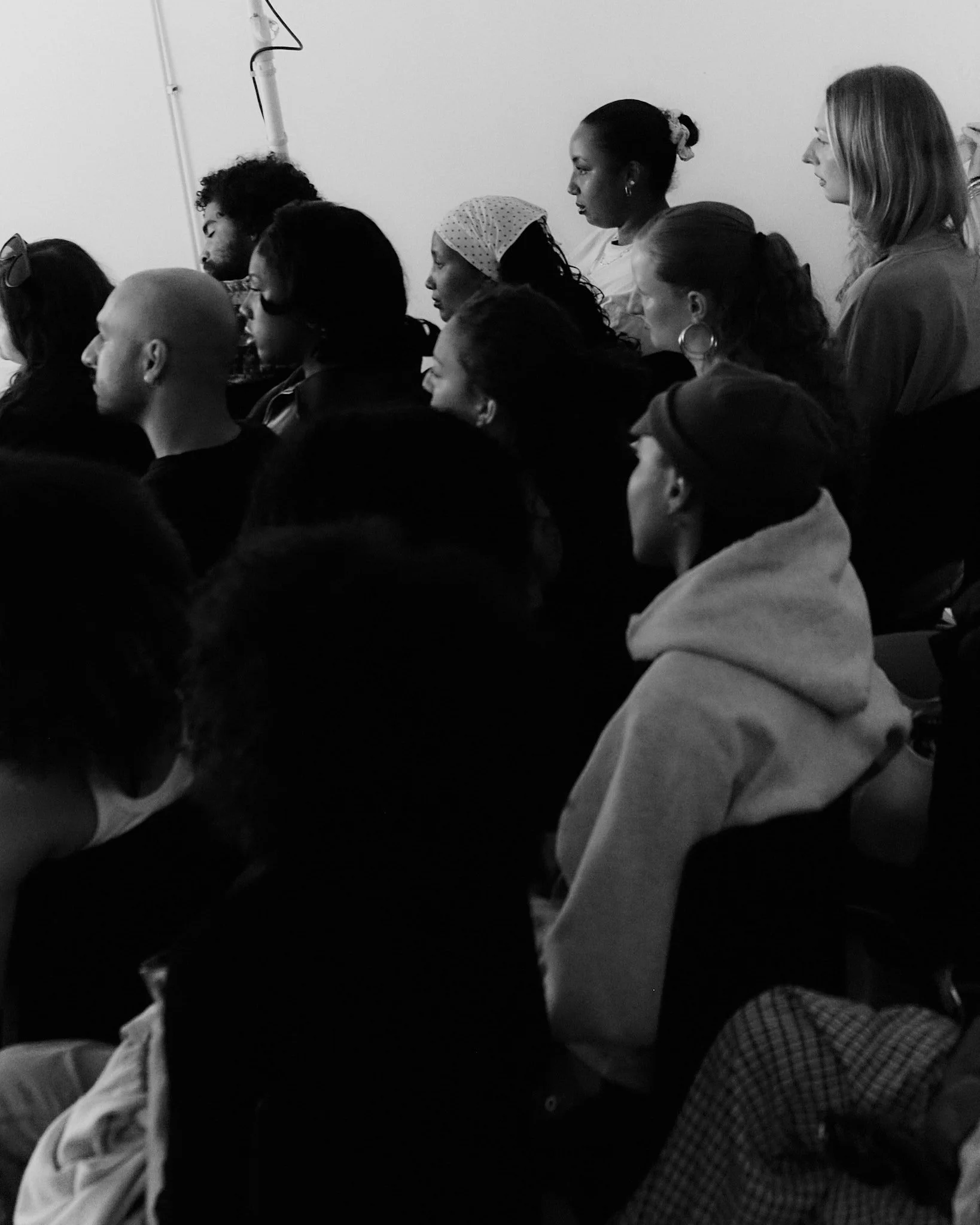
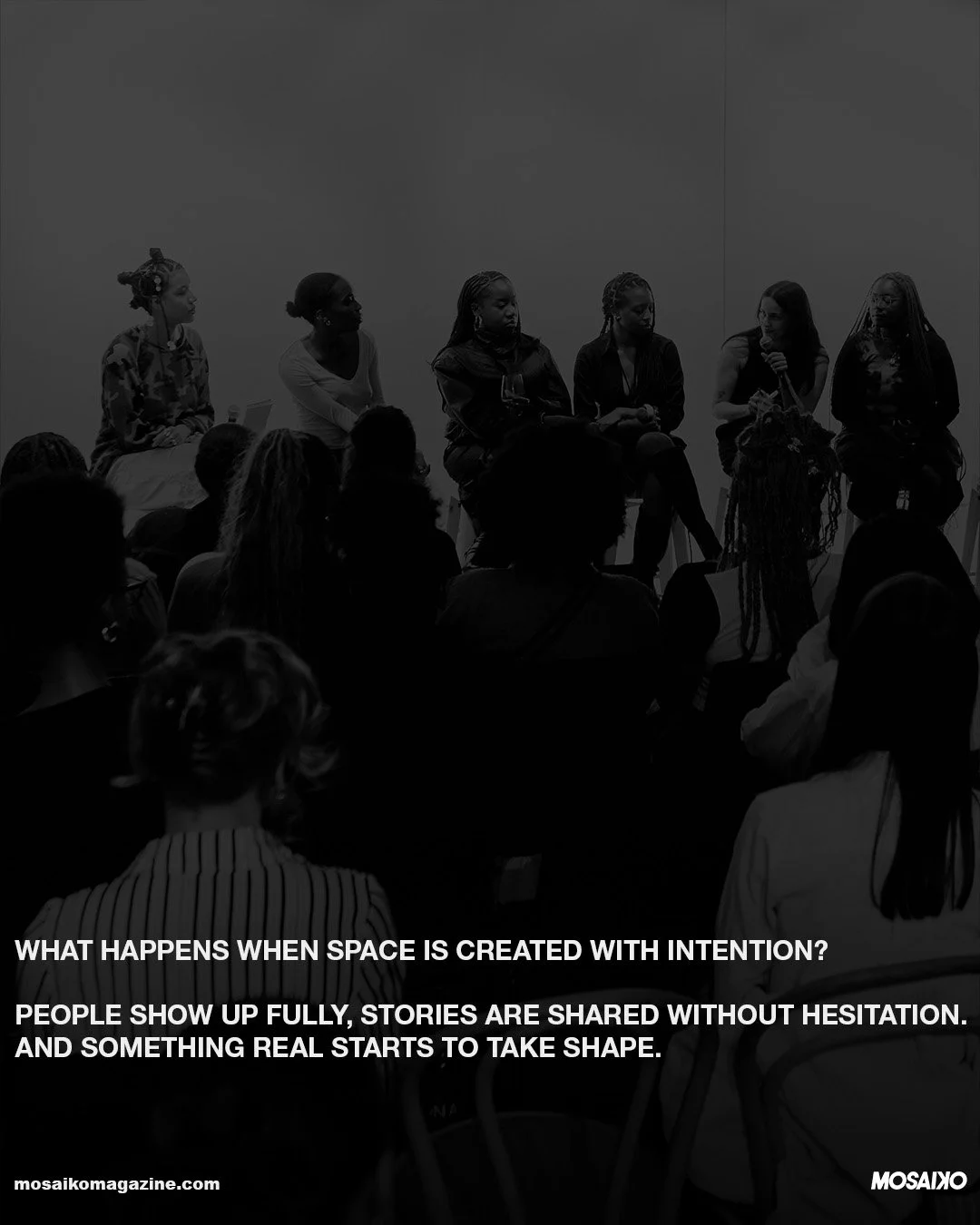
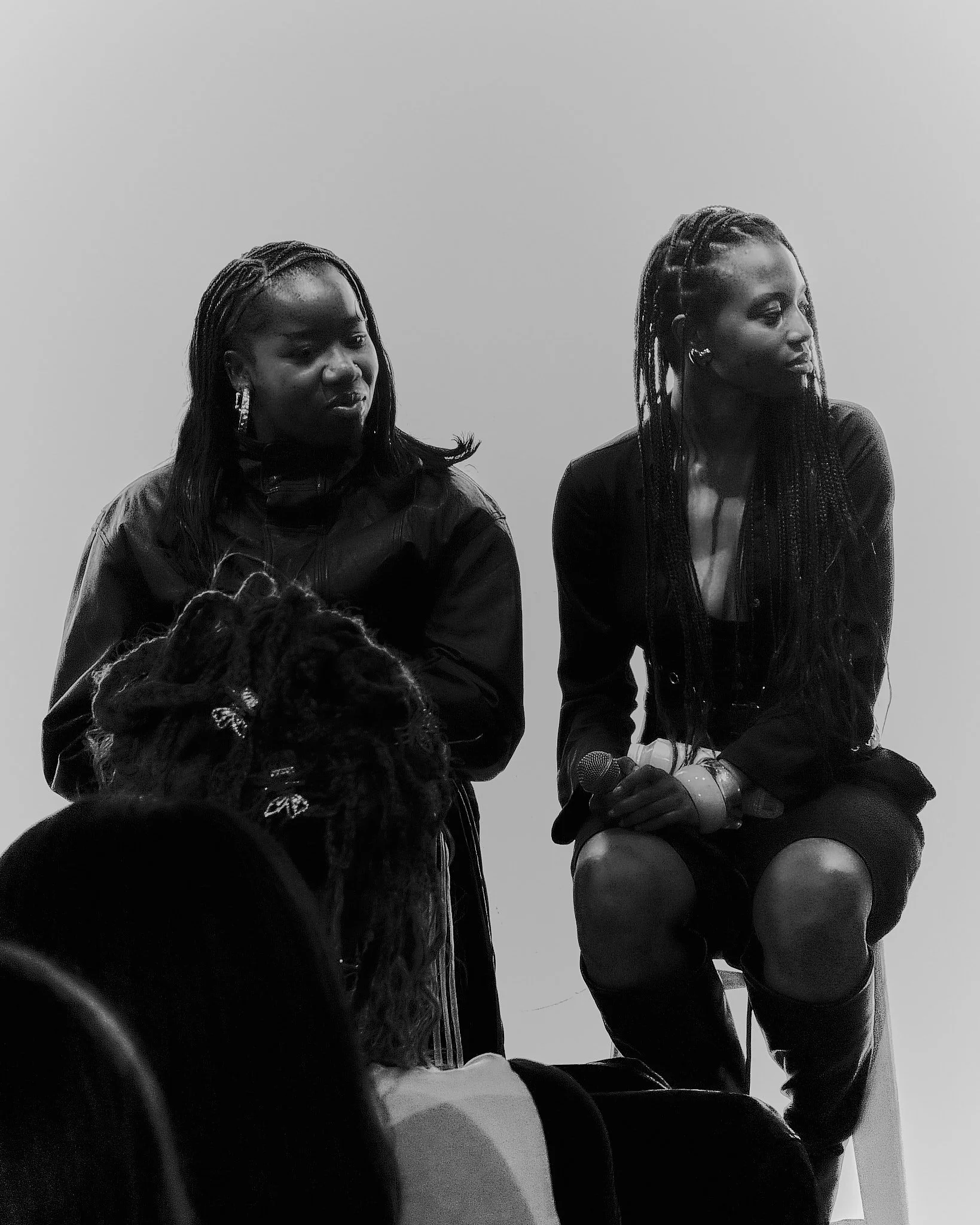
It's really hard. I often have difficulty with it because the more I grow in my career, the more I get access to clout, and I'm in spaces dominated by men who see and want access to your talent. But then there’s a lot of disrespect happening on that journey. I’ve never been prone to rolling over and letting people walk all over me, so I do fight for myself.
But sometimes when you fight for yourself, especially if you’re a Black woman, you’re seen as combative or emotional. It’s about trying to find the balance between standing up for yourself and not wanting to come off in a way that isn’t indicative of who you are as a person. That also means having people in your corner who will actually fight for you, whether that’s a production company, an agency or a manager. A lot of the time, when people are playing in your face, your production company will be like, actually, no.
All in all, there’s a balance to be found, and it’s tricky. I know that this is bigger than me, so I feel like I have to keep going because there are so many women who want to occupy the space who don’t know what that looks like. So I feel like I have a duty to make it work.
Would you see yourself going back to a production company at this stage in your career?
Yes, but I wouldn't go to a big one. The first production company that I got signed to was one of the biggest in the world, and I was still a baby director. What happens is you just end up on a roster with a bunch of big directors, and you kind of get lost in it.
If I were to get signed again, it would have to be a scenario where they’re properly nurturing me, properly fighting in my corner, and really putting me up for those jobs that will take my career to the next level. Or a more boutique production company where there are minimal directors, and I feel like I'm getting the time, love and care that I need at this stage.
In terms of the industry, what changes would you like to see to make it a more level playing field that's open and fair game?
I would like specifically brands and clients to be more open. What I mean by that is everyone talks about championing new talent, but then we're seeing the same five men being recycled on all these jobs – and a lot of them don't need them. Many of them have been at it for years, have had their money and stability established. I just want to see more women in these spaces.
Something else is that if you’re making work from a Black female lens, you get put in a certain box where they’ll just put you on Black briefs that are coming in. Like, yes, I’m making work from that specific lens because it’s my experience, but I also want to tell other stories. My work is so much more nuanced than that. I love Radiohead, but I wouldn’t stereotypically be put on a brief for that. I just wish for more open-mindedness across the board.
Beyond the Black female experience you pour from, how much of your personal story and your Nigerian heritage informs your lens?
All of the cultures I've been brought up in have influenced the way I see the world, which I'm so grateful for because it's given me such a wide perspective. Much of the work I've made personally comes from my own experiences. Words We Don't Say was inspired by my own relationship with my father as well as conversations I've had with female friends about their relationships with their own dads.
A lot of us have experienced a similar scenario of our fathers being immigrants coming to the UK or the States and struggling to navigate the systems here. That fed into how present or not present they were in our lives, which rendered us frustrated and made our relationships with them really tough to navigate.
But then I thought, okay, what would it have been like to also empathise with them? They came in with a lot of their own kind of struggles, which is why the film is narrated from the father's perspective. On the flipside, I didn't want to erase the daughter's perspective either. I decided to explore her side of the story through dance. That film really did its big one and resonated with so many people. I made it in 2022, and it’s still being screened to this day.
That’s beautiful because it means there's longevity in it, right?
Definitely, and it’s also a reflection of how your work doesn’t just need to live online. Seeing people resonate with your work in the physical is so important, whether it’s at an art gallery, a screening or a talk. It’s super significant because it almost gives it a new life every single time.
You’ve shared how your work pulls from personal experiences. The themes it covers, from love and heartbreak to trauma and friendship, all feel like a universal yet deeply personal archive of the human experience. Is there something in particular you want your work to evoke among audiences?
When I make something, it’s never with the intention of wanting people to feel something that’s predetermined. I just hope that it resonates in some way, and I’m more so using it as an outlet to express a personal experience. Whatever happens afterwards is a blessing, it’s not up to me. The work is no longer mine. I think if you make work that’s honest and true, it will be received by people one way or another.
You’ve directed videos for the likes of Brent Fayaz, Ayra Starr, Louis Culture and Tora-I, to name a few. How does your creative process differ when you work with musical talent versus when you shoot your own projects?
With musical talent, you have less freedom because music artists have fans and an idea of how they want to look and present themselves. Oftentimes, the music video is part of a specific rollout. The time constraints are a lot tighter and stricter. You can have a vision as to how you want to tell a story, but then they'll have a very different vision as to how they see that story take shape. Most of the time, this is influenced by how they want to look, which can be tricky.
I come from such a narrative-centric background, which is so integral to how I direct, that if narrative beats are removed from the work, it can be quite difficult for me to feel. That just makes it a more difficult process for me. But at the end of the day, it's not mine. If I'm working with a musician, this is their body of work, and I’m the facilitator for that. That’s where I have to get my emotions out of it. When I'm working on a personal project, I can play, I can do what I like.
Is there a dream project, collaboration or other vision that you'd like to bring to life?
There are definitely two. For one, I want to work with Kendrick Lamar or Doechii. I really want to explore more movement in my work, whether it be dance or other forms of it. With Doechii specifically, I remember seeing one of her first music videos directed by C. Prinz, who’s an amazing director. This specific video is incredible. The raw female energy and how it explored anger, an emotion that women are so demonised for embodying, despite it being incredibly valid, was amazing. Kendrick is obviously the GOAT, so that’s self-explanatory. Then I’d also love to make my first feature film. Music videos and commercials are nice, but I want to be in film and TV, that’s my long-term vision.
What's next for you this year? Is there anything you can or want to tease?
I'm writing my feature film, but I want to make another short film before I do my feature. Those are two ideas I’m currently working on. I also aim to do more branded work and fashion films, but the fashion industry is a little bit more gate-kept and tougher to navigate. I'll figure it out, I always do.
