

MIRCHI IS DOING IT RIGHT, THE BOTTLE THAT ALWAYS SHOWS UP WHERE IT MATTERS

Mirchi isn’t just another bottle you see on a shelf and forget about. It’s one of those things where once you clock it, you start seeing it everywhere, and it makes sense.
It’s a spiced rum, yeah. But that’s almost underselling it.
The whole thing comes from this mix of West African and South Asian culture. Not in a forced “fusion” way, but in a this is how we actually grew up way. Food, music, energy, stories… all of that living in the same space. Mirchi is basically that feeling, bottled.
The name literally means “spice,” but it’s deeper than flavour. It’s about adding your thing into the mix and not watering it down. Everyone brings something, and somehow it works better together.
And how is it?
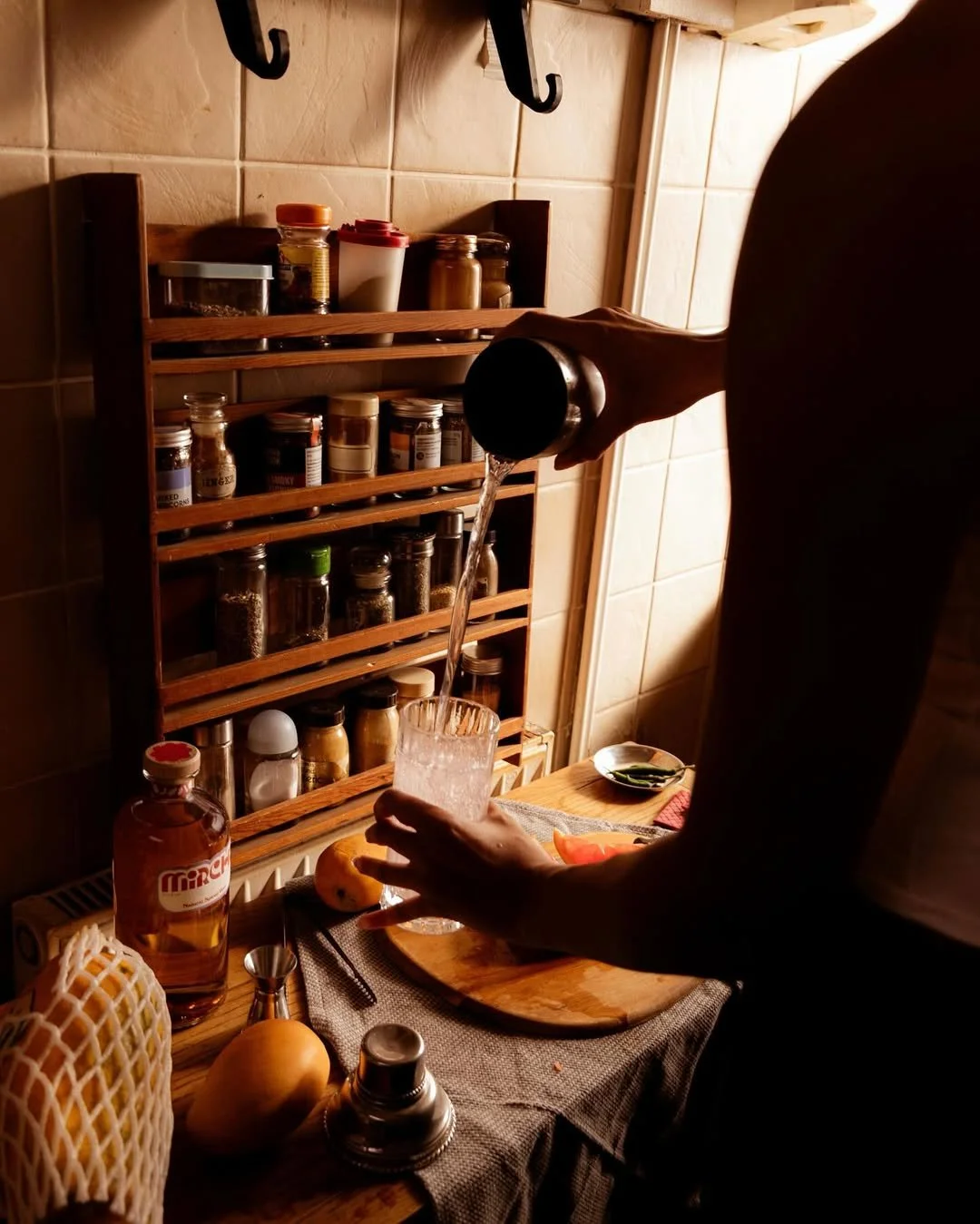
Well, you’ve got rum from Ghana and Barbados, hit with this spice blend: baobab, tamarind, jaggery, pistachio, date, cacao, then rested in ex-bourbon casks. It’s vibrant, ripe, and juicy. Doesn’t feel try-hard.
Mirchi tastes just like home.
But here’s why people actually mess with it:
It’s not really about the drink.
Mirchi moves like a cultural thing first. You’ll see it around music, food spots, events, and creative spaces. It’s the kind of brand that puts you onto other stuff: places, people, ideas. Even if you’re not drinking like that, you’re still tapping in.
That’s rare.



Most brands are like “buy this, live like this.”
Mirchi’s more like “you’re already living, this just fits.”
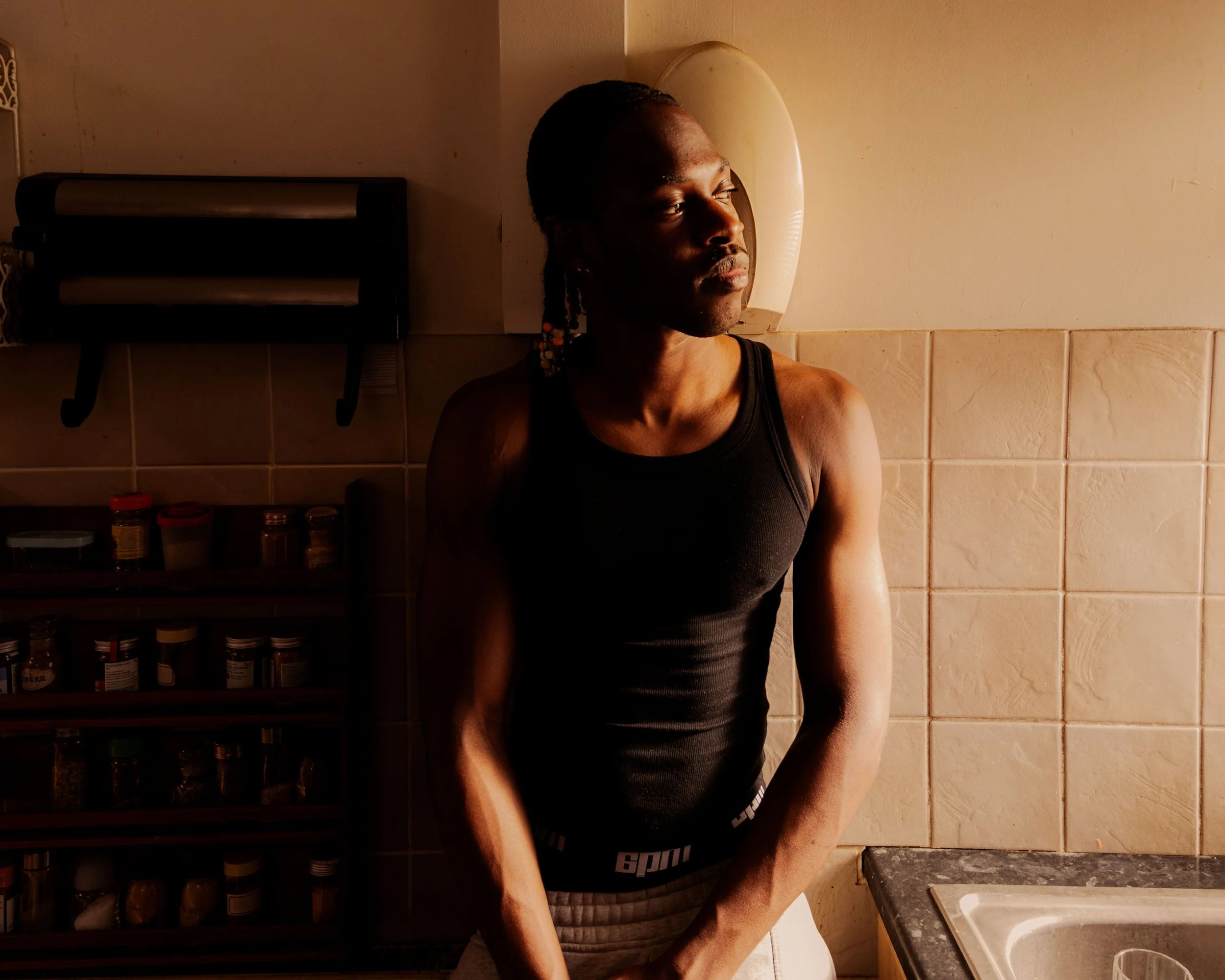
It’s for people who are already outside, already curious, already mixing worlds without overthinking it. The ones who care about where things come from, but also where they’re going.
So yeah…
Next time you see Mirchi on a table, don’t overthink it.
Just know you’re probably in the right place.
