

ANDRÉ LEON TALLEY
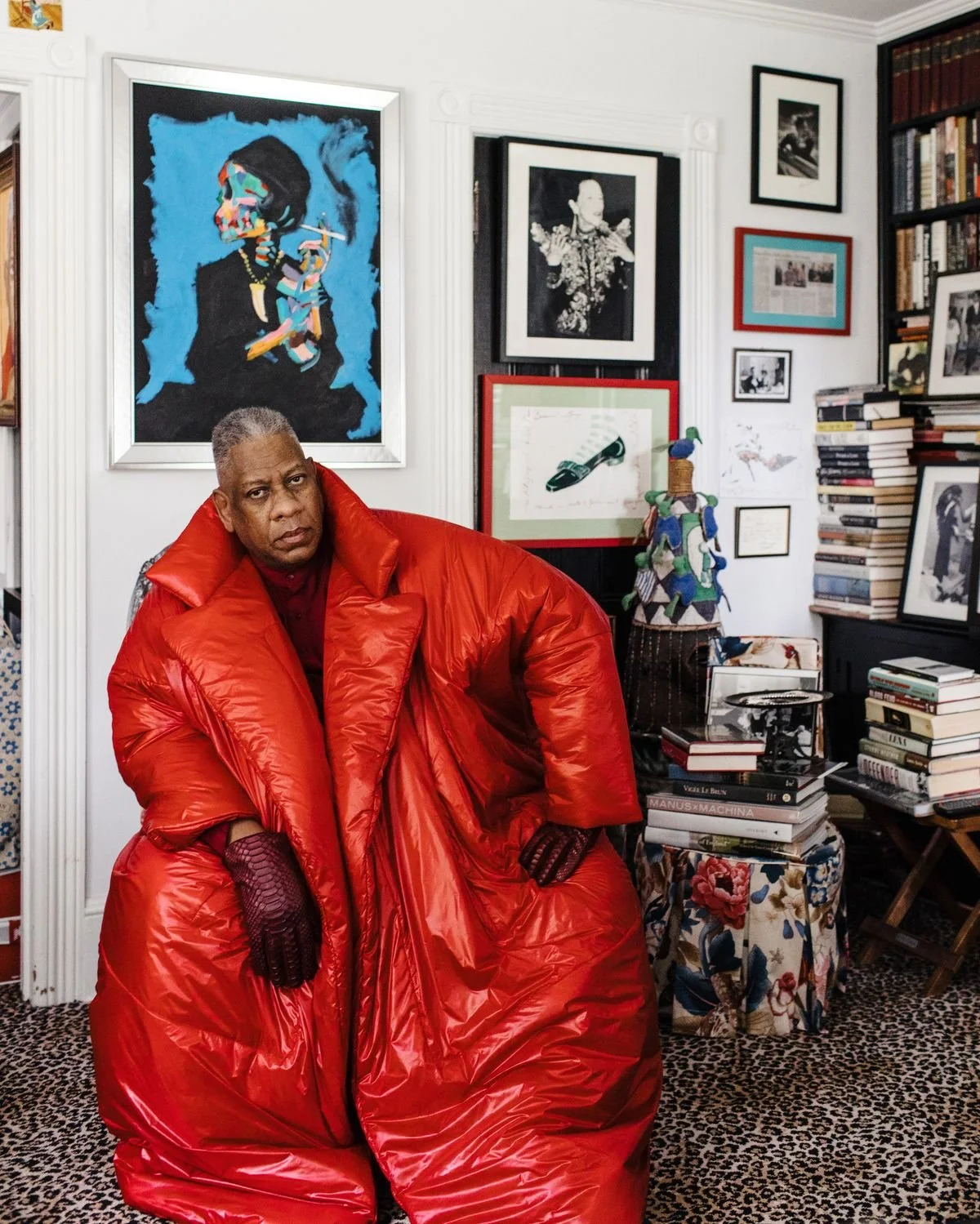
Before fashion became an endless stream of images on our phones, before everyone had access to the archives, the runway shows, the references, and the history, there were people who carried that knowledge.
André Leon Talley was one of them.
To describe him simply as a former Vogue editor doesn't really explain who he was. Talley was a journalist, editor, stylist, cultural figure, mentor, fashion historian and, perhaps most importantly, a force for visibility.
He was also impossible to miss.
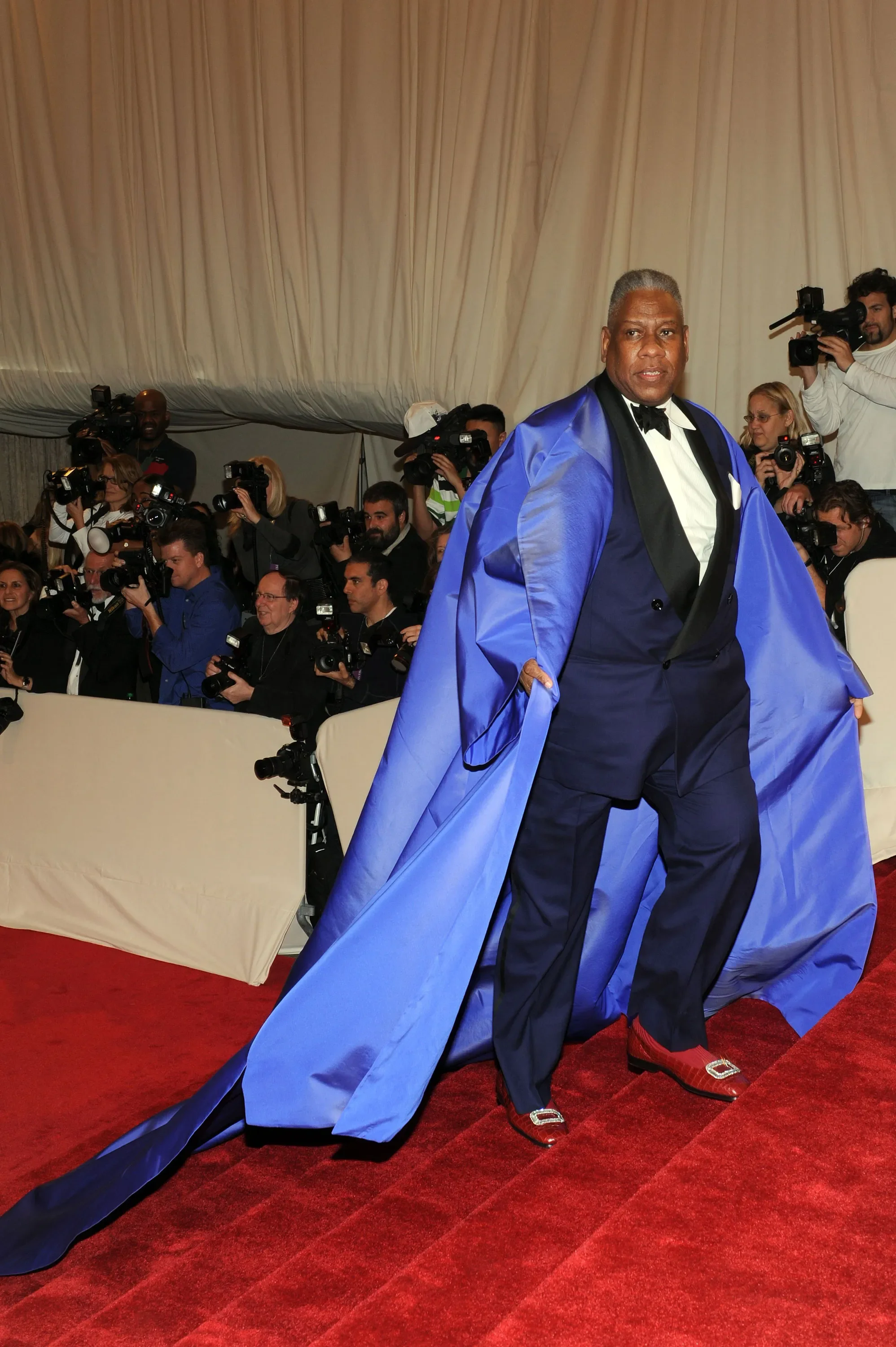
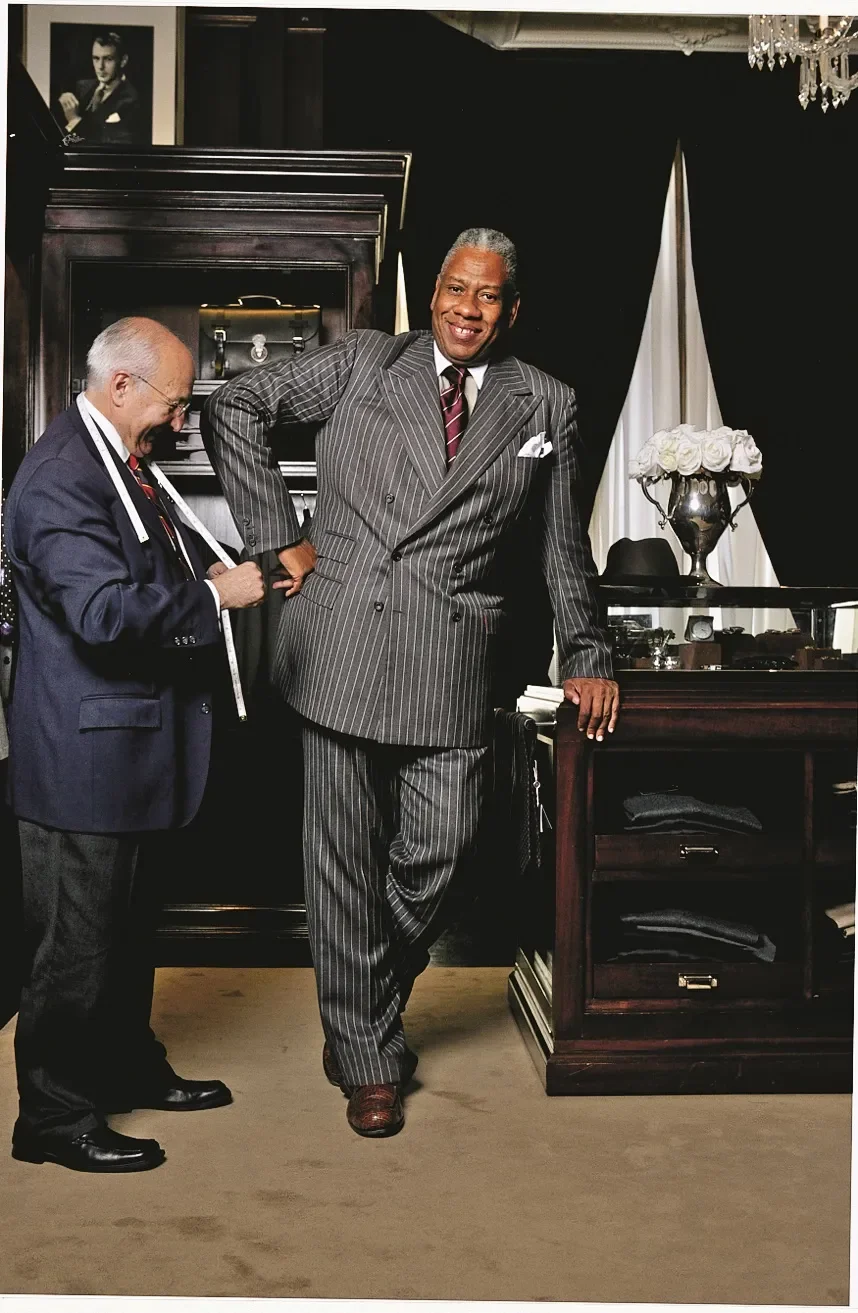
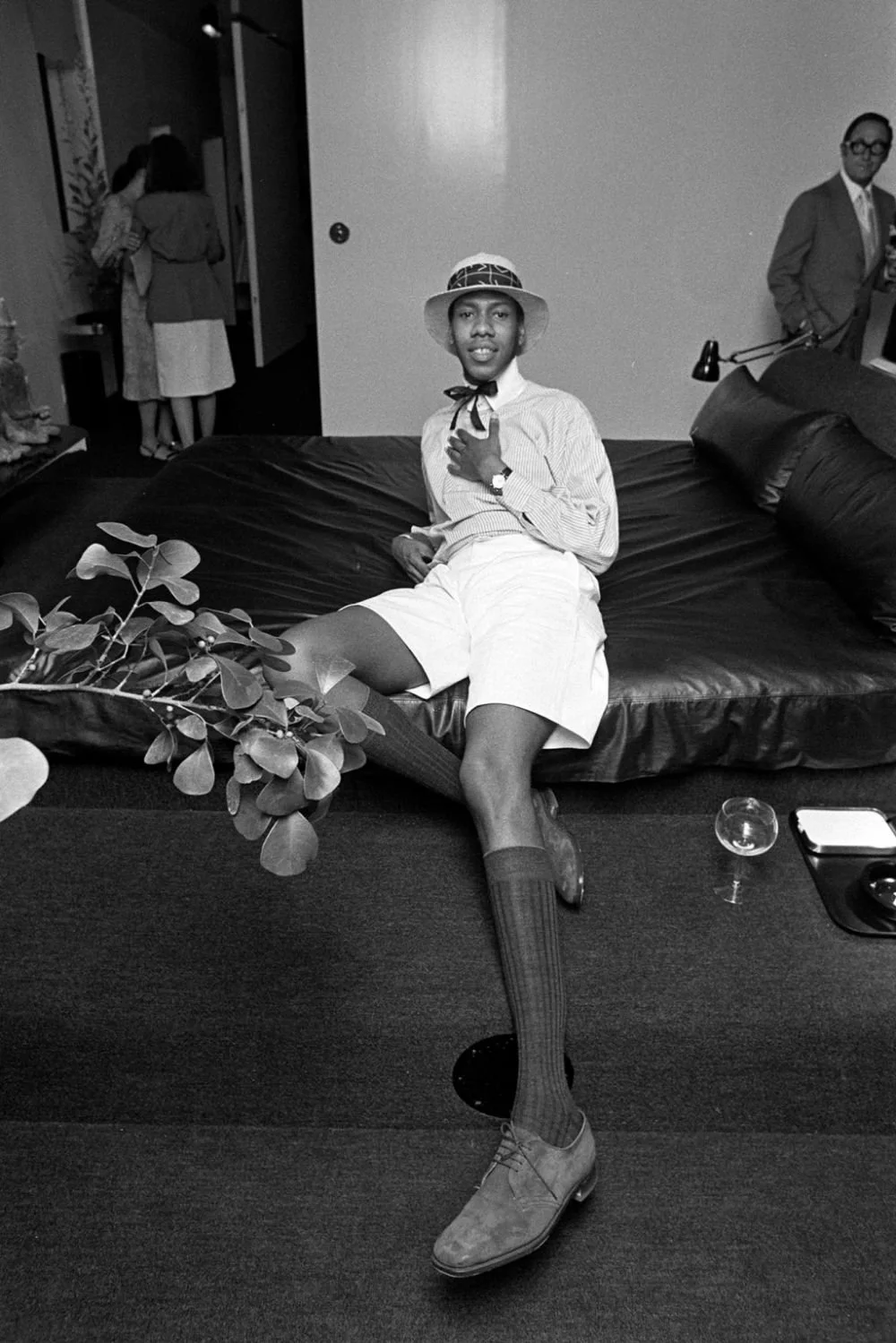
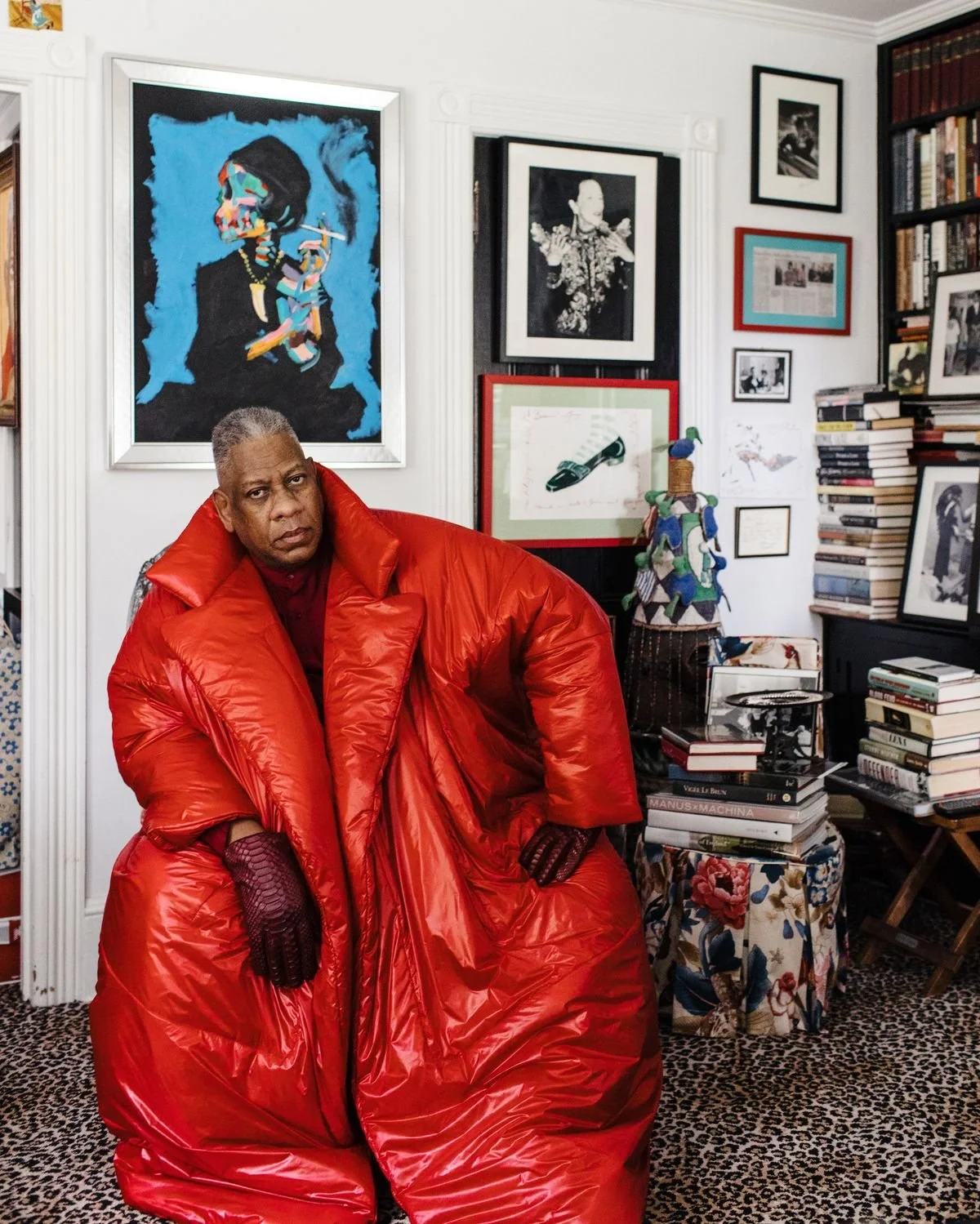
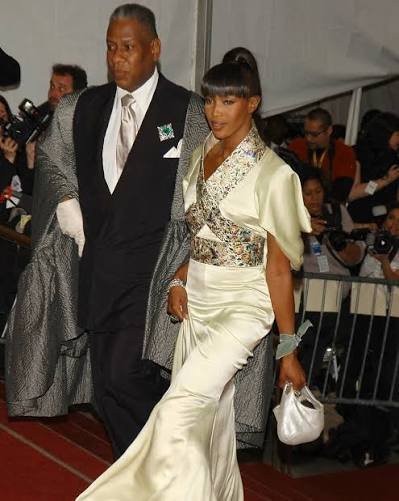
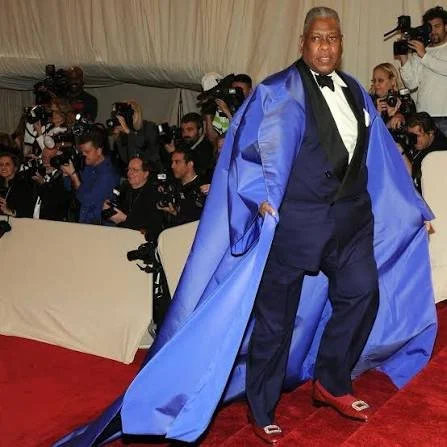
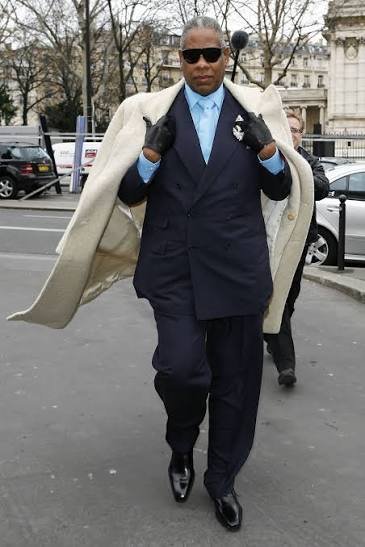
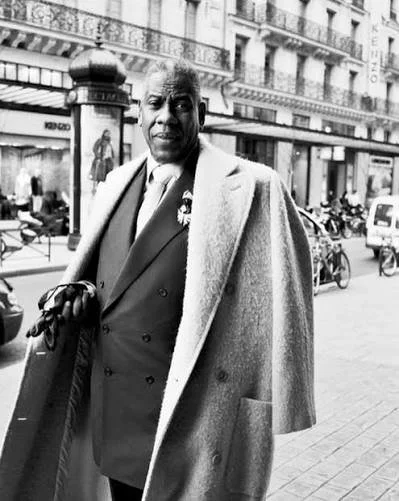
standing over six feet tall and often dressed in dramatic capes, caftans, bespoke suits, and couture, Talley had a presence that matched his personality. he didn't enter fashion quietly. he arrived with opinions, knowledge, humor, and a point of view.
but behind the glamour was something much more serious.
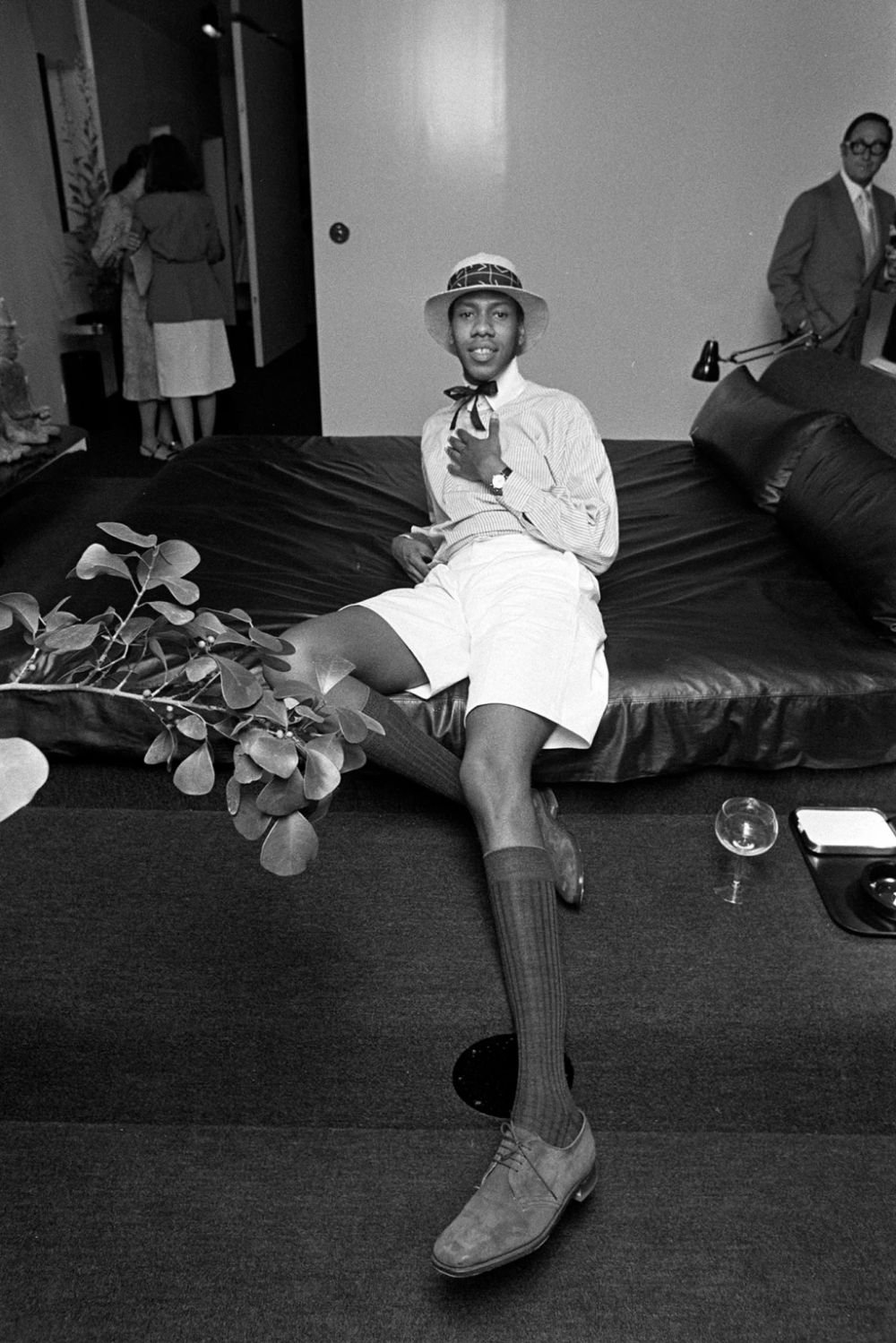
A black boy from North Carolina enters fashion
Talley was born in 1948 and raised by his grandmother in Durham, North Carolina, during the era of Jim Crow. This was an America where racial segregation was not simply a social reality across the South; it was enforced by law. black and white people could be separated in schools, restaurants, public facilities, and transportation. black americans faced systematic discrimination and intimidation, while voting rights and access to education, housing, and employment were heavily restricted.
Talley grew up in Durham, North Carolina, in the shadow of that system.
He was six years old when the Supreme Court ruled in Brown v. Board of Education that racial segregation in public schools was unconstitutional. but a court ruling did not suddenly transform everyday life. Desegregation was slow, contested, and often violently resisted.
This was the world in which Talley was becoming himself, and it is important because fashion, for him, was never completely separate from race.
As a young black boy, he was constantly being shown the boundaries of where he was supposed to belong. Fashion magazines showed him another world.
In the pages of Vogue, he saw Paris, couture, palaces, designers, artists, and society figures. he saw elegance presented as something almost limitless, and he became fascinated.
He wanted to understand this world; he studied the photographs. He memorized designers' names, absorbed the language.
The irony was that the world he was looking at through those pages had historically left very little room for someone like him. So he imagined himself inside it before he actually was.
And that imagination became important.
Because Talley didn't grow up believing that fashion was something he was entitled to.
He grew up learning that many of the spaces surrounding power were not designed for black people.
And then he spent his life entering those spaces anyway.
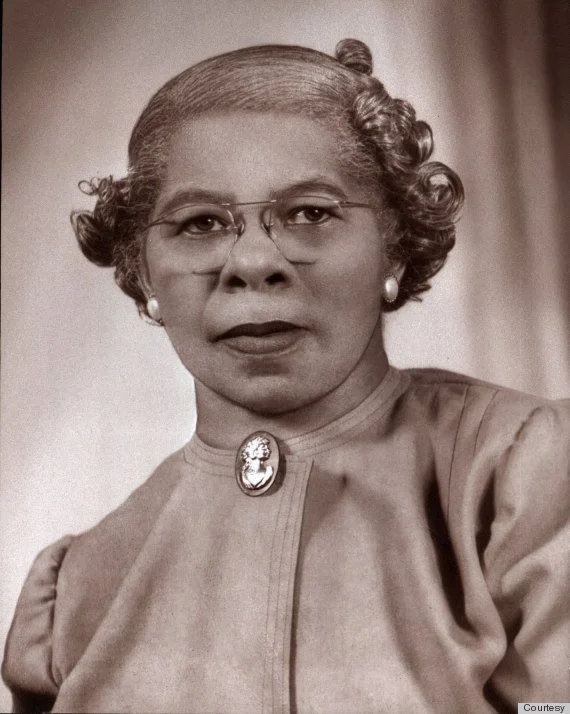
His grandmother, Bennie Frances Davis, was an enormous influence on his life. She worked at Duke University, and through that environment talley developed an early fascination with fashion and culture. She was religious, disciplined, and deeply concerned with presentation. Sunday meant church, and church meant dressing properly. Tally grew up watching black women put themselves together with care: hats, gloves, beautiful clothes, perfectly arranged hair.
He later credited his grandmother with giving him his first understanding of luxury.
That idea is important because luxury, for Tally, was never simply about expensive things.
It was about care; it was about how you presented yourself to the world.
His grandmother did not live in the world of Parisian couture, but she understood something about ceremony and beauty that would stay with him for the rest of his life.
He would later write about his grandmother as one of the people who taught him the importance of discipline, presentation, faith, and dignity.
He also often spoke about aristocracy in a way that had little to do with money. To him, being aristocratic was about how you carried yourself, your manners, your knowledge, your taste, your curiosity, and your sense of self. You didn't have to be born into wealth to possess those things.
He eventually studied French literature at Brown University.
Fashion wasn't necessarily an obvious career path for a young black man from the American South.
But Talley was drawn to it, and not just to the clothes. He was fascinated by the history behind them, the designers, the craftsmanship, the people, the cultural references, and the worlds that fashion created.
That obsession eventually brought him to New York.
Learning from Diana Vreeland
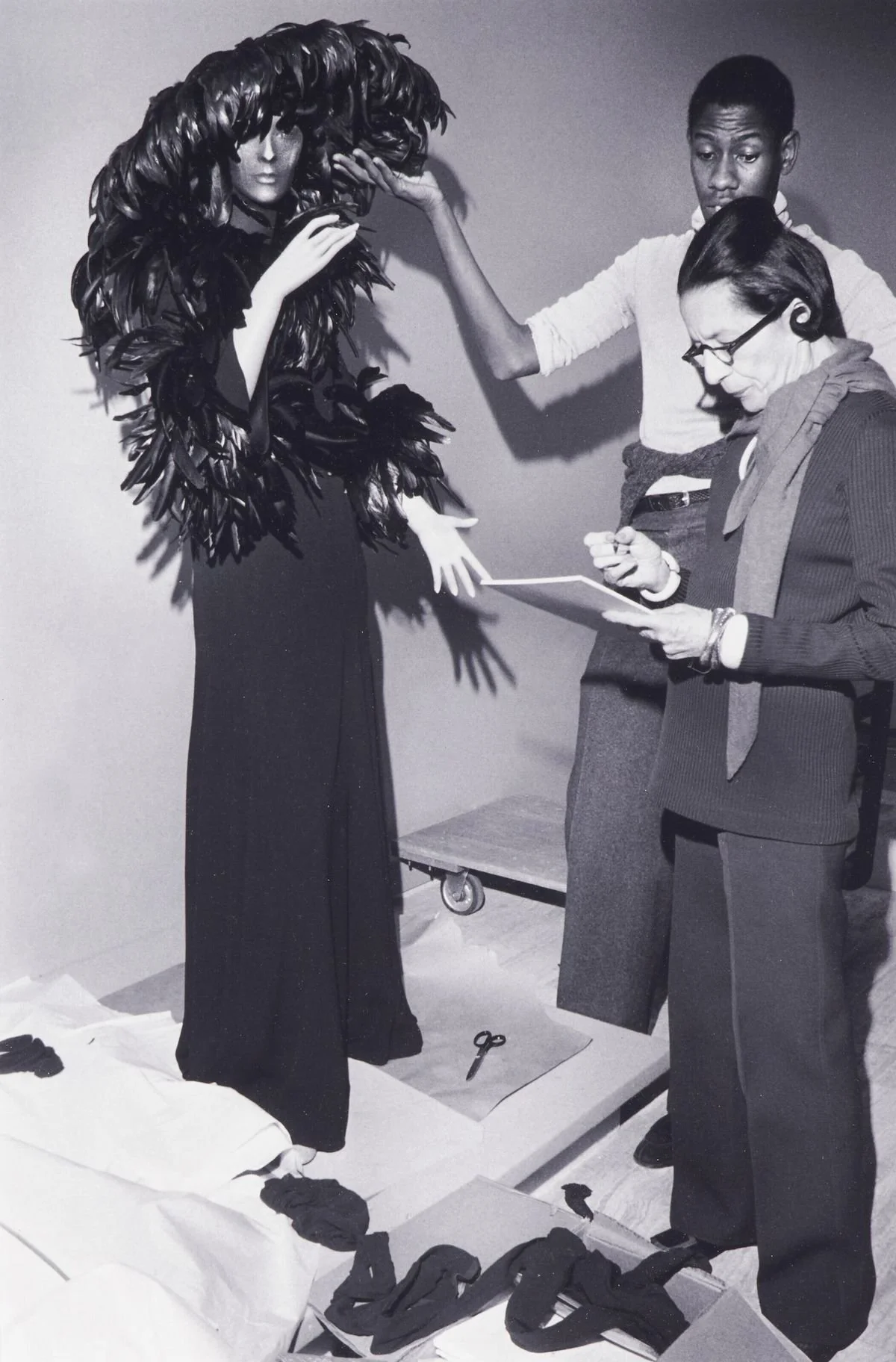
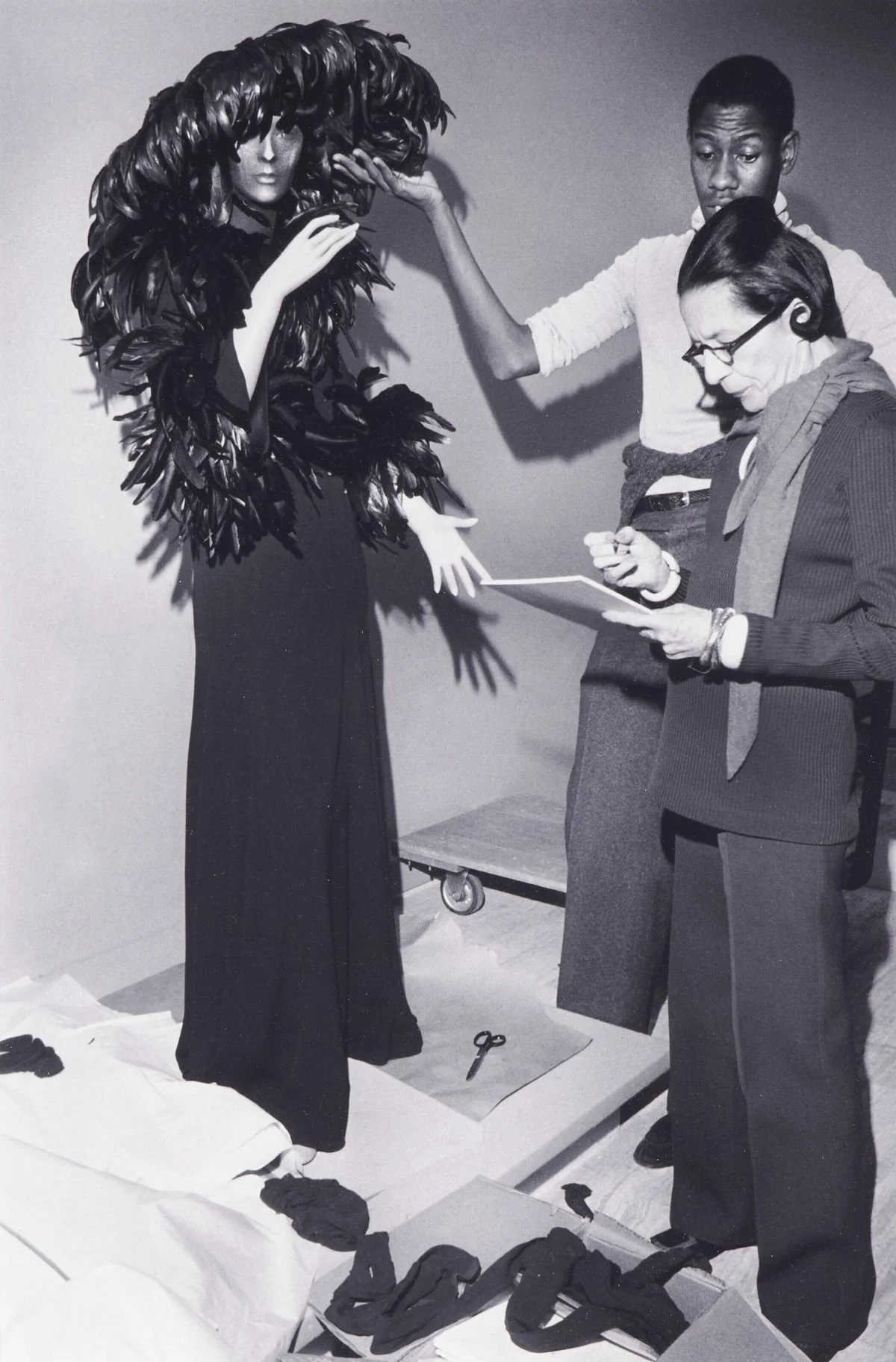
One of the most important early chapters of Talley's career began at the Metropolitan Museum of Art's Costume Institute, where he worked as an unpaid assistant to the legendary Diana Vreeland.
Vreeland had previously been editor-in-chief of Vogue and had transformed fashion editing into something closer to cultural storytelling. Working alongside her gave Talley an education that went far beyond clothing.
He learned how to build a world around fashion.
He learned that an exhibition, a photograph, a garment, or a person could tell a much bigger story.
That way of thinking stayed with him for the rest of his career.
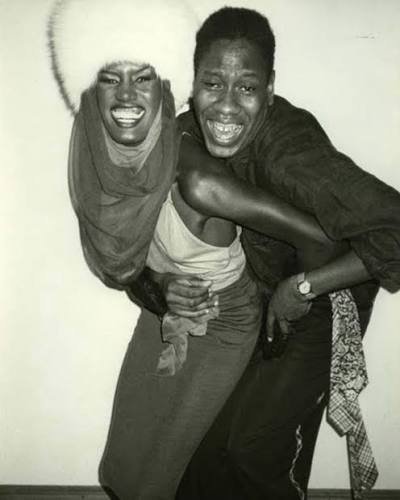
From there, he moved through some of the most important cultural spaces of New York fashion, including Andy Warhol's Factory, Interview magazine, Women's Wear Daily, and eventually The New York Times.
He wasn't simply watching fashion happen.
He was becoming one of the people shaping how fashion was understood.
Vogue and the power of being in the room
In 1983, Talley joined Vogue, and over the following decades, he became one of the magazine's most recognizable and influential figures, eventually becoming its fashion news director and, in 1988, its first black male creative director.
This is where his story becomes particularly important, because being inside Vogue meant being inside one of the most powerful rooms in fashion.
What appeared in those pages mattered.
Which designers were photographed mattered.
Which models were booked mattered.
Which stories were told mattered.
And Talley understood the power of that.
He consistently advocated for black models, designers, and creatives, pushing for them to receive visibility in an industry where access had historically been limited. He didn't just talk about representation from the outside; he fought for it from inside one of fashion's most influential institutions, and that distinction matters.
Talley had access to a world that wasn't built with people like him in mind.
And once he got inside, he didn't forget who was still standing outside.
He knew everybody, but that's not the point
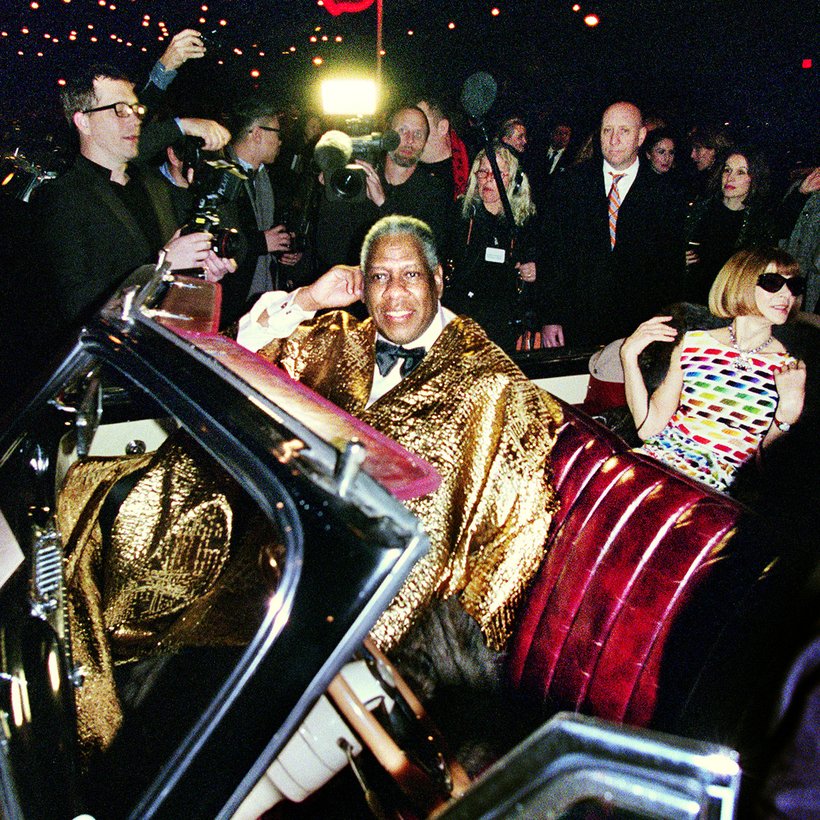
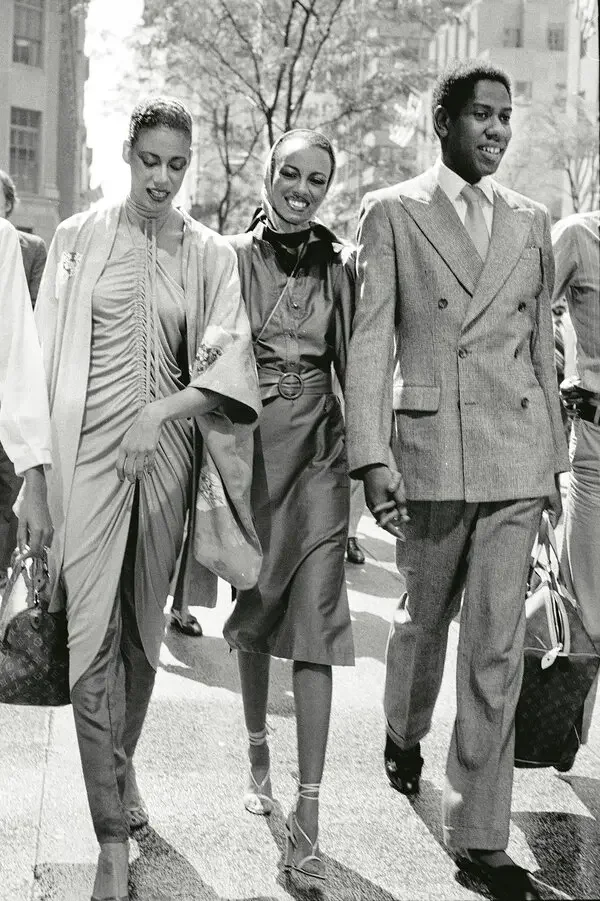
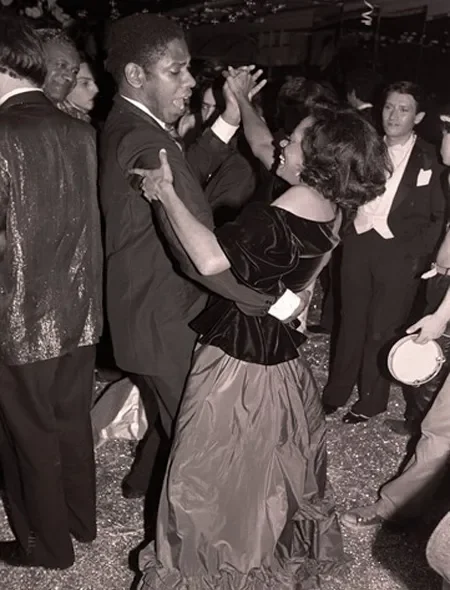
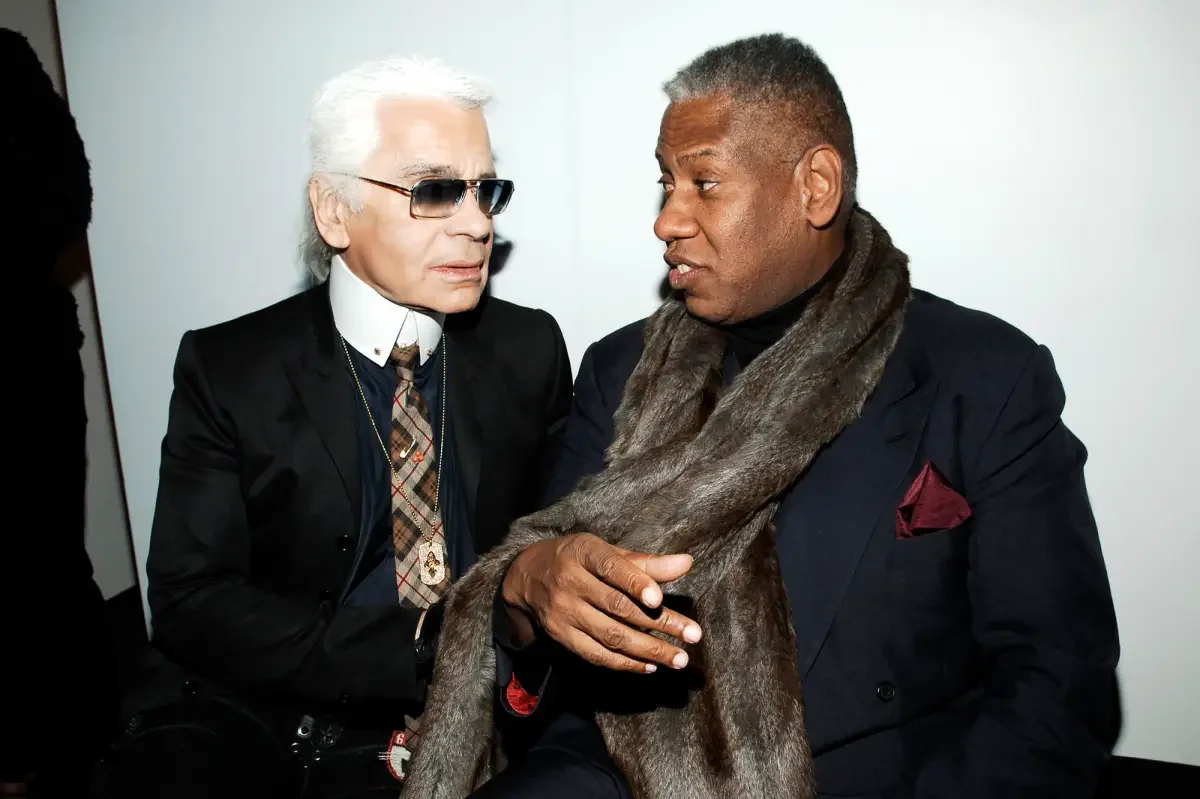
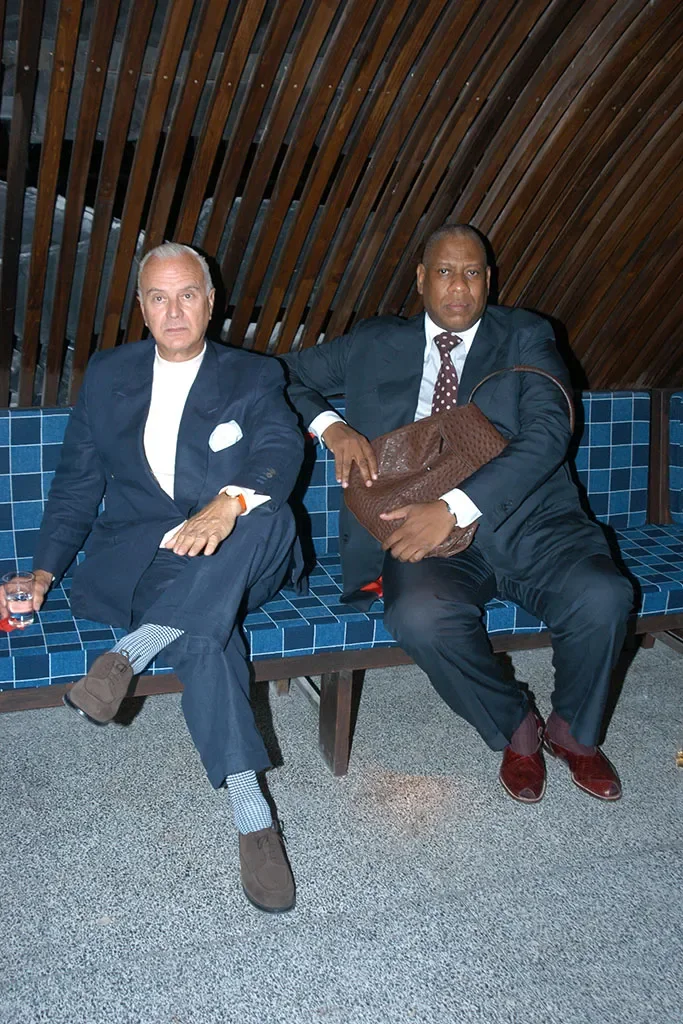
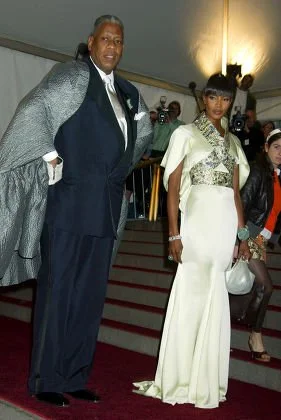
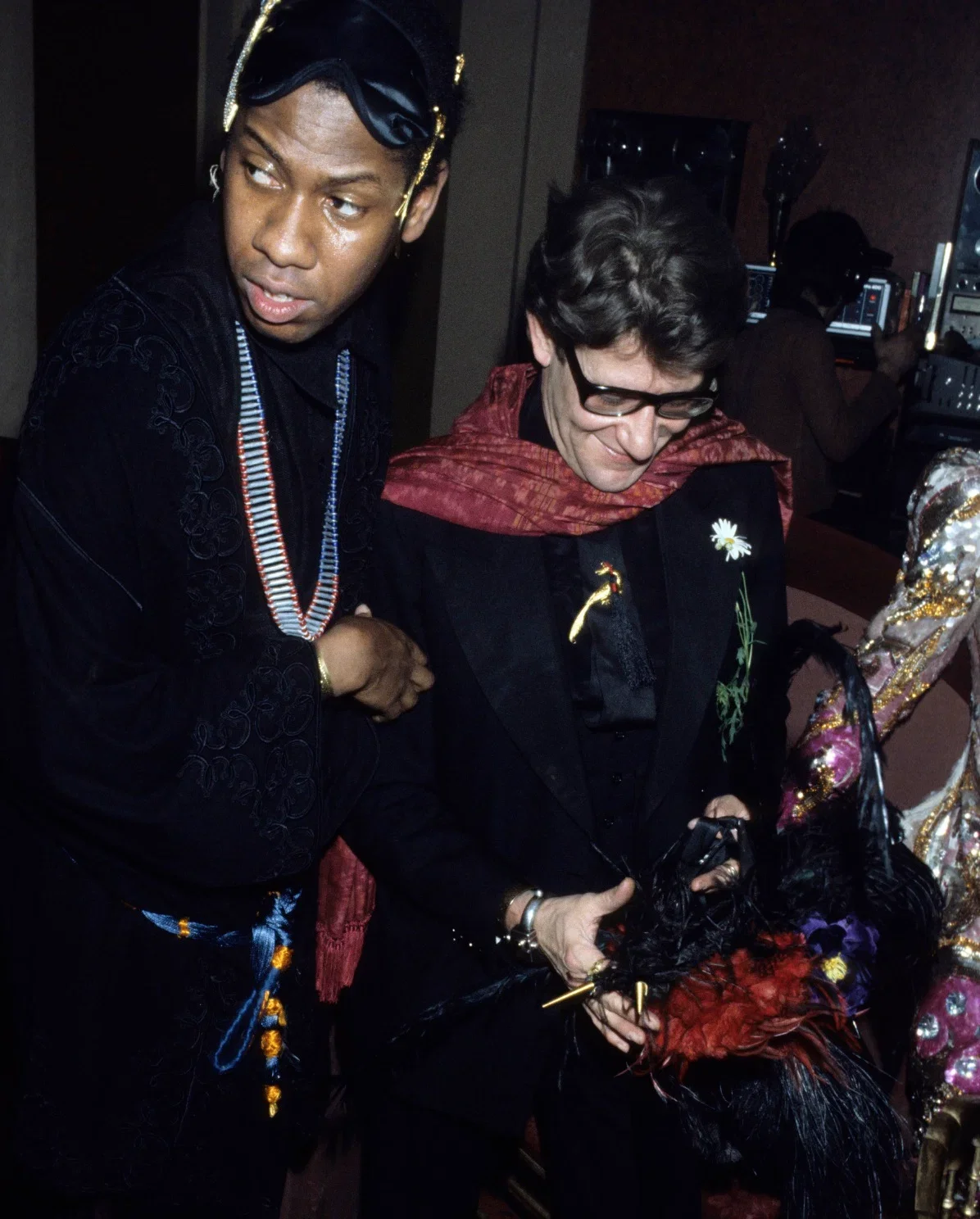
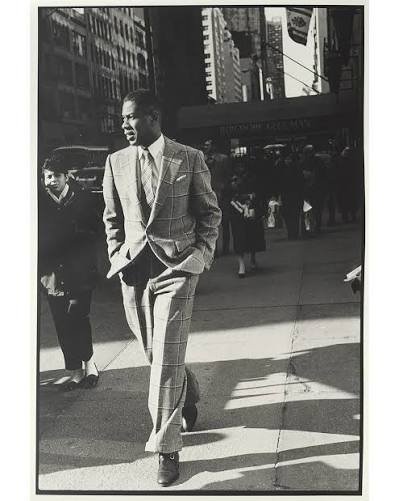
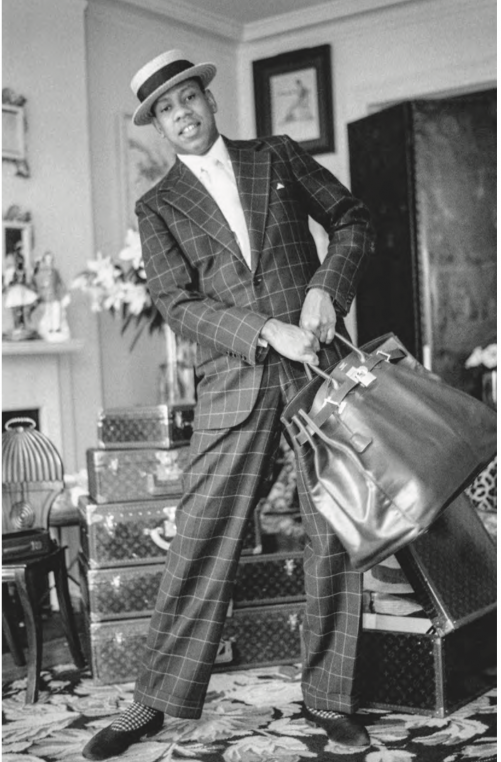
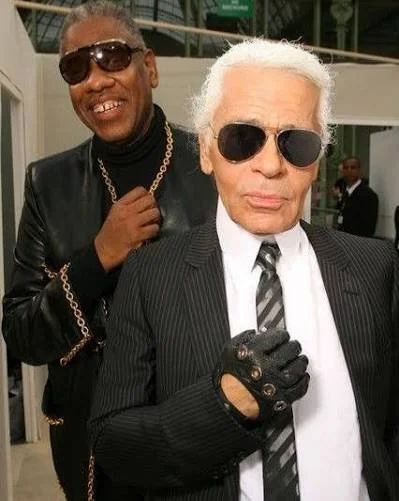
Talley's photographs from this period can sometimes make his life look like one endless fashion fantasy.
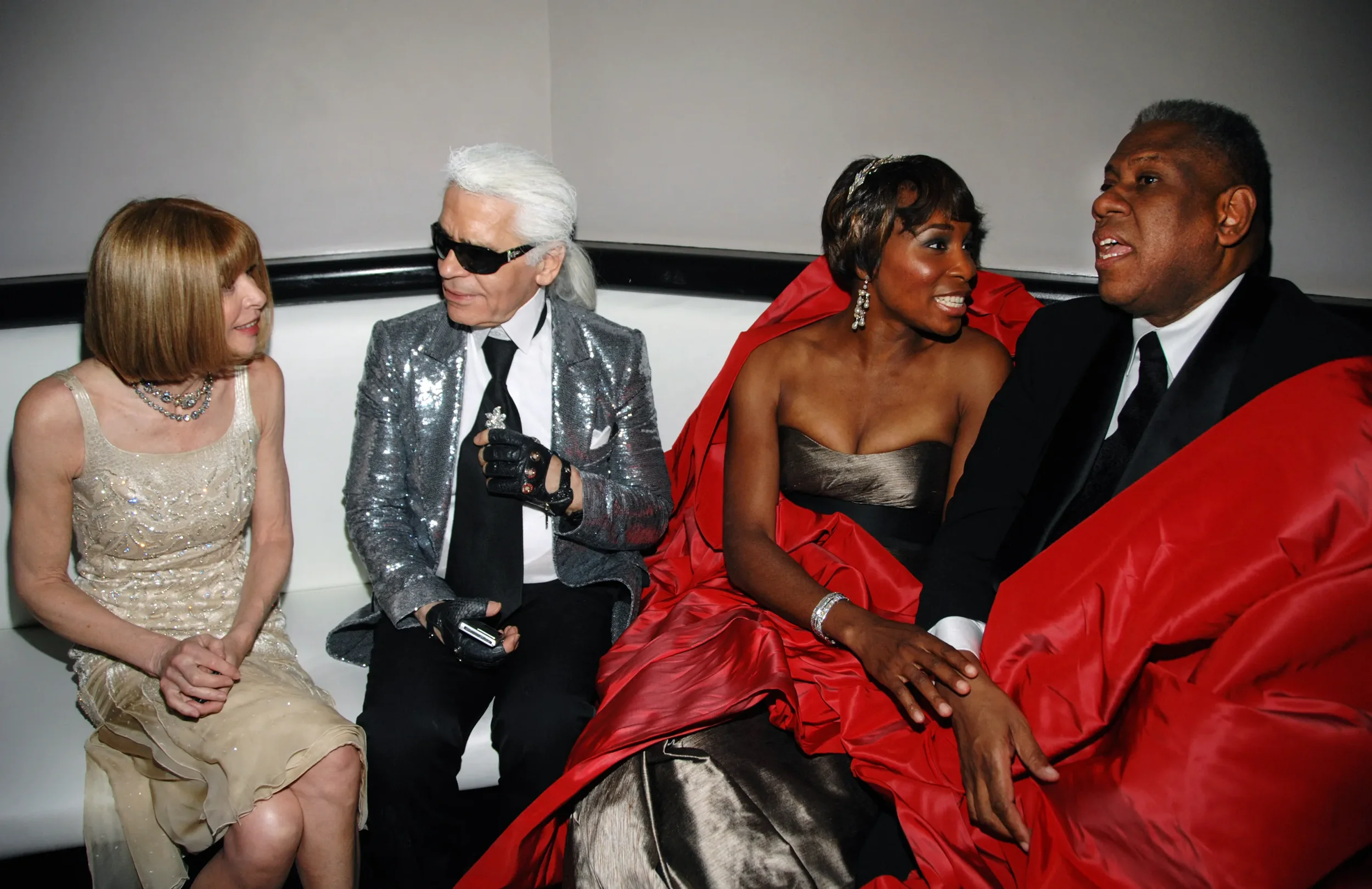
Karl Lagerfeld, Oscar De La Renta. Yves Saint Laurent, Manolo Blahnik, Naomi Campbell. Diana Ross. Michelle Obama, the Met Gala. Paris couture, Studio 54, basically the biggest designers and celebrities of his generation.
But reducing his story to the people he knew misses what made those relationships significant.
Talley wasn't simply collecting famous friends. He was building a cultural network; he connected people, he encouraged young designers, he promoted talent, he advised powerful people, he helped bring fashion figures to students at the Savannah College of Art and Design, where he later became an important mentor and cultural presence.
His influence often happened behind the scenes; sometimes the most powerful thing a person can do is tell someone “You belong here.”
André understood the power of image
“Fashion is never just fashion.”
He understood that clothing carries memory; style carries history; images decide who gets remembered, and representation changes what people believe is possible.
Talley understood the importance of seeing black beauty, black elegance, and black creativity occupying spaces that had traditionally been coded as exclusive, European, or white.
and he didn't believe that blackness had to be separated from luxury.
He loved couture; he loved fashion history, and he loved the drama, glamour, spectacle of it all, making it part of his own visual language.
His presence itself became a statement.
The glamour was political
There is something powerful about the way Talley dressed, not because every cape or caftan was making an explicit political statement.
But because a black man from the American South had entered one of the most elitist spaces in Western culture and refused to make himself smaller.
He took up space; he was loud, intellectual, flamboyant, and he knew exactly what he was looking at.
That combination made him difficult to ignore, and for generations of people watching from the outside, that visibility mattered.
Beyond Vogue
Talley's relationship with Vogue eventually became complicated, and his final years at the magazine were marked by tensions around his role and treatment there. he left the publication in 2018.
But leaving Vogue did not mean leaving fashion.
He continued writing, mentoring, appearing in documentaries, and working with institutions and designers.
His memoir, The Chiffon Trenches, published in 2020, gave readers a much more personal account of his life and his experience inside the fashion industry.
He also became a familiar face to a generation that encountered him through documentaries such as The September Issue and The gospel according to andré.
He died in New York in January 2022 at the age of 73.
We remember André leon talley is as a fashion icon. But that isn't the whole story.
His real legacy is bigger; he understood the power of being seen and then used his own visibility to make other people visible.
He understood that fashion could be a doorway into culture, history, identity, and power.
He understood that knowing the people who came before you gives you a different way of seeing the present.
And finally, he understood something that every new generation of creatives eventually has to learn:
“You don't create in a vacuum.
You inherit references, images, ideas.
Doors that somebody else fought to open.
Finally, it's your turn to decide what you're going to do with them.
Andre Leon Talley was one of the first black men to reach the highest levels of influence at a major fashion institution.
He championed black models and designers, mentored younger generations, brought fashion history into the way he dressed, wrote, and spoke, and proved that black creativity didn't need to ask permission to participate in luxury, fashion, or culture.
in 2025, the Metropolitan Museum of Art's exhibition Superfine: tailoring black style featured Talley's clothing and legacy within a broader examination of black dandyism and black men's relationship to fashion. The fact that his wardrobe could sit within that history is fitting: Talley didn't simply study fashion's relationship with identity.
