

IN CONVERSATION WITH YAVEZ ANTHONIO
Written by Matteo Franklin
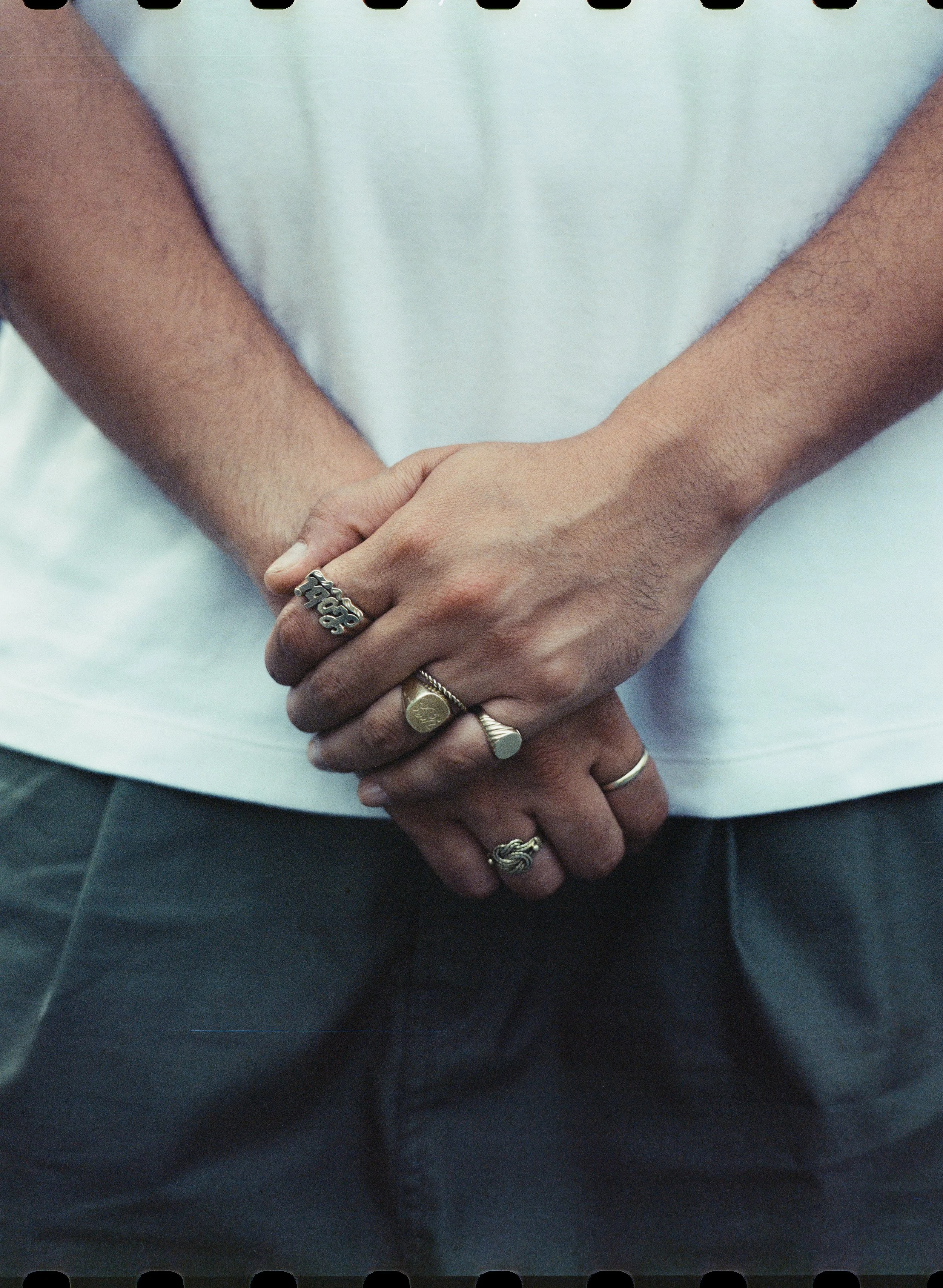
Photos by Yacelyn Anthonio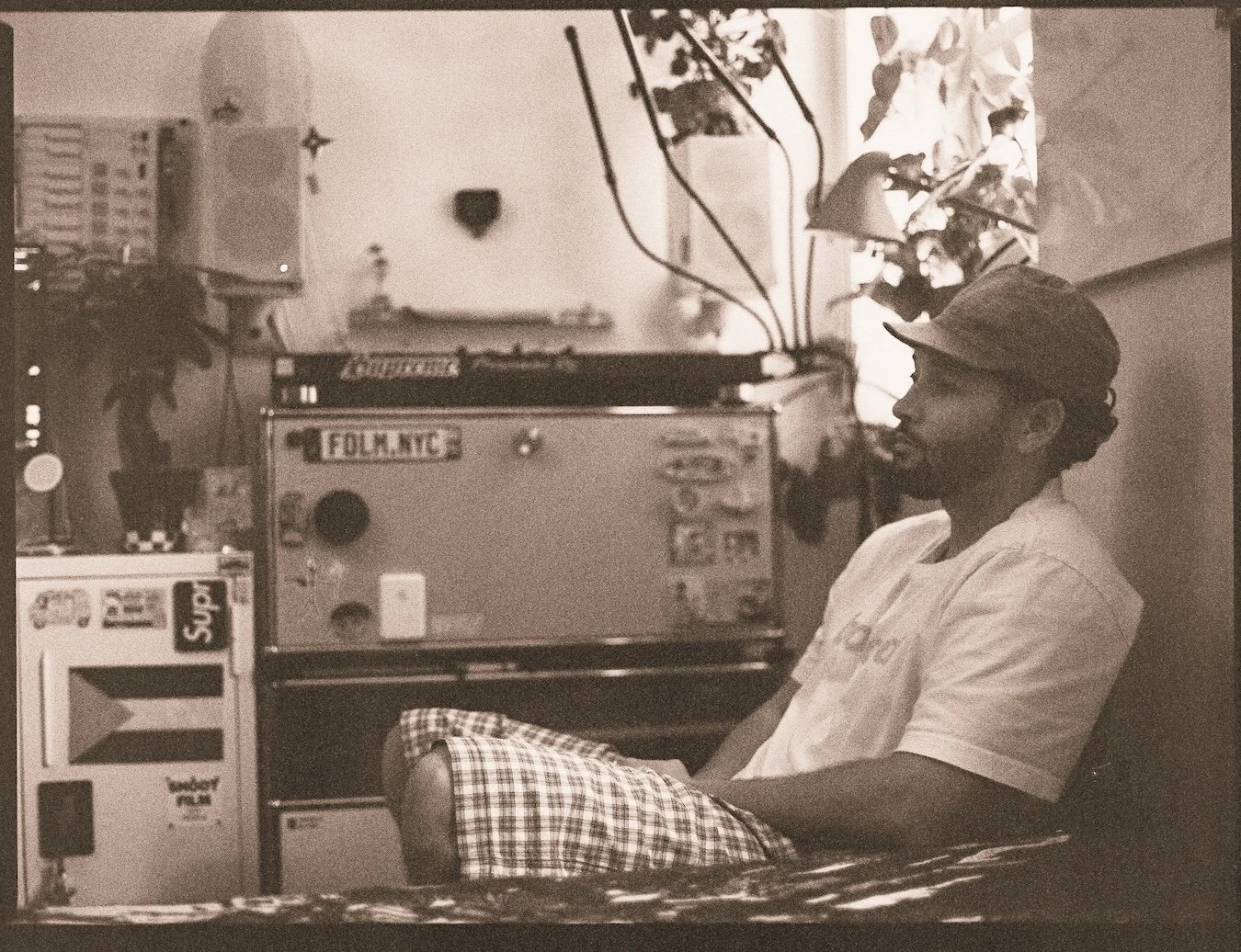
At the dusk of summer ‘26, we sat down with Yavez Anthonio for a conversation on feeling at home, the expansiveness of being a DJ, and how to create a personal project at your own pace. As a creative artist based in New York, who found his own lane in the multidisciplinary scenes of film, photography and DJing, he explores the balance of working on dream projects and implementing his own ideas in commercial work.
Reflecting back on his hometown, Amsterdam, we zoom in on the origins of his career and the development he made along the way. Yavez is a storyteller whose visuals convey messages of culture and community through photo and film campaigns for brands such as GAP, Topicals, and Nike. Combined with music, he delivers dreamlike music videos & shortfilms such as Flwr Chylds ‘InsydeOut’. Now, with the addition of his DJ alter ego SUAVEZ, Yavez focuses on creating a platform that encompasses everything he stands for, in the form of Mhmm [Music Heals My Mind].
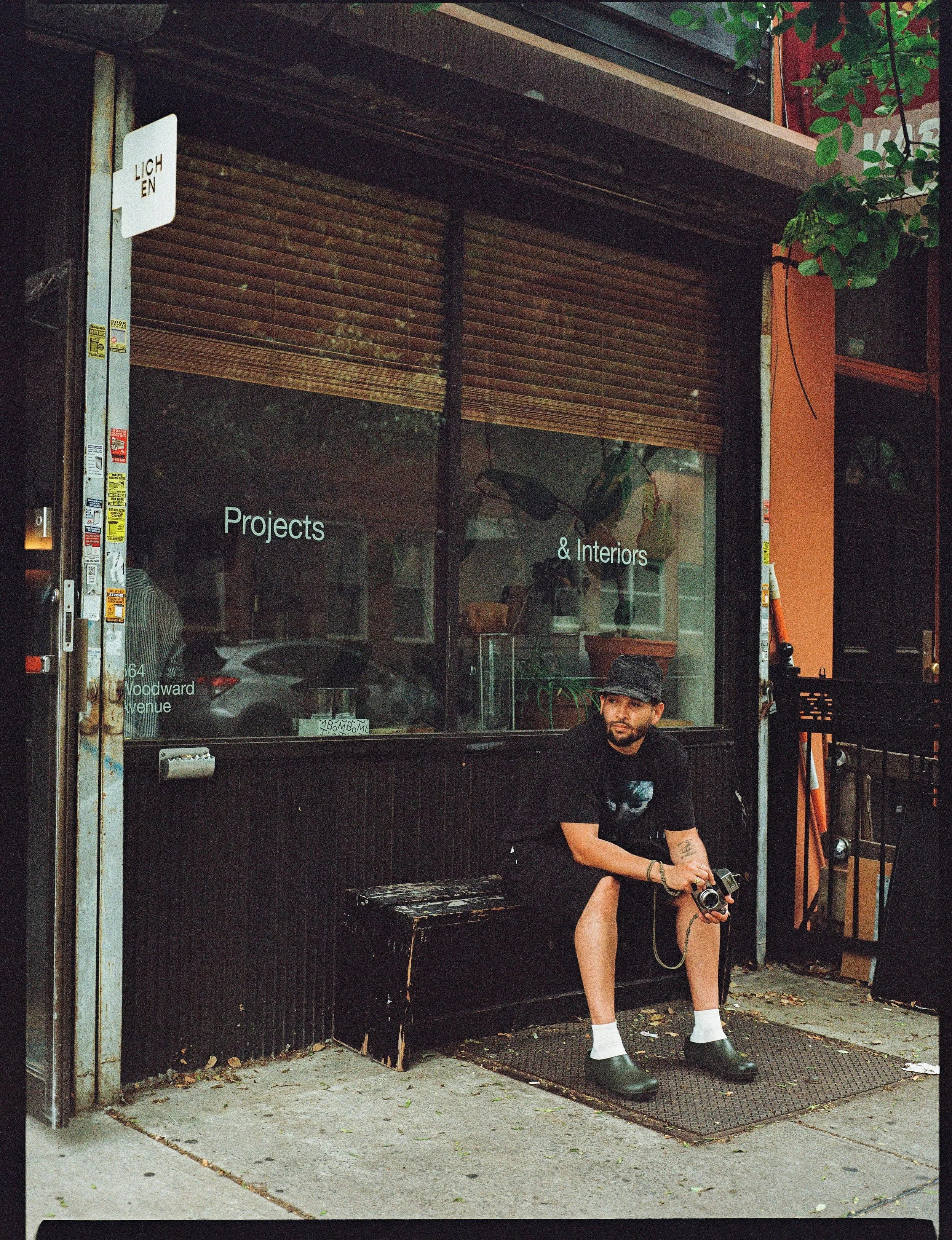
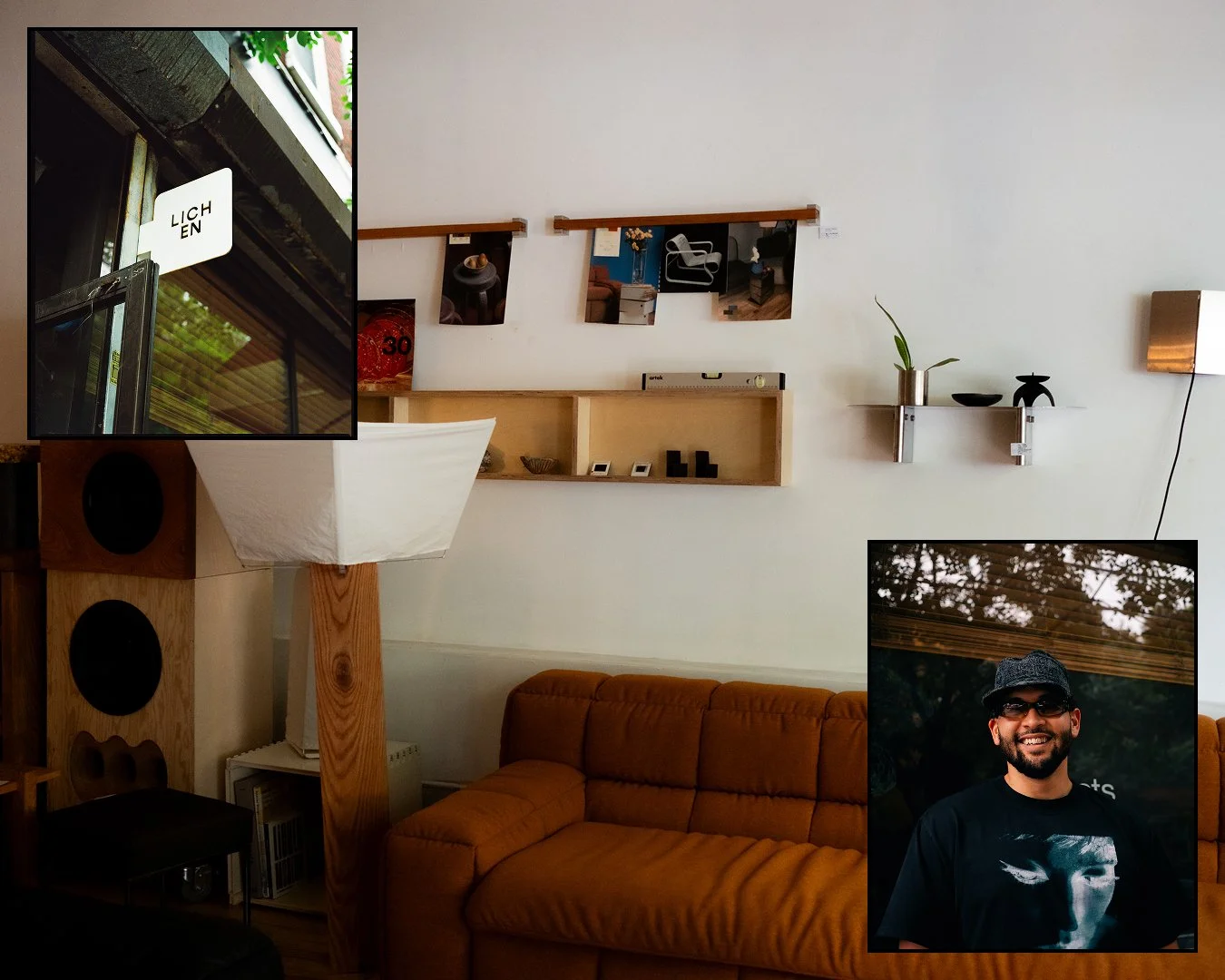
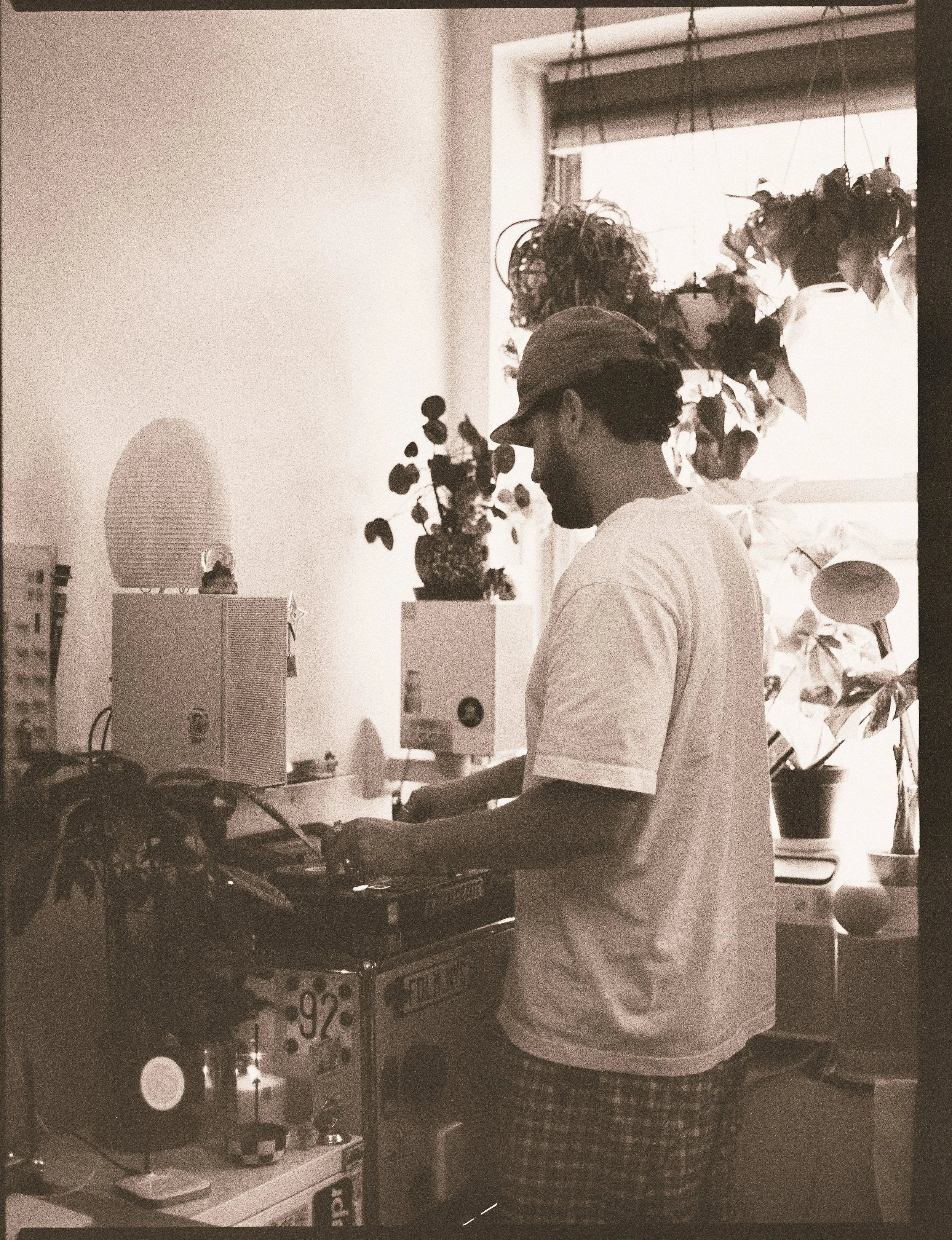
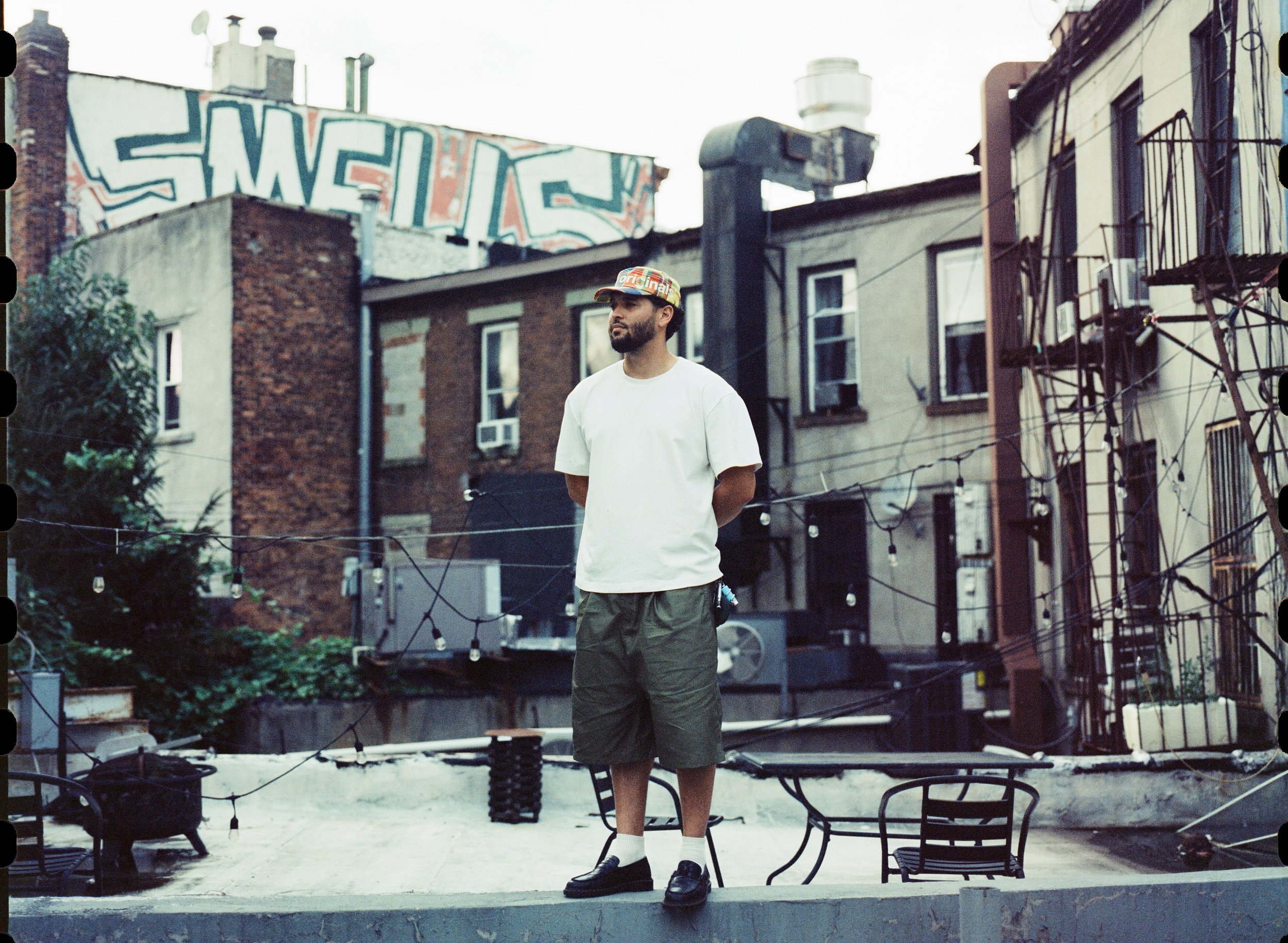
To capture Yavez in the places he calls home, his younger sister Yacelyn Anthonio set up the frames for an inside look into his safe spaces. Yacelyn is a multidisciplinary visual artist, currently traversing her journey through the lens of photography. She focuses on documenting stories concerning cultural diaspora, the abundance of life and the quiet moments during events of celebration. Visualising love in all its forms. This time around, she documented Yavez at his most frequented surroundings: his home and his friend's furniture design store Lichen.
Alright, before we zoom in on your work and ambitions, let’s set up the background. Born & raised in Amsterdam, with Surinamese & Timorese roots, now living in New York for almost a decade. What is a pivotal aspect that makes you the person that you are today?
A pivotal aspect would be the travels I've done and the people I've met along the way. I think coming from Amsterdam, specifically Amsterdam North, my childhood allowed me to have a rich imagination. And my imagination was mainly set on the places I could visit and the person I could be. Those thoughts and fantasies about where I wanted to be one day shaped who I am today, because I worked toward them.
Like you said, you're born and raised in Amsterdam. Moving from Amsterdam to New York, when did that decision become clear to you?
And how did you navigate to make space for yourself in such a big new city?
I think the big move from Amsterdam to New York came about in my mind after visiting New York a couple of times for longer durations.
I remember my first time was back in 2015. Since then, I went back every year, either in the summer or the winter, for a couple of months.
I realised staying there looked like what I imagined for myself when I was younger. And since life is getting shorter every day we wake up, I felt like it was the perfect moment for me to make a move like that. With much love for Amsterdam, I felt stagnant, and I think it's more of a personal issue than the city itself. So I needed a change of scenery as well.
And to be more specific about the navigation, I approached it by visiting as much as I could for a longer period. Instead of travelling for just a week. You don't make a friend in a week. I mean, you could, but it's unlikely. It's primarily about coming back and revisiting those bonds and making them even stronger. And I think after two summers and a couple of months in the winter, it felt like it was the right moment for me to move here. I had already put my foot in the door; everybody knows me now. People were familiar with my work. It’s important for you to have some sort of compass and some people who know what you've done or what you could do.
Could you, if any, name some similarities and differences between living in Amsterdam and New York as an artist?
I think the biggest difference is that there’s much more work. There are way more opportunities in New York. In Amsterdam it's — I don't know how it is nowadays because, you know, it definitely changed since I've moved. But at the time it was hard for me to sustain myself in that way, being a creative artist. I feel like now it's becoming easier to be a creative artist. Because the landscape just changed in general, in what it takes to be creative and how creatives are looked at. So the main difference at the time was that the budgets in New York were crazy compared to Amsterdam; it was just peanuts. [laughs]
At the same time, New York felt like the Olympics of being creative. There have always been a lot of good creatives in Amsterdam. But I felt like almost everybody would go to New York to go next level. It was really nice to be surrounded by a lot of like-minded people who sacrificed a lot to be here and follow their dreams.
What did you take from Amsterdam to New York that made the city feel like home as well?
The main thing was just me. My mindset. Born and raised in Amsterdam. I treat everybody the same. I don't care who you are. It's all love, or it's not. And I think that mentality... I guess people like it. I'm straightforward. It's always a good time. And I think it was really important to hold on to that. I've never changed in terms of personality. I'm fundamentally from Amsterdam; we have a certain demeanour, we have a certain way of talking or way of thinking, and I just took that with me. The friends I made out here accepted that about me, which made me feel at home.
My friends here also have the same mindset, and they remind me of my friends back home.
Can you tell us about some of the spots that welcomed you in the city? Any go-to’s you want to share?
The number one spot that I felt really welcomed by would be Kinfolk, RIP. It used to be a store/bar/club. I met my homie, Josh over there. We connected really well and became really good friends. We would just hang out there a lot, and it was just a nice time. There were a lot of like-minded people that I've met over the years. It was definitely a stepping stone in my New York discovery and just getting into the city, getting into the flow of things.
Right before COVID, I met a couple of friends that were working/tied to this place called Lichen, which is a furniture design store. And it was one of those places where we would all come together after COVID. We started DJing there and just hang out and chop it up. It really felt like home, because my favourite shit is when a homie works at a store and you just hang out at the store after hours. My DJing lowkey started there.
There's a spot I have always heard about but have never visited until this year called Nowadays. And for some reason it feels really familiar already. Like a community hub of sorts. I might be late to the party, but that feels really European in the best way. That’s definitely a spot that I would recommend going to if you like sitting outside smoking something or just want to dance the night away and shit like that.
We appreciate that! Focusing the lens on your career now, you started your career in Amsterdam with your directorial debut on Rimon’s ‘Sugarcoated Love’ to now shooting clips around the world for artists such as Common and Joyce Wrice, as well as shooting for Nike and Converse, to name a few. What can you tell us about growing into a craft like directing?
Not a lot. Just gotta do it. [laughs] I often get asked how I got into it. I don't even know how I got into it. I think during the photoshoots that I did, I discovered that my Sony A7 II had a video mode. I just started recording little BTS clips, and people started to really enjoy that. At the same time, I started shooting VHS stuff a little bit as well. That's how Rimon reached out to me, saying, “Hey, I like your aesthetic. Do you want to be part of this?”
So it went very naturally?
Yes, very naturally. Like no plans. Because Rimon and I already talked in the past about me wanting to direct something. So I think she kept that in the back of her mind. And as we just grew into our artistry over the years, we ended up doing that video.
But lowkey the first one I've done was Grace. Which was more of a creative direction. I shot a lot of that video too. Old video. Shout out to VHS. They had a DP who was shooting on some digital camera, and they hated it [laughs], so they were happy that I was there with the VHS.
”There's a lot of time and energy in this documentary.
And because it's so human, I kind of wanted to have
the pace to be human as well.”
Alright, alright. Some deep lore, nice! I want to have a look at the personal aspect of your work. We know you've been busy with a personal project called ‘Rivers of January’ for quite some years now. Can you tell us a bit more about this project and how it is to create at your own pace instead of the fast-paced world that we're living in?
Yeah, so this is my first personal project that I've been working on since 2018/19. Basically, it's a project about identity and capturing certain subcultures in a different light. Breaking stereotypes. It's a project that means a lot to me in the sense of trying to make more work that's less commercially driven and more people-driven. That's what I'm aiming to do more and more. I'm just approaching this as humanly possible. It’s a project that consists of real moments. I obviously know these people quite well by now, and I've shot some people multiple times. There's a lot of love, time and energy in this documentary. But because it's so human, I kind of wanted to have the pace to be human as well. And I feel like I didn't want to push this or rush this at all. But yeah, we live in a time where we should constantly think about the social media machine.
What am I posting today? What am I posting tomorrow? And my sister and I actually talk about this a lot, because she thinks that I need to post more. Although I agree, I feel like that should not be the most important thing for me being a creative. The game is the game, and we can complain about the game. My mindset is just not so much set on a high-paced output of “look what I did, look what I did, look what I did.”
I'm not even on Instagram like that to see if people do that or not. I just want to see silly shit on Instagram or TikTok. [laughs]
Look, if I see something cool, it's cool, sure. But there are too many creatives that are really fire and people that make cool shit. Or even people that wouldn't call themselves creatives and make cool shit. There's so much cool shit being made in general that I just can't keep up. And I don't expect the same from people with my work. Like if you're into it, you can be. That's why I have a website. And that's why someone has a blog or something like that. I don't know. I just want the project to be as human as possible, because it's also my first personal project, and I think that the pace will be worth the wait, and if not, it's not. We don't know things. We can't figure it all out beforehand.
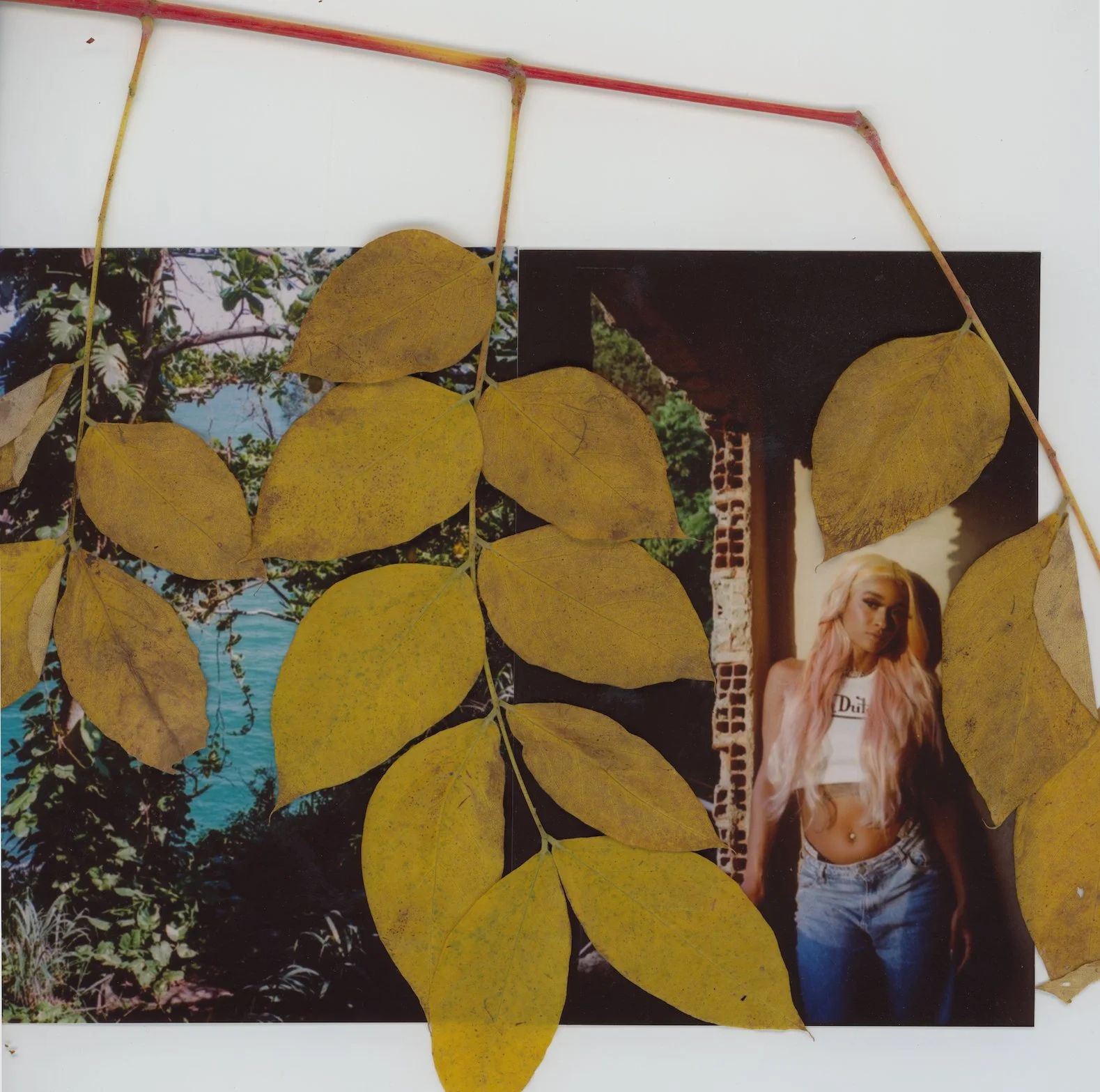
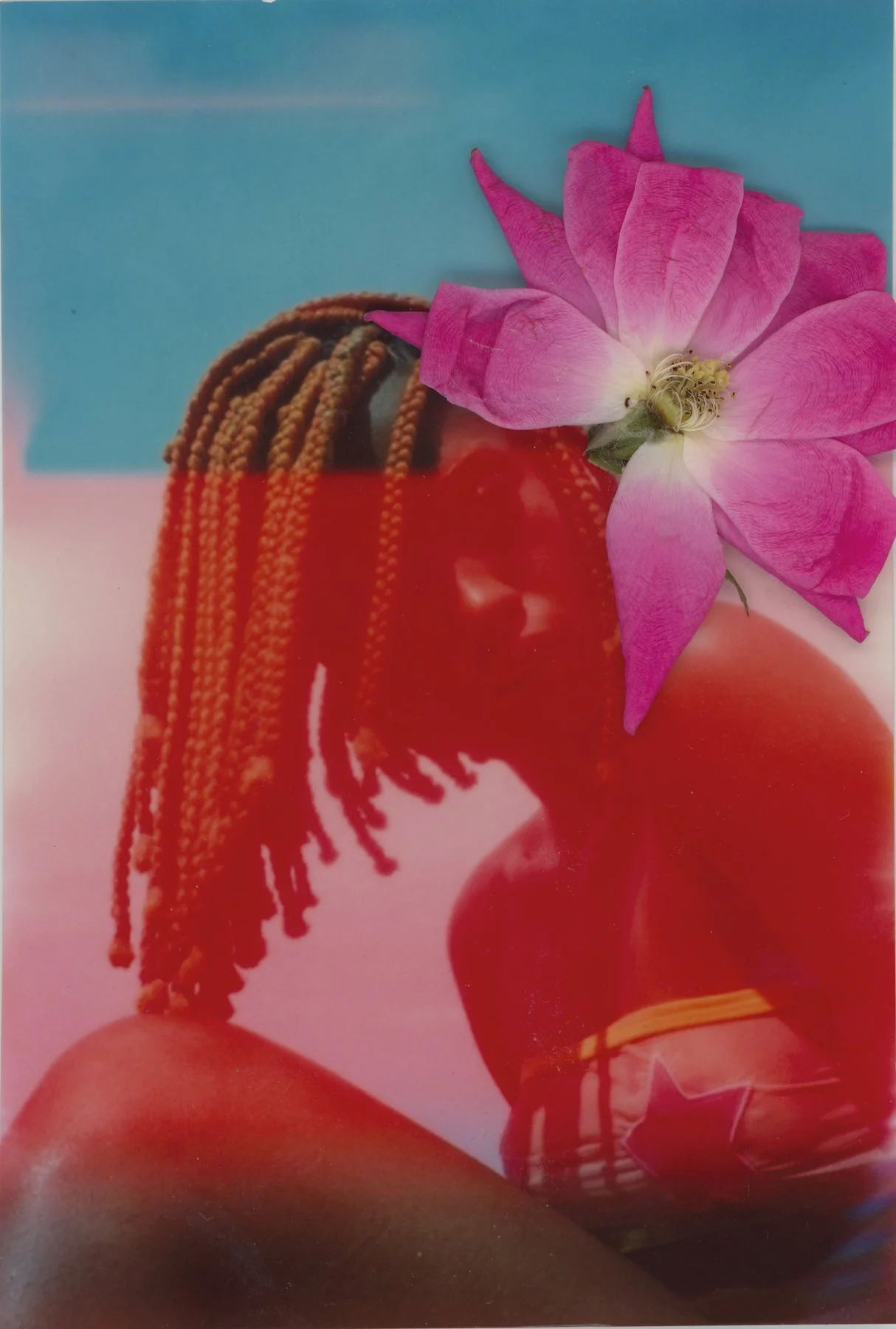
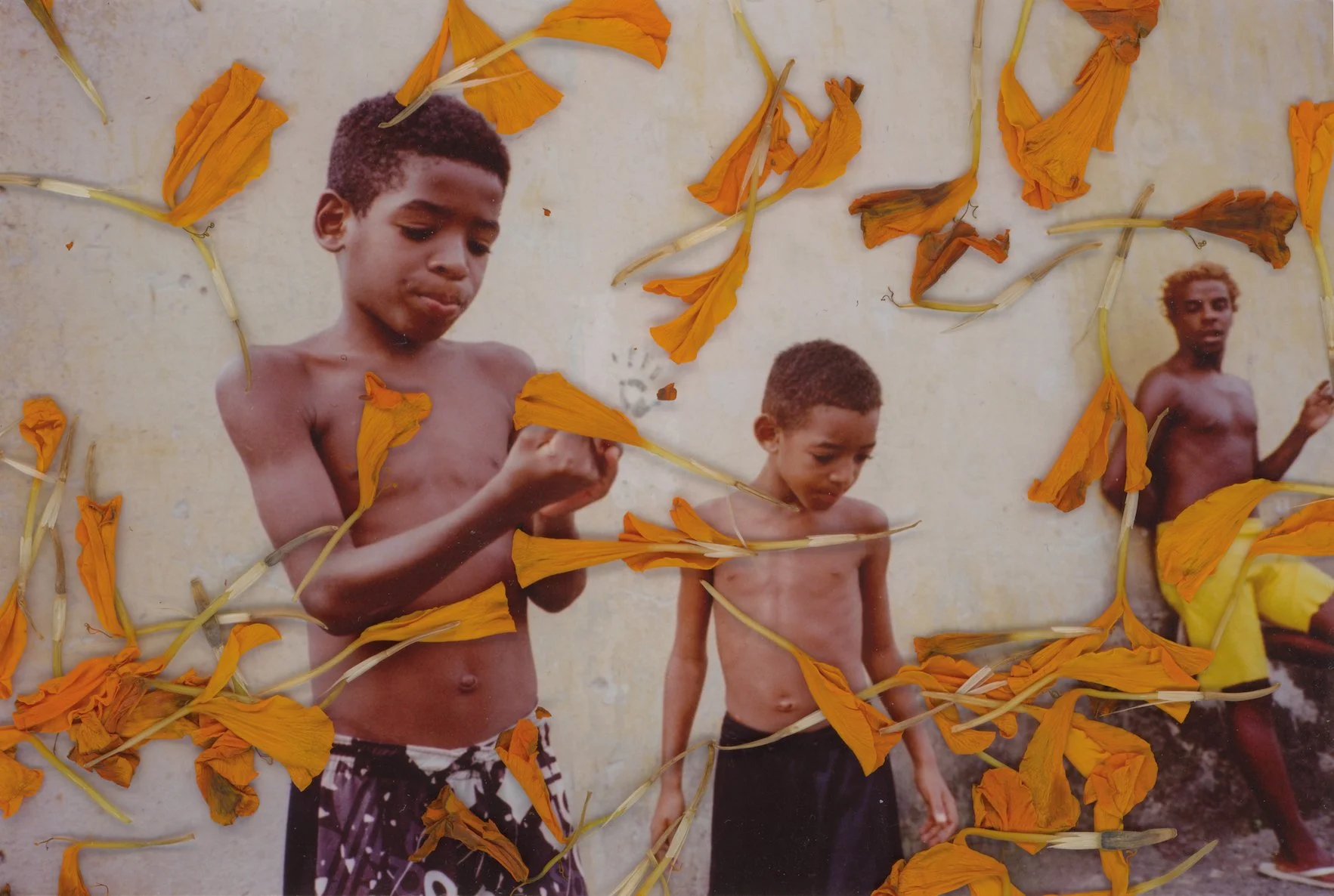
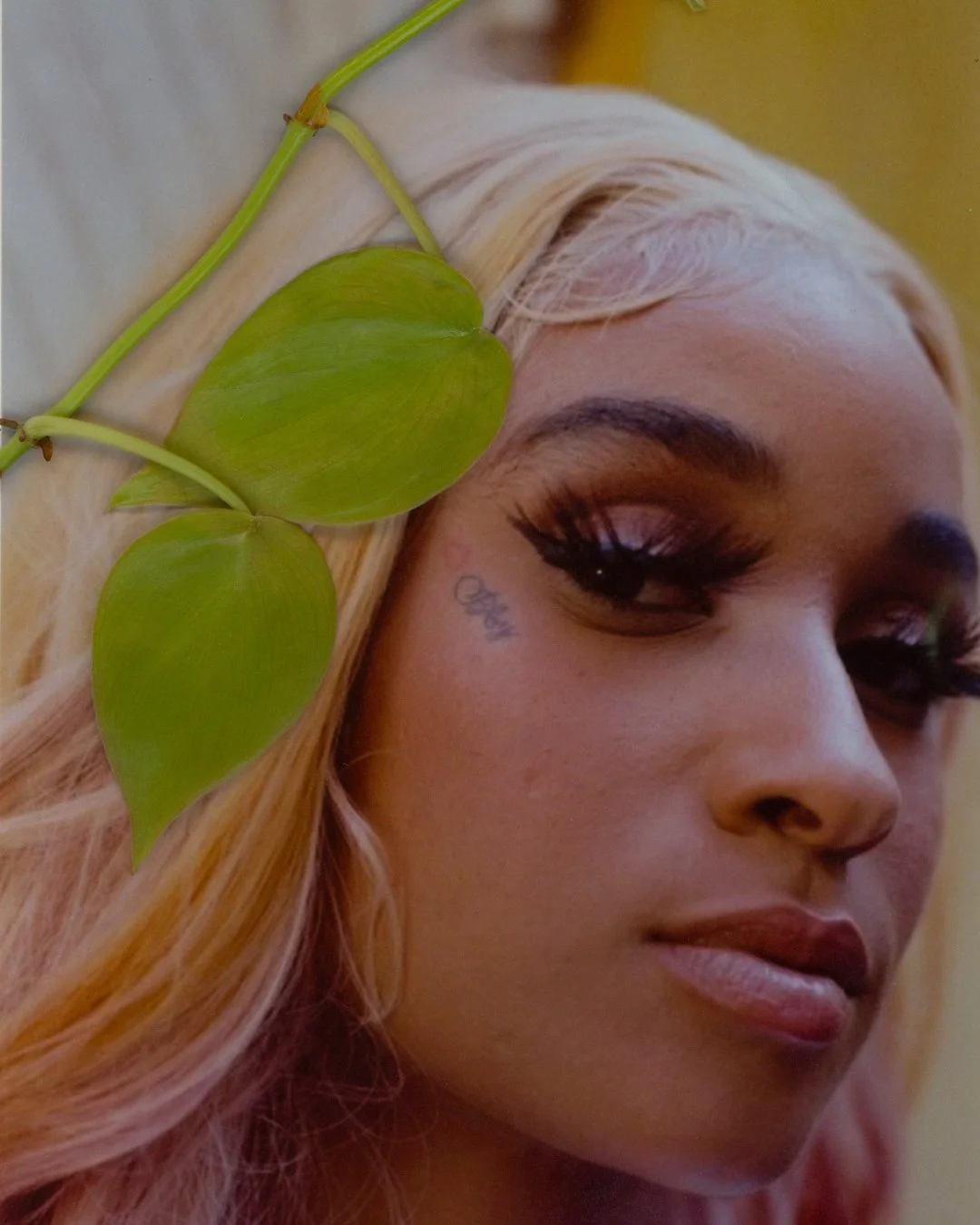
Continuing on your personal work. Recently, we saw you direct a short film music video in collaboration with the artist Flwr Chyld for his latest album ‘InsydeOut’. How was it for you to visualise an album in its entirety rather than just one song?
Honestly, a dream project. I know Flwr Chyld, Kevin, pretty well. We've been talking about doing this project for almost a year. We had to go through label/budget stuff first. I think in terms of how it is for me to visualise an album in its entirety, that's a dream project. Because I've been wanting to do more long-form things and to actually really tell the story instead of simple performance shots, “look in the camera and do this lyric.” It's cool, it's fun. I'm not saying it in any way or anything. But I just want to get more into filmmaking and actual short narratives and stuff like that. Potentially one day work on a feature film, that would be sick. It was the perfect stepping stone for me to try that out, and I'm really happy how it ended up looking and feeling. I put a lot of my own experiences in the video as well. Kevin and I sat down a lot of times just to explore the trials and tribulations of relationships and breakups
and reflect that into the script and screenplay.
It was a really dope project. I was hyped to see you directed the short film, because I love the album as well. Props to you guys! I hope to see more of that.
Thank you, man. Shout out to Zoe Janice, she put me in contact with Kevin.
We're talking about directing and photography. Through shooting your campaigns & music videos, you've been around a lot of music artists, did that have any impact on the creation of your DJ alter ego ‘SUAVEZ’?
Great question. I'd like to say no, but I'm not sure… Now that I'm thinking about it, it is true. I developed this alter ego, SUAVEZ, years ago, before anything. Before photography, directing. I used to think of it as your evil opposite. Well, not evil, but like Jim Carrey, the Mask. If I were a stripper, it would be my stage name. [laughs] I don't think it was so much the artist. Maybe besides the work I've done for FS Green, Full Crate, that actually made me think about, oh, being a DJ or producer is sick. Through directing and photography and my background in advertising and art direction, I came up with my own aesthetic around SUAVEZ. You can be just a DJ, but a DJ actually needs a lot of branding.
Which songs do you play? Why do you play those songs? What do your covers look like, and why? So that helped me set up and develop my alter ego, SUAVEZ.
Getting into the specifics, what would you say really got you
into DJing?
I've always wanted to make and play music. At first, it was just a lack of confidence that stopped me from doing so. When I was younger, I had a lot of people around me saying, "You can only do one thing at a time. Focus on photography. Focus on directing.” Some people were friends. Some of those peers were people I looked up to. I took it to heart because I was thinking, if they say that, that should be the truth. Little did I know, I can define my own truth. Because there is no truth, or the opposite of that, It's whatever you want it to be.
My earliest memory of DJing was when I borrowed a little controller from a homie when I was studying. I still have it. I should give it back one day. [laughs] But I don't even know where he's at in life. It's a shitty Hercules joint. And I remember sitting at my mom's
dinner table, just playing R&B songs, and it was shit. It was terrible.
[laughs] But my sister liked it, so I just thought it was funny.
Fast forward a couple of years, I did a project with Full Crate, and he showed me some stuff. After that, I did a couple of little weird DJ sets in Copenhagen. Shout out to my homies, David and Santino. Terrible, terrible set though. [laughs]
Eventually, I got really into it during COVID, you know, bored at the crib, nothing to do. No photos to be taken, no videos to be directed. So I was like, fuck it, let me just DJ a little bit. So I started doing a lot of house parties, rooftop parties. And like I said earlier with Lichen, we were just DJing after hours there a lot, like every Friday, Saturday, whatever. A little crew came together and started booking places like Pirate Radio, where you can get a little DJ room for 50 bucks per hour. Dreamcast Mo would come to Lichen a lot too, and he would show us how to mix, etc. After COVID, work was good for a while, but it went down a little bit over time. So I started to think, you know what, what if I take this DJing seriously? At that point I felt like I owed it to myself to at least try.
That's a genuine journey right there. Based on what you know now, what would you recommend to someone who's just starting DJing?
That’s a difficult one. I'd say, instead of playing hits, play things that tell the story you would like to tell on the dance floor. Although I think story is such a heavy word for DJing, because sometimes you just want to play some fucking music. But it's the thought behind it. If someone asked me, what's the thought behind your music? I want the songs to make you feel sexy. Every song, whatever genre I play, is going to be sexy. And I think it's really important to look into the branding aspect of it all. What does the music you play, whether that's a mixtape, a transition, makes a person feel like? What is the message you want to share? What do you want to achieve?
I think those are questions you should ask yourself. Based on the answers you give yourself, you should make a step-by-step plan on how to progress further. The tools are everywhere around you, but you have to ask yourself the questions. Because you could download all the same cool songs that are popping right now, but you can't play that all night. When people take their bike or Uber home, what do you want people to say about your set if they have to describe it? I know what I want people to say about my set. “Oh, it made me feel sexy.” “I fell in love tonight.”
Important disclaimer for the SUAVEZ sets. Stepping into club culture. How has the music scene in New York changed your interests, compared to Amsterdam?
Back when I was living in Amsterdam, I grew up with R&B, Hip Hop, Dancehall, Reggae and Bubbling. That’s what I heard at my high school parties, and it’s still very much a part of me. While in New York, the scenes here are so much more expansive in every sense. I also liked Deep House and Soulful House back then. But I would never go to a house party. All my homies would always go to Techno parties and genres like that. They would invite me to Dekmantel, etc. And that just wasn’t for me at the time, it would feel too ‘druggie’. In the meantime, I've learned to appreciate it a lot more. Because in New York, I discovered that it isn’t a white thing. It's music for everybody. Especially in Brooklyn, as I've experienced it, it's a black music genre. Moving to New York really helped me develop my music taste.
Speaking of an expansive music scene, last year we saw you do an Asia DJ tour! Touching down in Japan and the Philippines, to name some, how did you experience that? And what did you take home from the trip?
Yeah, it was... tiring. I think I've never slept less than those three weeks. I've never been more consistently drunk. [laughs] No, but it was a great experience that definitely showed me that music and especially the music that I would like to share with people, is an international thing. Which I already felt, but it's different if you actually do it. I experienced beautiful moments, all the way across the world, seeing people enjoying the sounds that I want to play for them. Especially in Japan, people loved the House music I played.
Also, coming from Amsterdam North, it's a blessing to do shit like this in general, because I would have never thought that I would be able to share something or make something that people would fuck with overseas, you know? Let alone my neighbours or people that I knew.
I got a side note that I thought was interesting. I've never played in
the Netherlands. I started DJing in New York, right. I've never really
played in the Netherlands yet.
Yet! Good to know. When you’re back, we’ll make it happen.
Alright, let's go!
“I've discovered that, as the saying goes, the world is your oyster.
And I'm eating the fuck out of this oyster.
I'm doing whatever I want.”
Besides all these endeavours, lately you’ve also been busy with your own curated sound called Mhmm, meaning ‘Music Heals My Mind’. Can you tell me more about that and what Mhmm stands for as a whole?
Basically, I was dissecting myself, you know, after adding DJ to my buckle, I wanted to create something where it would be all-encompassing. Where my photography, directing, now also DJing and music come together. Something that would describe me the best, where I could do whatever I want and make it make sense. For a time, that was a struggle for me. That's why I started DJing way later than I wanted to, because, as I mentioned earlier, I was taught to do one thing at a time. But growing older, I've discovered that, as the saying goes, the world is your oyster. And I'm eating the fuck out of this oyster. I'm doing whatever I want. Fuck this oyster. I'm doing what I want. [laughs] And I think that Mhmm is the perfect embodiment of that, what I want to stand for, and what my work stands for.
Creating a platform like this, which part of the process has surprised you the most so far?
That people don't know what it means. I mean, I think I've said it a lot. It's kind of funny because everybody has the same “no way, that's fire” response every time. Besides that, concerning the process, it doesn't really feel like a process anymore, because it feels like it’s something that is part of me. It started off as a party, and that's still going. That was a difficult part as well, to convey a feeling through a party in a landscape filled with a million other parties. It was surprisingly hard to find a lane or even the name that embodies what I stand for. Something I view as important for whatever you do, whether that's an event or a company. And at the same time, it has to be catchy as well. This is the first time ever that I've labelled something to be part of my entity. It takes so much time to figure out and then try to communicate what Mhmm encompasses.
I like that. That's very real. It feels like part of yourself, and it's not necessarily based on a capitalistic commercial foundation.
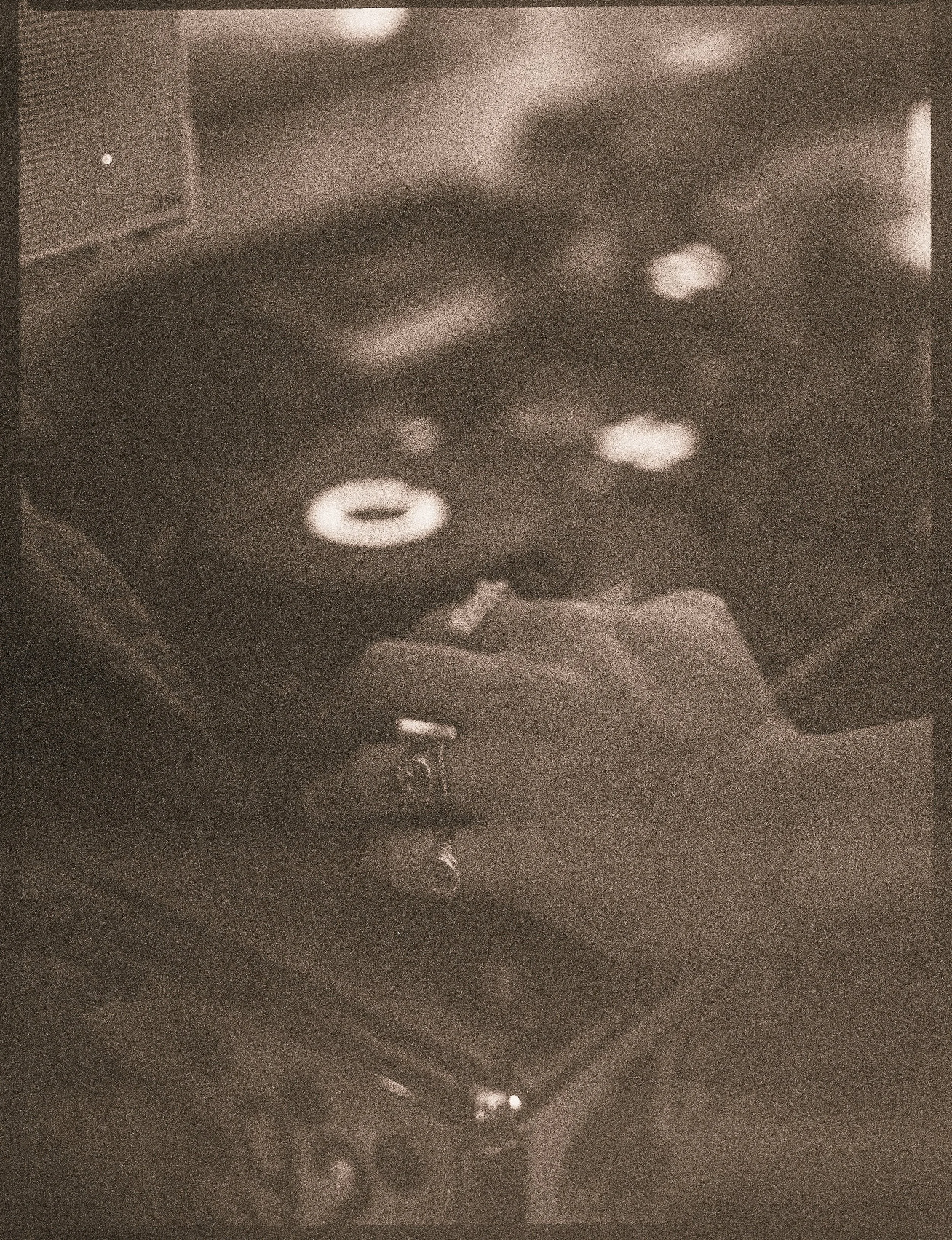
Yeah, it’s really part of me, I even tattooed it on me. [laughs]
With already 10 parties under your belt, do you view the DJing aspect as the foundation of Mhmm, or is it just an aspect?
I'd say it's an aspect, but it's definitely part of the foundation. Because a lot of brands, especially fashion brands, start with socks or a hat. And in due time, they develop their reach through clothing, certain garments, shoes, bags, accessories. From my angle, parties seemed like the easiest and most relevant way to make people aware of the brand. Or what it looks like, what it sounds like, focussing on the different senses: sight, smell, taste/touch and hearing. I think you should always try to appeal to at least two. If you can do three, that's great. But I want to create a recipe. Whatever I touch, I want it to feel a certain type of way, to look a certain way.
Same goes for music, I have a sound that I have curated. The basis is global music, but depending on the day, for instance, during the Puerto Rican Day Parade, we'll go harder on the Puerto Rican music. Or if it's Labour Day, we're going Caribbean music. Whatever the theme or genre, it's music that makes you feel something, that's the goal. At some point, I also want to dive into the smell and taste aspects through food.
Take a short film, for example, the score is set up through an extensive lens by my people and I, which will then correlate with the visual identity. Touching the senses of sight and hearing. And to round it out, we can curate an event with a dinner for it afterwards. Those are things that I'm interested in, to create more experiences based on the work
and parties I've been doing.
”Photography is, at the end of the day, curating a moment between you,
the camera and the subject. And the same goes for curating a night with DJing.
Whether thinking of the lineup, your set, the venue you choose.”
We need more artistic experiences, for sure. And as we’re talking about it, you’re combining your photography & directing with DJing under Mhmm, how do you find that overlap between the shared art of curating the night through DJing and capturing moments in time through your lens?
It just comes down to intentionality. However you shoot the photo is because you intend to take the photo as you see it. Photography is, at the end of the day, curating a moment between you, the camera and the subject. And the same goes for curating a night with DJing. Whether thinking of the lineup, your set, or the venue you choose. It's the same with everything I do. Taking it back to, you should just ask yourself questions. What's your genuine intent behind it all? And that's how I find the overlap between those aspects, that's just the mindset I have.
Genuine curation is such an important and separate art on its own. Love to hear that. As you’re primarily setting up Mhmm in New York, do you consider it as the base of Mhmm, or is it merely the location where it started?
The human experience is the base. Wherever I go, Mhmm will go. And I think for me right now, New York is the location that I call home. But that is for sure going to change one day, whether that's in a couple of years, I don't know yet. How I envision Mhmm right now, not to be similar like Soulection or something, but I would like it to be a radio as well, on a global basis. It could be something that has multiple curators or multiple selectors. I don't know where it will go, because I don't know a lot of things yet. It will either guide me, I will guide it, or we will guide each other to find the right place.
Do you have any specific collaborations in mind that you would love to realise in the future?
The only one I can think of is a Yakult collaboration. [laughs]
That's perfect for the sense of taste!
Right! And it looks so fire. The Japanese market across my gym has this big inflatable Yakult. And I was like, “yo, I want to buy it.” They said, “nah, you have to email Yakult for that.” So I emailed them, and they said no a couple of times. But at some point, they sent me two fluffy’s, a little bottle and a cooler. And then two weeks of Yakult as well. So I'm working on a deck right now to see if we can collaborate. Still some work to do though, to get them on board. I need to do my own thing first. Create my own merch, put out more of my own ideas. Accompanied by original music as well. But yeah, things like that would be sick. Working with brands & people that I actually like, do things that are positive for your body. Just good things and fun things.
This is the most unique answer I never expected. It needs to happen! Now taking it back to the present, what’s the next step you’re currently looking at?
I want to make more original content. Whether that’s more little documentary pieces about artists that I really enjoy or I think deserve more of a spotlight. I would love to do another similar project I did with Flwr Chyld, to have more creative freedom to work with artists to create long-form expressions of their music through cinematography. That would be sick. Telling stories that I find interesting, whether that's really music-related or not. Which I think is almost impossible, actually, because everything is music-related in every type of way. And besides that, original content for Mhmm merch. Make a commercial where I try out to put as much of my own shit in one project. Make it cinematic alongside my own music.
That's a great example of embodying what you want to do and just create what you feel is necessary. Consider me curious! And as you mentioned original music, SUAVEZ produced songs. Do you have any SUAVEZ recommendations you can give to the readers to get a feel for Mhmm after reading this?
Yeah, check out my latest songs on Bandcamp. Living Room Flow and Morning Dew (Donk). The short versions are on SoundCloud because of copyrights. Besides that they’re the most recent, they also embody what I'm feeling right now.
Thank you for your time, man. We appreciate you and we’re looking forward to everything you're cooking up!
