

BRINGING LIGHT OUT OF CONCRETE: INSIDE QUARTO OGGIARO'S CIRCOLO ARCI ITACA
Written by Maguette FallPhotos by Glauco CanaliasIn Quarto Oggiaro, the boundary between institutions and the street is often a thin, hollow line. When public structures pull back or forget the suburbs, that void is filled by those who live the neighborhood every single day. In this urban landscape, Arci Itaca stands as much more than just a cup of coffee or a beer at the bar: it is a social trench, a laboratory of cultural resistance, and a space where second chances take shape. Between the volunteer work of inmates from Bollate prison, community support desks, and a music lineup that lights up the nights of the northern periphery, Arci Itaca shows what it truly means to build community without shortcuts.
We sat down with Irene Trezzi — barista, event coordinator, and the backbone of the ARCI club — to understand what it means to keep a cultural heart beating where people often see only gray.
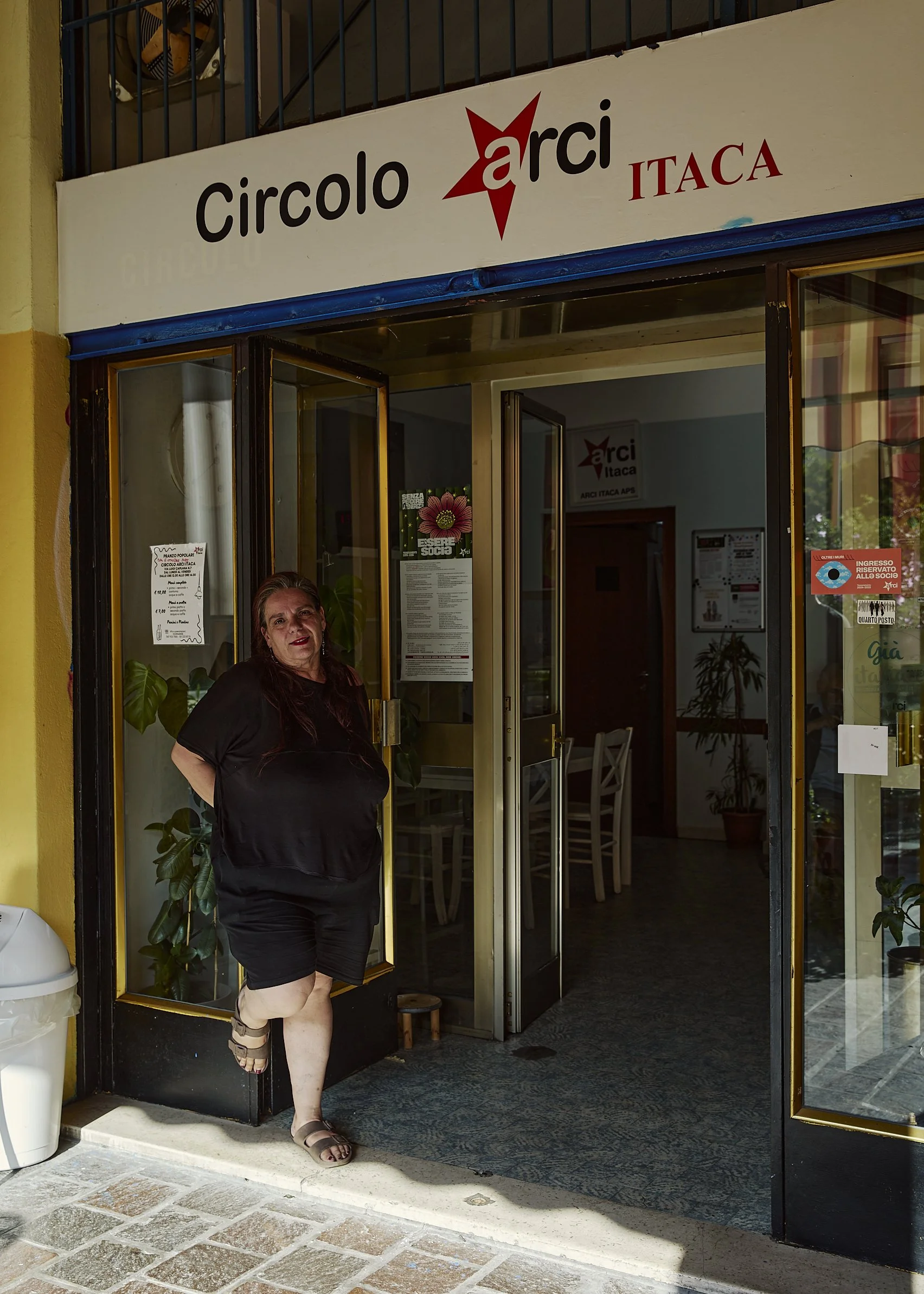
[Maguette]: Tell us a bit about yourself and your journey. How long have you been living in Milan, and how did you come to ARCI Itaca?
[Irene]: Hi, I’m Irene. I’ve lived in Milan all my life—I wasn’t born here, but in Lecce, to a Milanese father and a mother from Puglia. My life journey has been quite long and eventful. I left school early to work with my mother in her small tailoring business. Over the years, I became a partner, and we grew from a small workshop into a company with 15 employees, working for major Milanese fashion houses. Meanwhile, I got married for the first time and had a wonderful daughter…
[Maguette]: You flatterer! (laughs)
[Irene]: After that relationship ended, I met another partner, got married again, and had three more children. In the middle of a rather turbulent family life, Milan was becoming impossible to afford. We had to downsize to a small tailoring shop doing small-scale production and retail. That lasted about six or seven years, until my father unfortunately became ill. The shop’s lease couldn't be renewed because the premises didn't comply with regulations, so we decided to sell everything. I looked after my father, opened a small tailoring business from home, and worked as a babysitter. My second marriage also came to an end… but through all of this, I also had a lot of fun! (laughs)
[Maguette]: So there was a real intertwining between your personal life and your working life…
[Irene]: And I’d say we’ll leave the personal life aside! Anyway, unfortunately we lost our home, and it was in that context that I connected with ARCI Itaca in Capuana. Losing our home became, in a way, a moment of rebirth. Naturally, I turned to a tenants’ union, Unione Inquilini, that supports the right to housing. My family and I moved into an occupied space managed by them, where, in addition to giving us somewhere to stay, I met several people. It was during the height of COVID, so the waiting period for social housing was a little longer.
[Irene]: Among the people I met, some were working with Fabio Galesi, the councilor for Municipio 8. Through them, I got to know him—he is one of the key figures responsible for ARCI Itaca in Via Capuana. That was my rebirth: not because of money, but because I began a working journey and, above all, a volunteering journey dedicated to helping people. It gave me enormous fulfillment because it had always been my dream. Meanwhile, my family and I were finally assigned a home in Municipio 8, right near the ARCI club. Because they were short-staffed, they asked if I wanted to volunteer at the bar and during events in the square. That is where a wonderful collaboration began.
[Maguette]: Through various social support desks, let’s say.
[Irene]: Exactly. Beyond housing, there is so much more. Fabio has a very strong relationship with the Municipality of Milan, and we also collaborate through volunteering with Bollate Prison.
[Maguette]: Yeah right, an amazing project—we’ll get back to that. Milan is a city that is always moving and constantly evolving. From your point of view, what impact has this change had on the people living here?
[Irene]: In my opinion, Milan was a wonderful city until twenty or thirty years ago. There has certainly been a great deal of development, particularly in urban planning, but from my point of view, it has become worse. I have a sense that it is no longer designed for people. It has adopted the idea of "Milano da bere"—Milan as a place to enjoy yourself—but only for people who have money in their pockets. From a social point of view, it has deteriorated enormously. It has become almost inhuman.
[Maguette]: When you say "from a social point of view", do you mean accessibility and inclusion for people?
[Irene]: Access to everything: for young people, access to housing, and any basic need a person may have. The city has become multicultural, but I would have liked to see it evolve more like London or Paris, rather than developing neighborhoods that turn into ghettos. Here, standards have dropped enormously. Perhaps I also speak from personal experience, because my children are not only Italian but also African, so we have experienced—and continue to experience—these things firsthand. People have become more cruel, and ignorance and racism have grown. Then there is this tendency to neglect the neighborhoods on the outskirts, which are actually the real Milan. They are basically left to decline, without proper supervision or funds.
[Maguette]: Because very often there is this perception that Quarto Oggiaro is not really part of Milan…
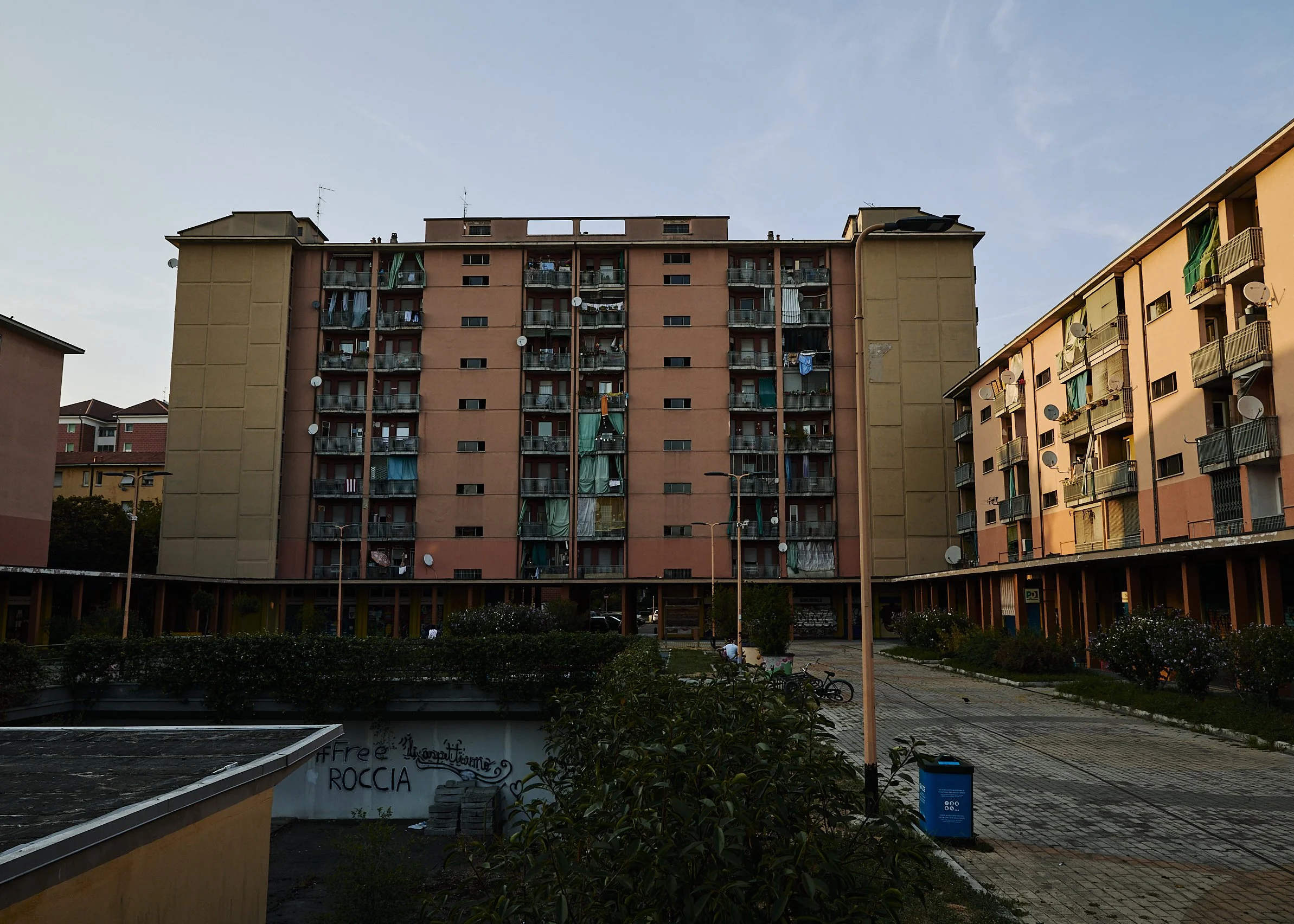
[Irene]: Exactly! For any place on the outskirts, you hear residents say, "I’m going to Milan to do my shopping", even though they live inside the city limits. That narrative is caused by institutional neglect. As a municipality, thanks to Councilor Galesi, we do a great deal within Municipio 8. The problem is that the central administration does nothing. The neighborhoods are kept on the margins, which leads to decay and poor behavior. Naturally, these are areas with many social housing estates, but that does not mean people should be marginalized. Countless respectable families have every right to enjoy their neighborhood in the same way as someone living near Parco Sempione or Cordusio. We all have the same rights.
[Maguette]: In a city that is becoming increasingly expensive and exclusionary, what does it mean to you to remain connected to an outer neighborhood like Quarto Oggiaro?
[Irene]: In terms of daily costs, there isn't actually a huge difference between the city center and the outskirts. Food shopping and utilities are expensive throughout the whole city. The difference might be that here you pay €5-8 for a pizza or a spritz instead of €15 in the center. But the underlying struggle remains the same. This is exactly why outer neighborhoods should be valued—the city center has become almost impossible for ordinary people with ordinary jobs. We're sitting on so much wasted potential with this area: we have public transport, squares, parks, and green spaces.
[Maguette]: So you think this neighborhood has the potential to offer a great quality of life if we looked at it and invested in it differently?
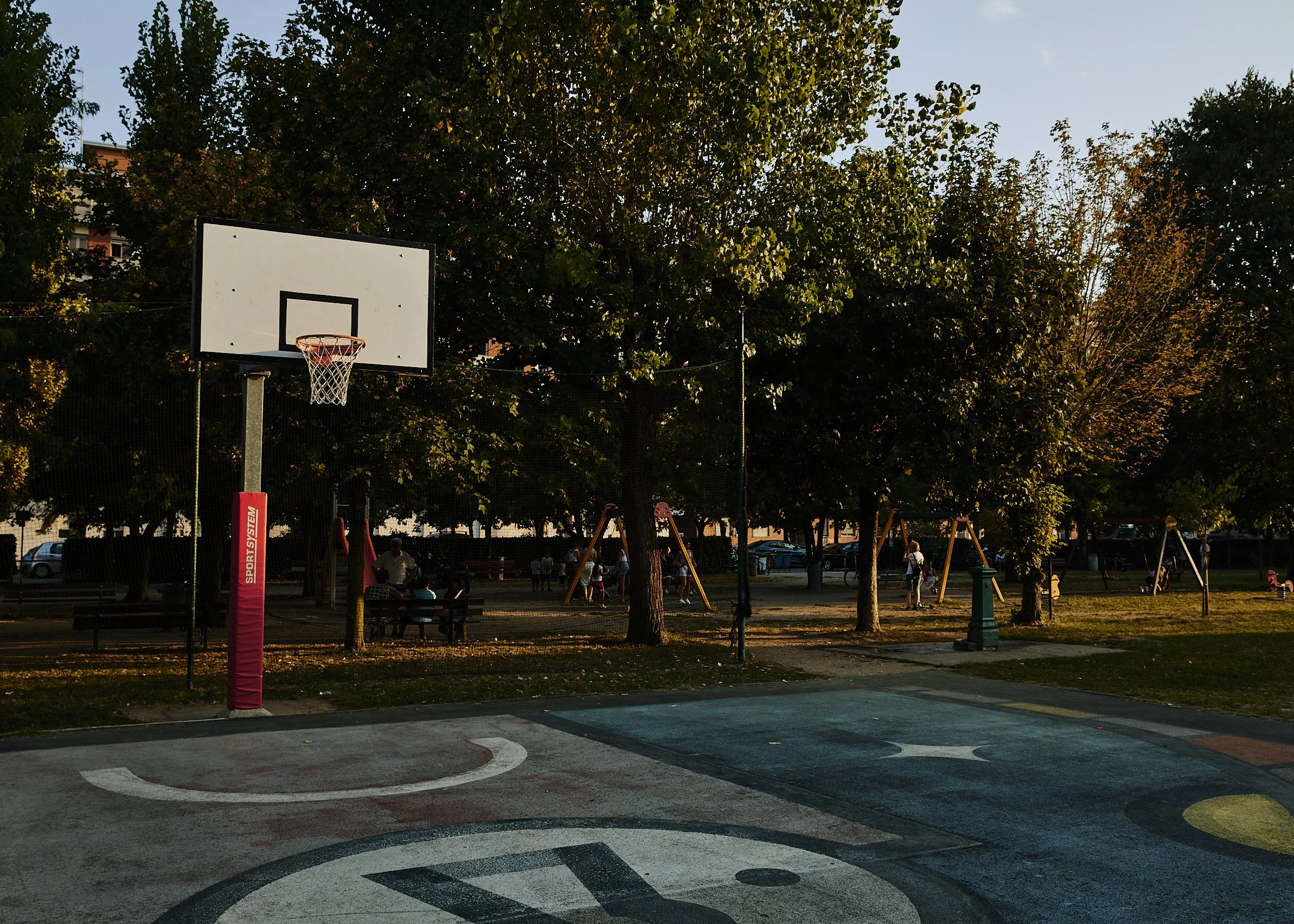
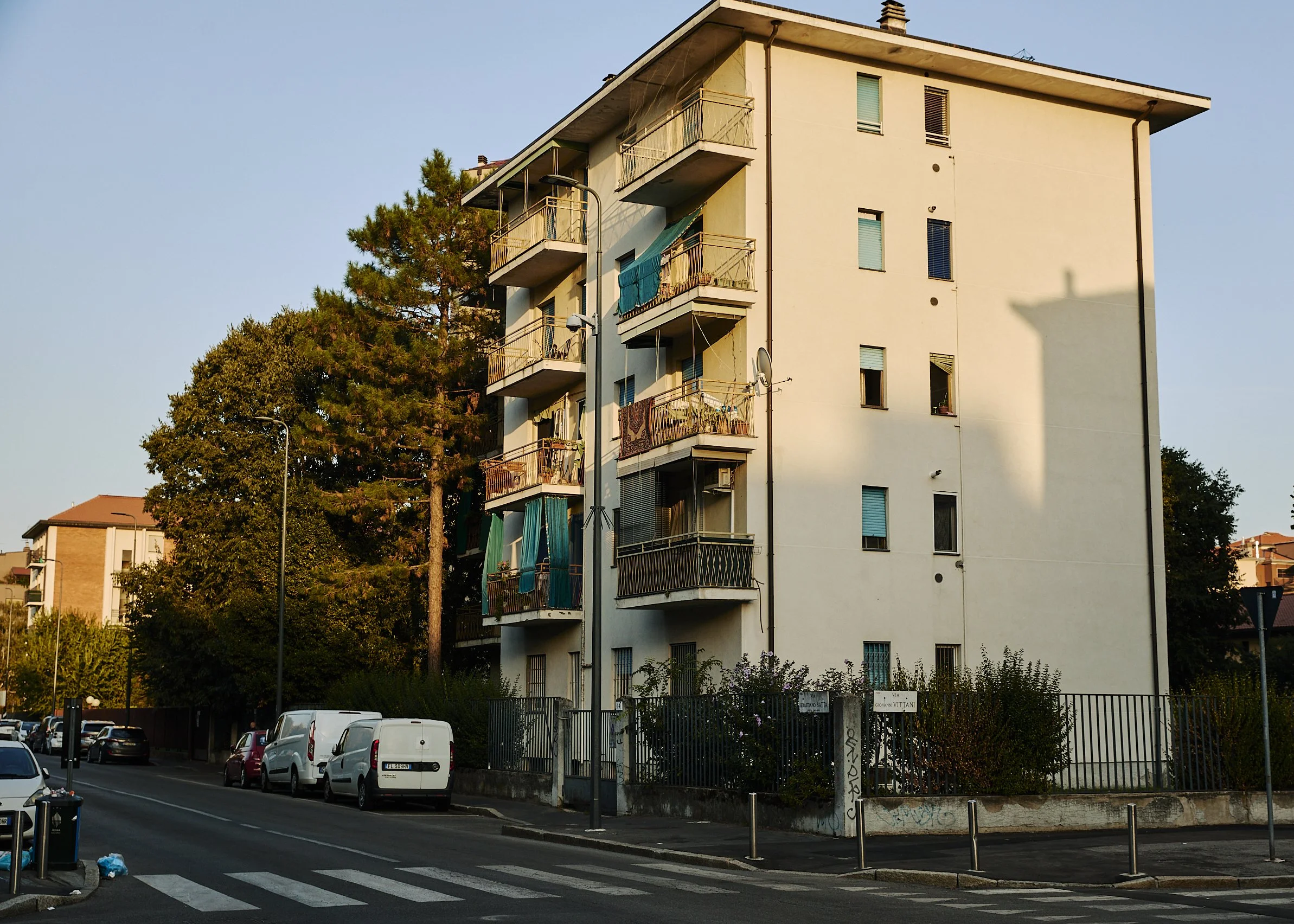
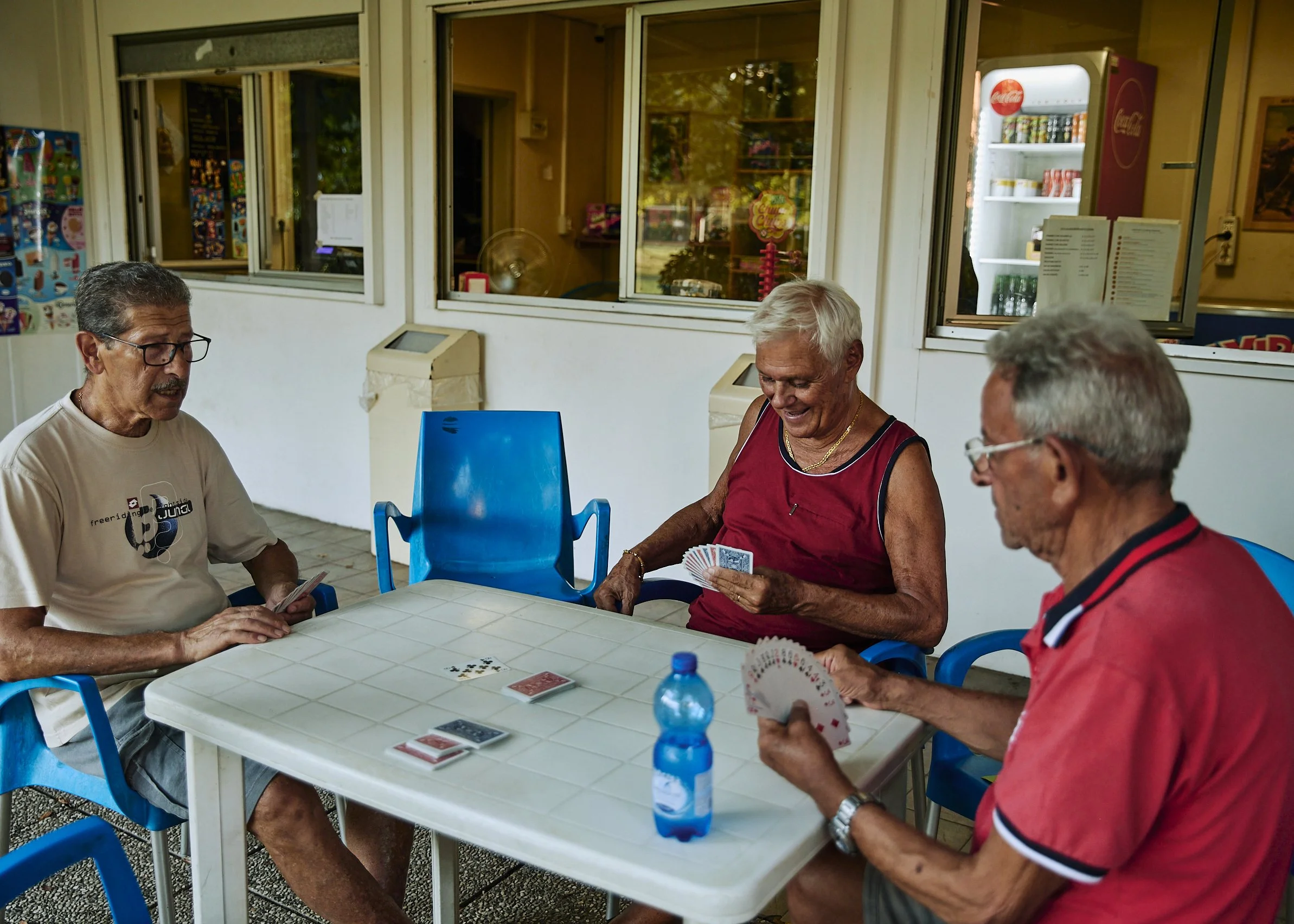
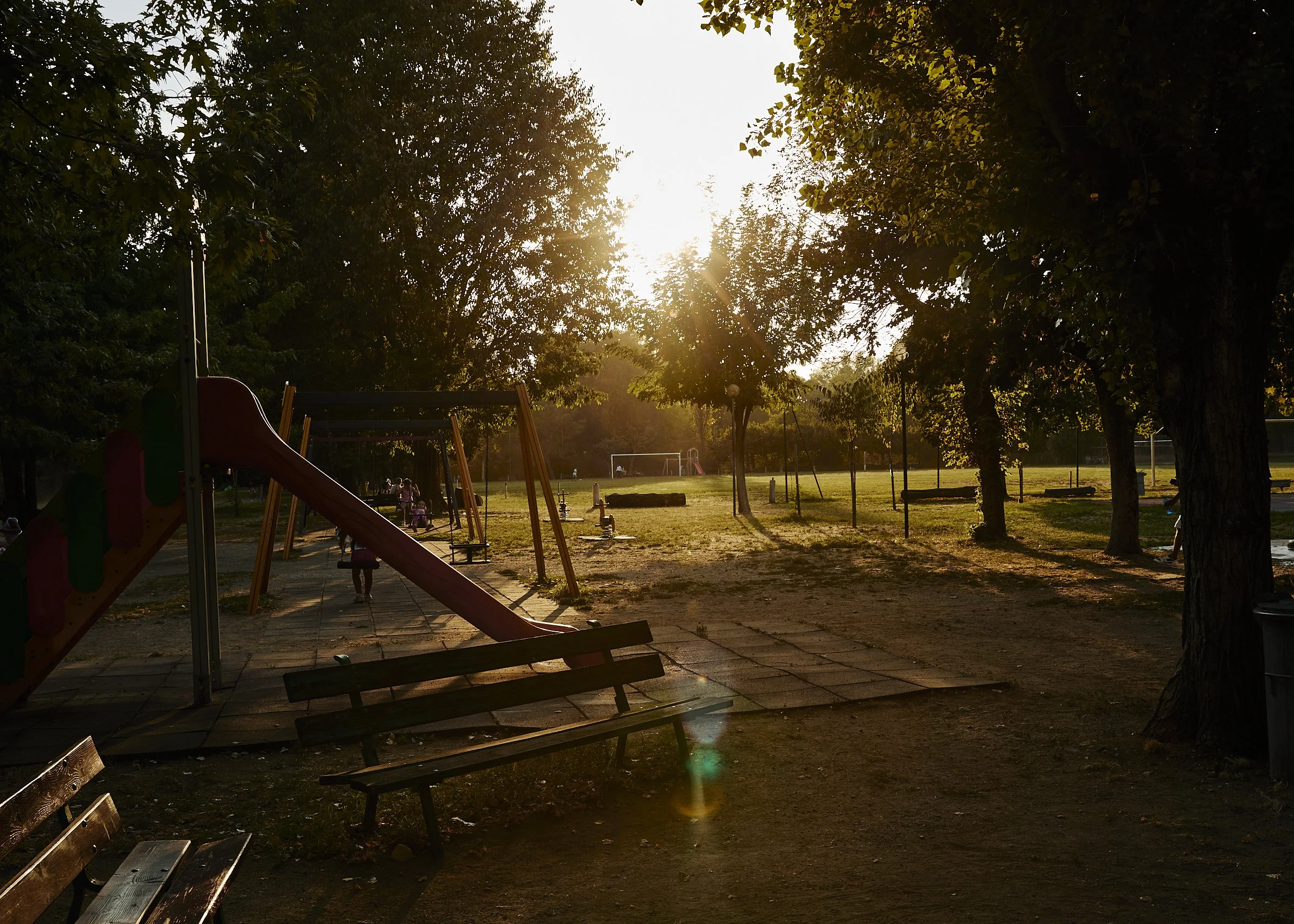
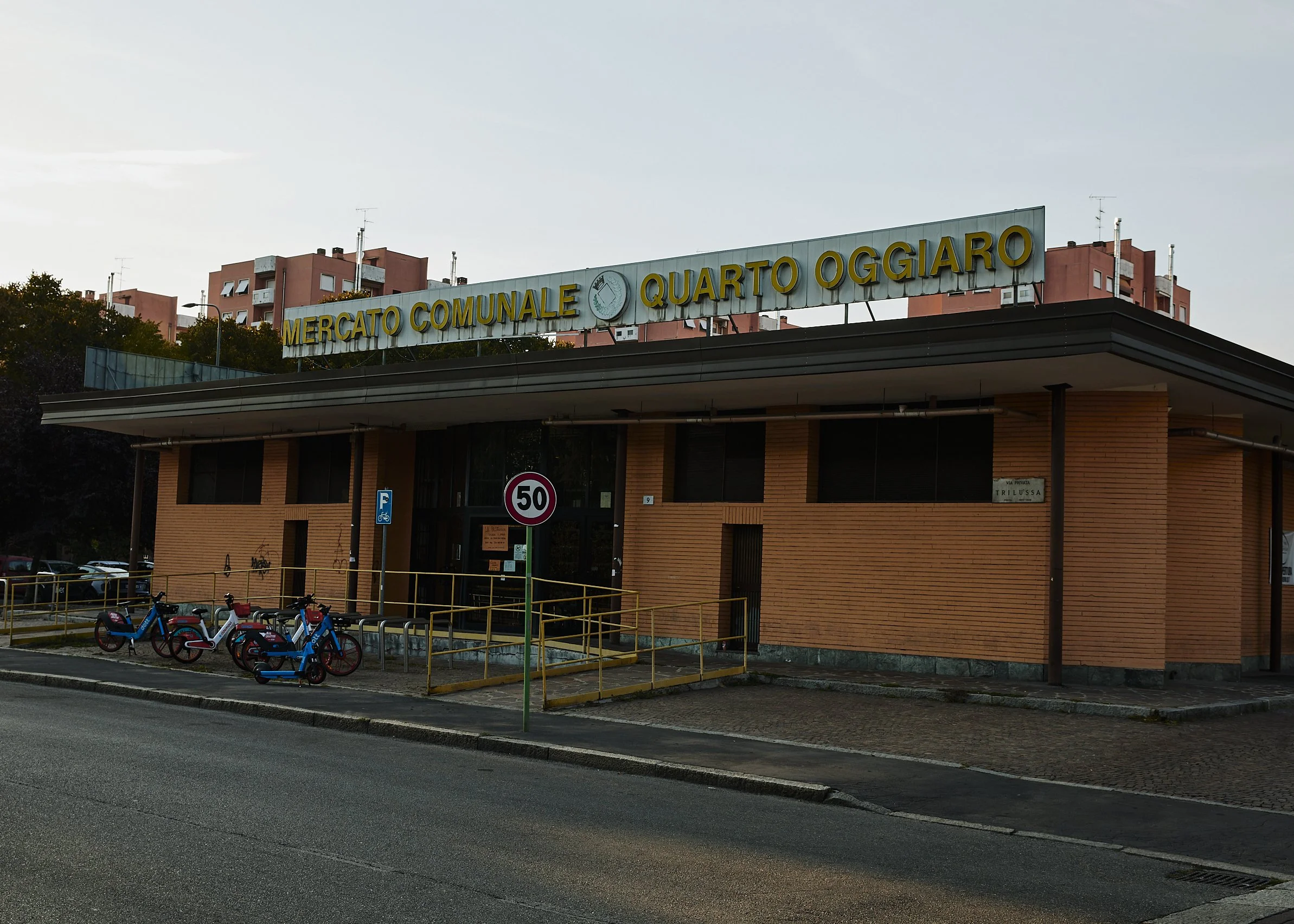
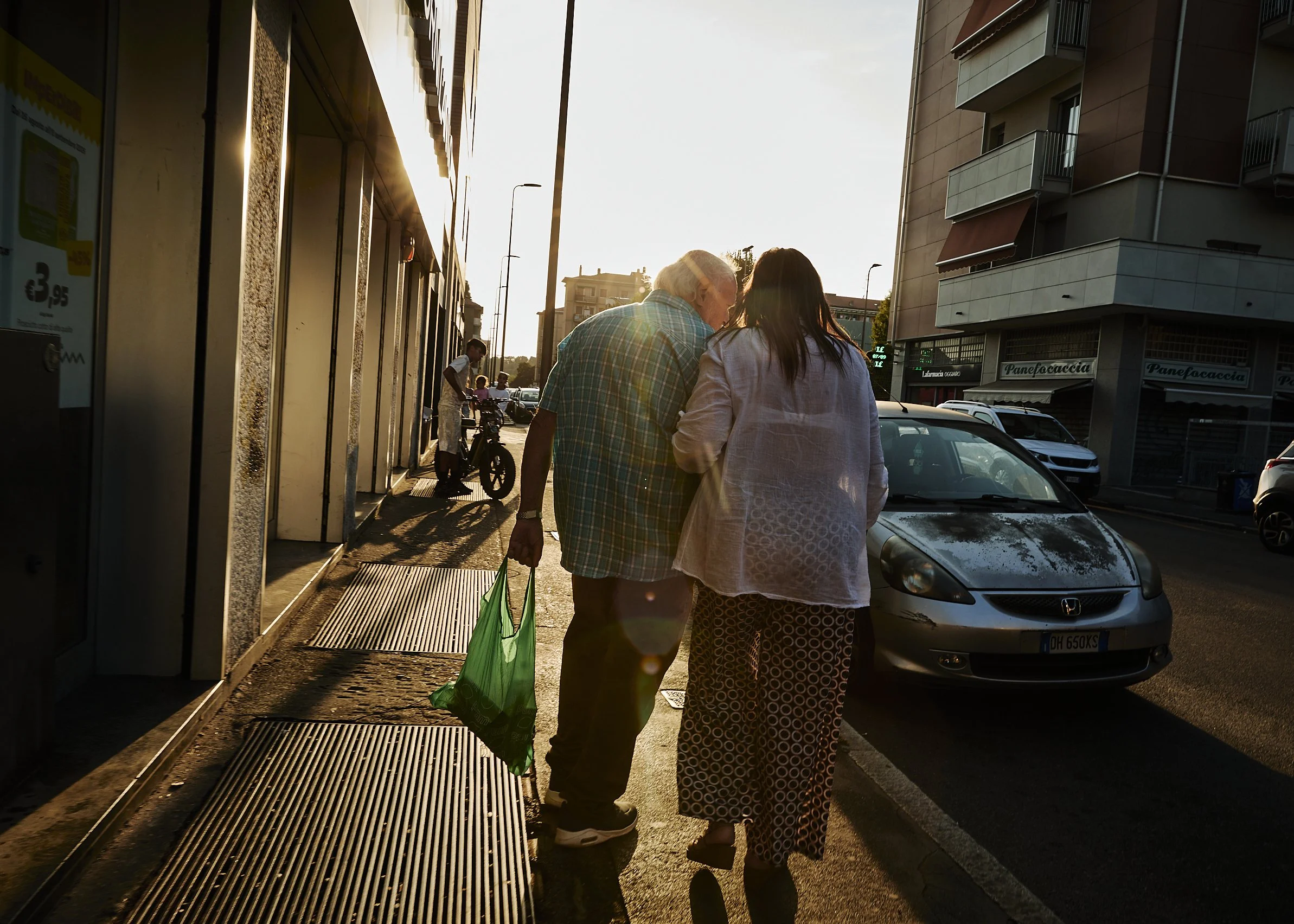
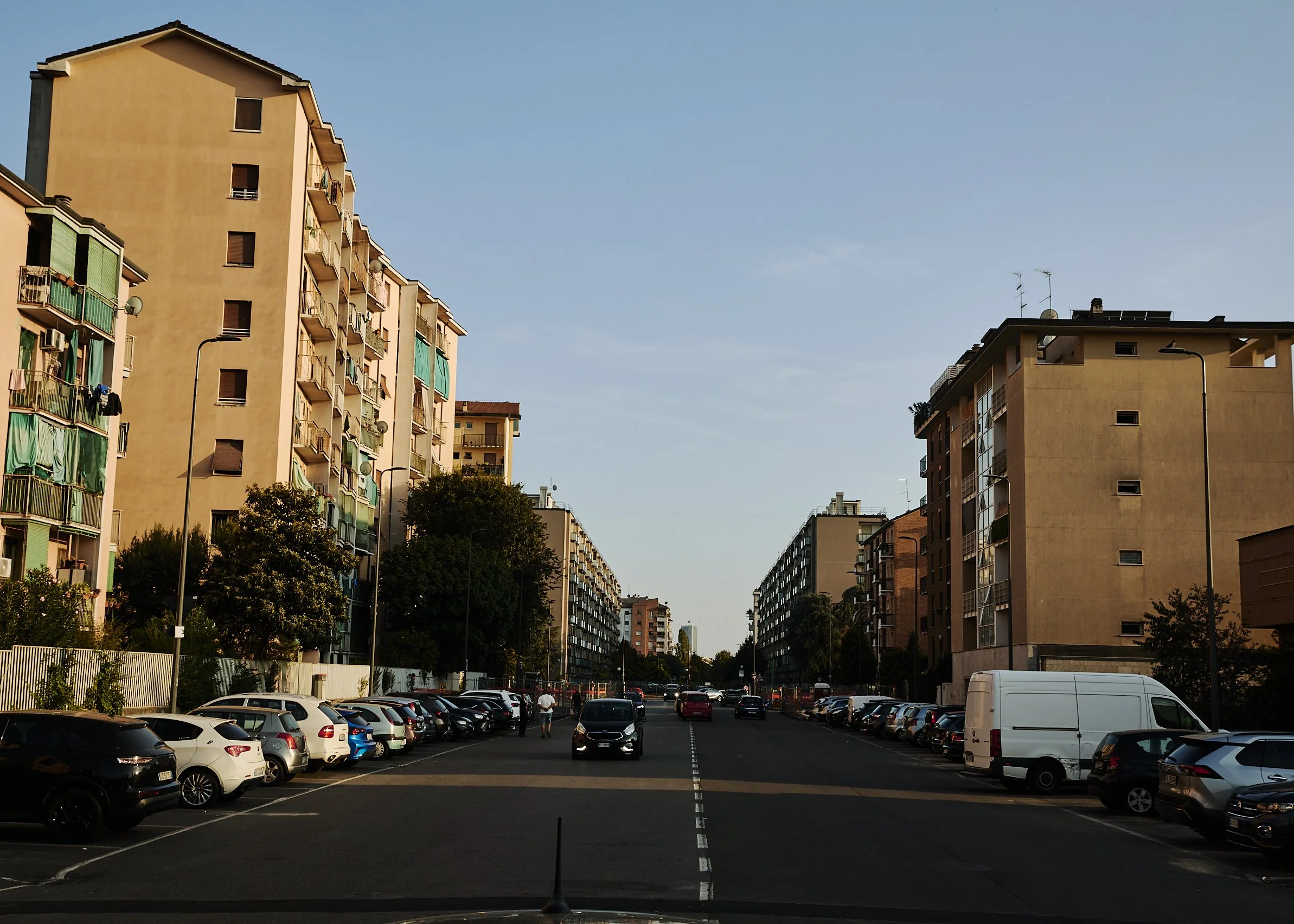
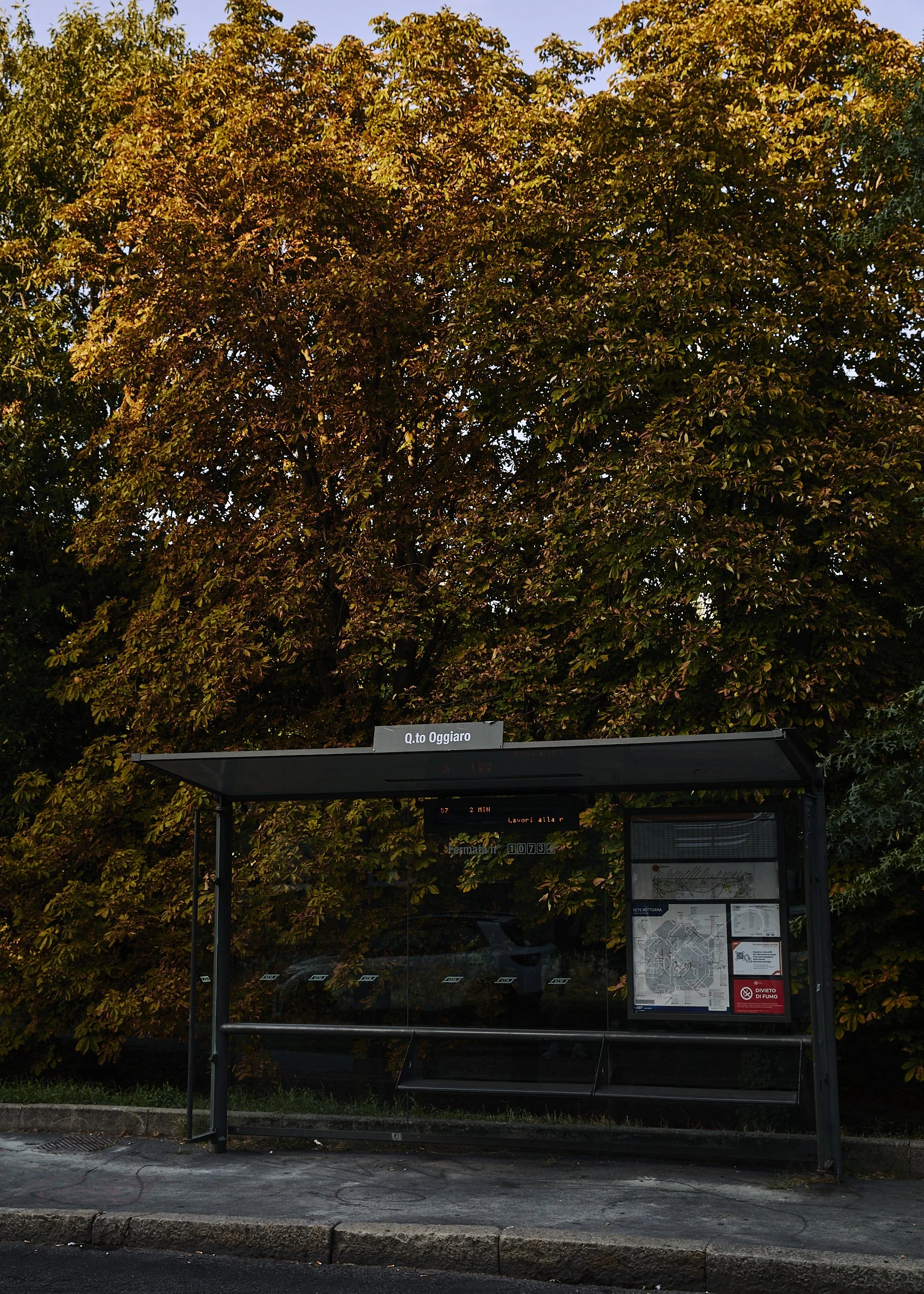
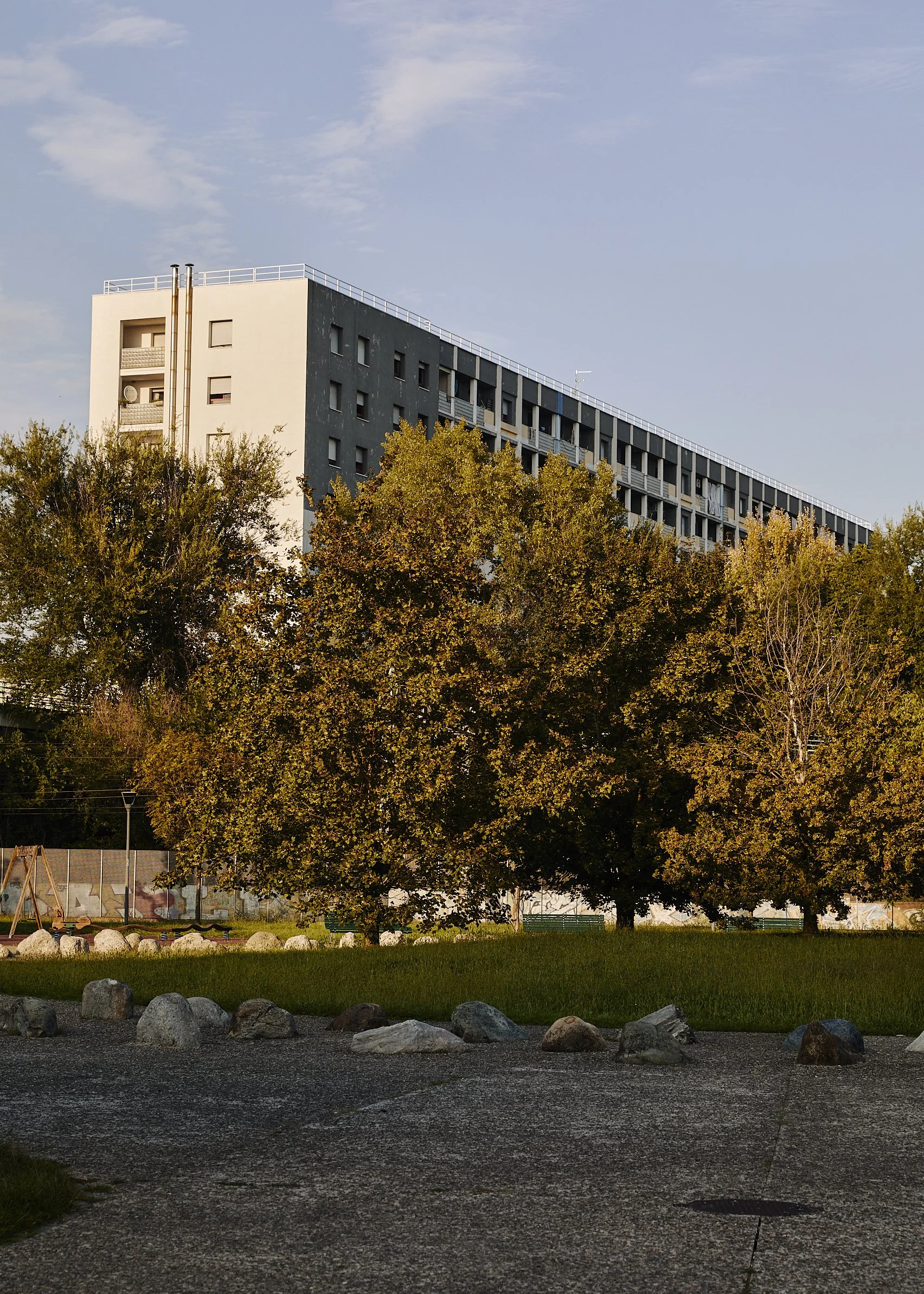
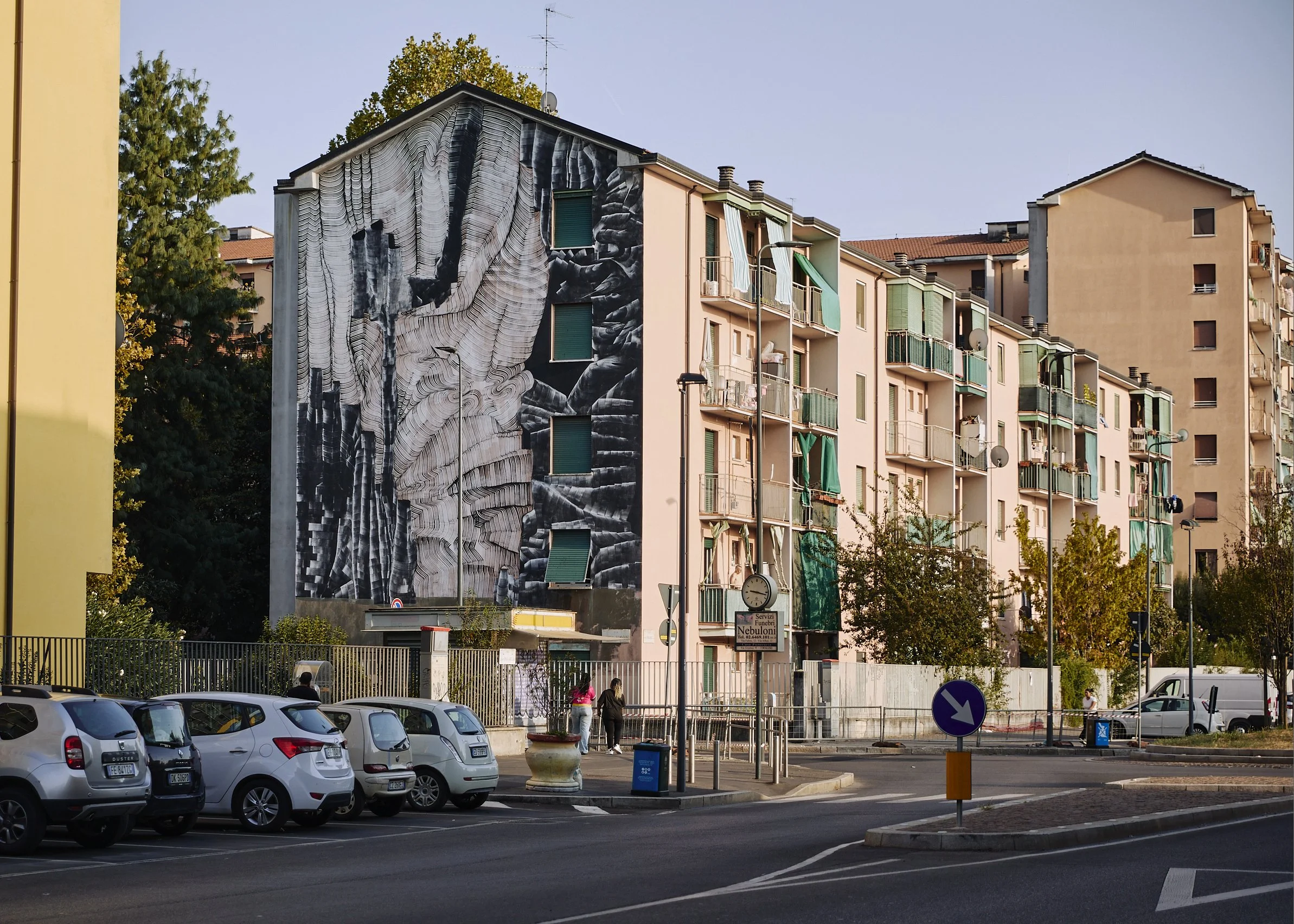
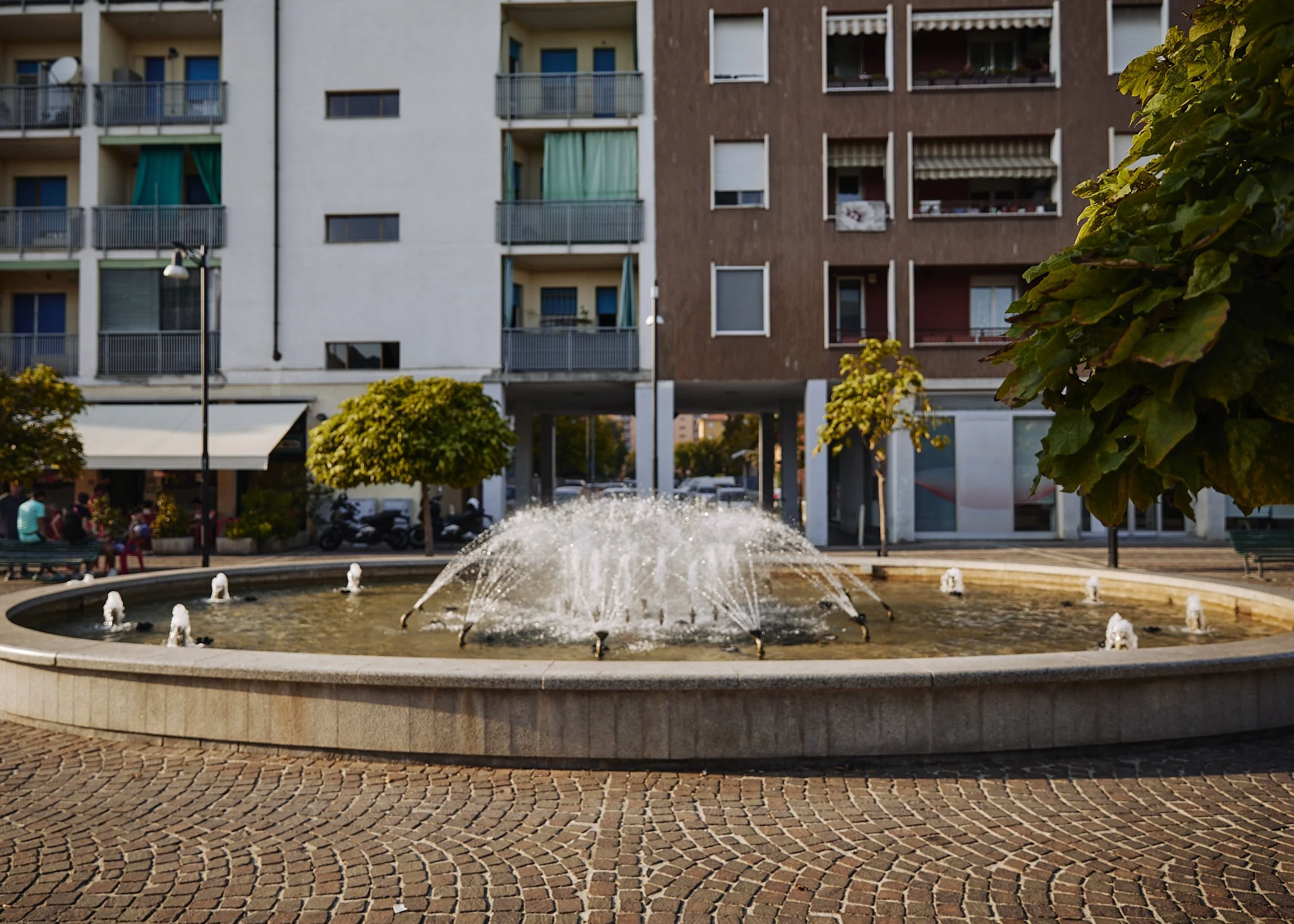
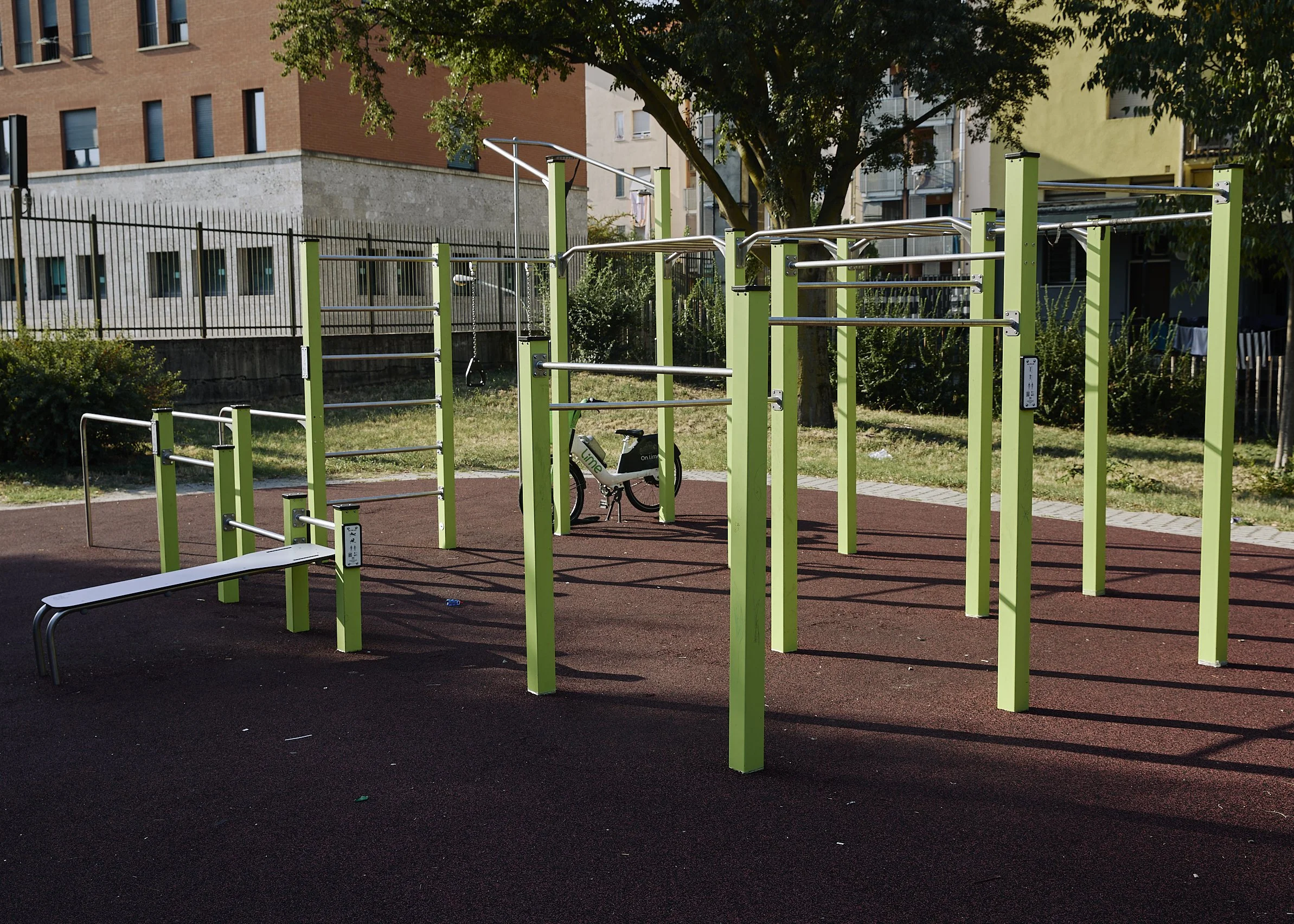
[Irene]: Yes! Living here, we understand that we have spaces that could be used for so much more—open-air cinema, games, sports, and community events. The neighborhood has resources! I’m not saying it will become a second city center, but a great place for young people and families. For example, Fabio managed to install an outdoor gym in a public garden, open to everyone. Through our work, we try to activate things that go beyond just "coffee and cards". It is not easy, but we give it everything we have because we believe in it.
[Maguette]: For people looking at Quarto Oggiaro from the outside, the neighborhood is often reduced to clichés: a rough, dangerous area. Whenever people talk about it, it's almost always connected to crime stories. But ARCI Itaca is located right inside this neighborhood. What does ARCI Itaca represent for the people who live here?
[Irene]: The idea that this neighborhood has a bad reputation really belongs to thirty years ago. Nowadays, all of Milan has similar safety problems, from Corvetto to the city center. The situation has spread throughout the entire city, and that is the real issue. Quarto Oggiaro is actually one of the quieter neighborhoods today. What we do here is difficult, but it means a great deal to us. We keep this club a clean, welcoming, and peaceful space. Our members attend, collaborate on initiatives, and build genuine friendships. It’s a place where an older adult can play cards undisturbed and where young kids and teenagers can safely spend their afternoons together, and we work hard to keep costs as low as possible.
[Maguette]: So the most important thing is ensuring there is a clean and safe place?
[Irene]: A clean, safe, and open place. I am one of the main volunteers directly in contact with people in the area every day. Even with some of the more difficult young people, I have built relationships and earned their respect. The biggest piece of work has to be done with young people. Our secretary is a street educator. Through him, a major collaboration has developed across the whole municipality to engage local youth.
[Maguette]: Do you think the work you do here at ARCI, together with other local cultural organizations, partly takes the place of institutions? Without ARCI Itaca, what would the neighborhood be like?
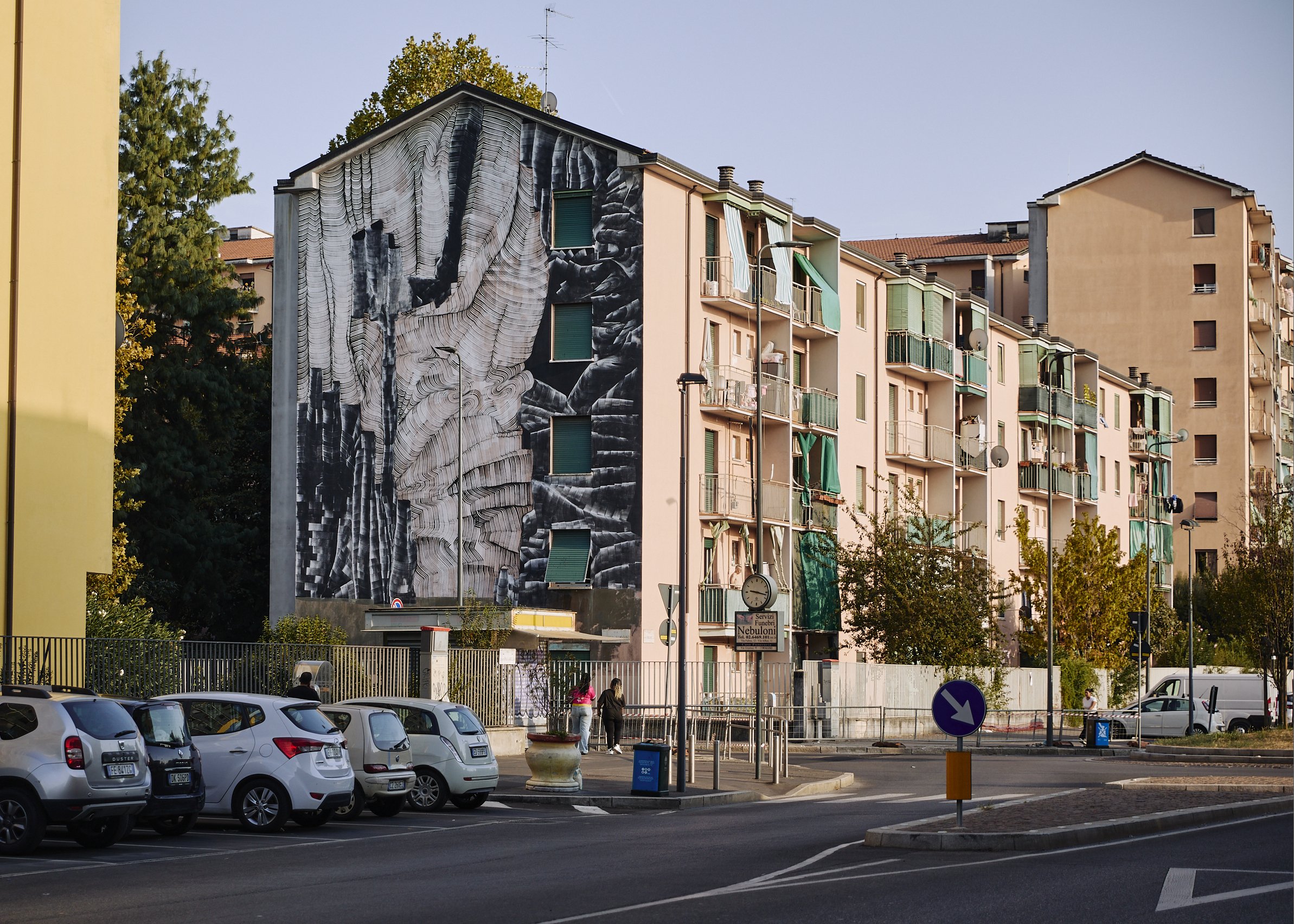
[Irene]: It would slip back into neglect. Councilor Fabio Galesi fights every day for this neighborhood—even "with a broom and a dustpan"! Our approach is personal: if someone wants to put graffiti on a wall, we say, "I’ll buy you the paint or spray cans, but you have to create a beautiful drawing together." Everything relies on his commitment and our hard work. Very little support comes from the central administration, but we fight every day to win our battles. If you don't work this way and let decay take over, you achieve nothing.
[Maguette]: One of your strongest projects is your collaboration with Bollate Prison, with inmates coming to volunteer at the bar and contribute to the neighborhood. How does this collaboration work, and what impact does it have on overcoming stigma?
[Irene]: The impact is extremely positive. There is real mutual respect. Chatting on certain evenings, people in the area who might be on the verge of making a bad decision stop and think when they speak with these young people serving a sentence. Through "Article 3" and Bollate Prison, they help keep local squares clean and assist during events. Volunteering isn't just about picking up rubbish—it's about re-entering normal society, whether at a karaoke night, a drag queen show, or a community dinner. We also collaborate closely with ANPI on joint lunches and initiatives. It places everyone in a normal, supportive environment.
[Maguette]: ARCI Itaca is also a community hub with social support desks for the local area. What kind of support do you offer to people living in the neighborhood?
[Irene]: We ran a social support desk helping people with housing issues, document filings, and school enrollments. The square itself is a network of associations: there's Mamma Bambino, Diapason working with disabilities, and Italian language courses. We join forces to support different difficulties. Even though funding calls end, I personally keep doing this as a volunteer. People know who I am; they come and ask for help, and word spreads. We also distribute food parcels in collaboration with Terre des Hommes to thirty families in difficulty twice a week. Sometimes the support is simply emotional—giving advice and listening.
[Maguette]: And you also offer this support through entertainment, by organizing different music nights, community talks, and events. Are you trying to bring together different generations?
[Irene]: We try! Even when audiences come from outside, local young people sitting on the benches eventually come closer, and I try to bring them in. It's not easy, but you must never give up. We put up posters and talked face-to-face. When local residents see people coming from other parts of the city to our events, they show even more respect. They realize that our work goes far beyond serving coffee. Naturally, there are only a few of us, and we need younger generations to help us out and bring new energy!
[Maguette]: Quarto Oggiaro is home to many young people who often spend their social lives in the city center. In response to this, the Mosaiko Block Party was born. What does having an event like this in the neighborhood mean for ARCI and for you personally?
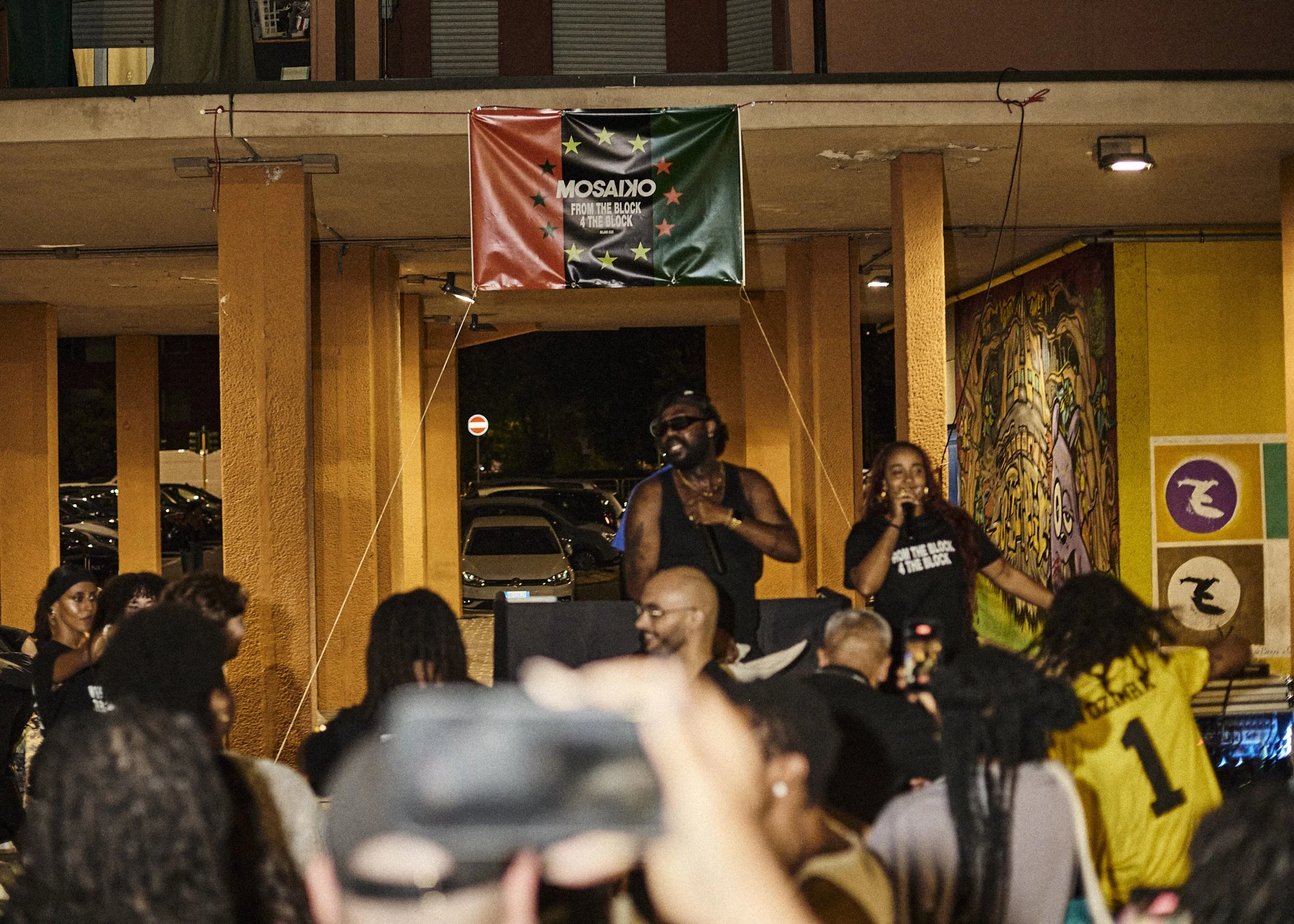
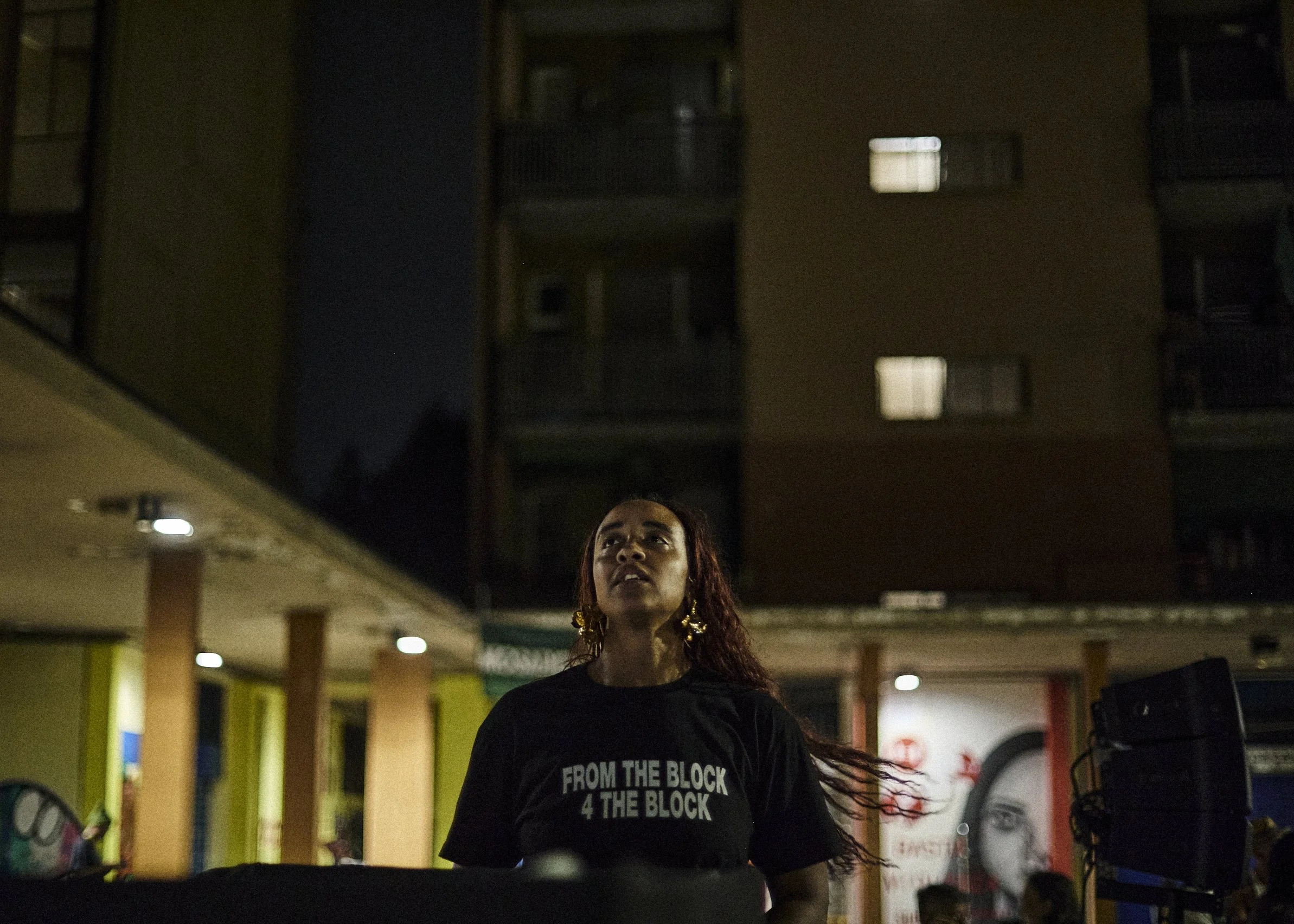
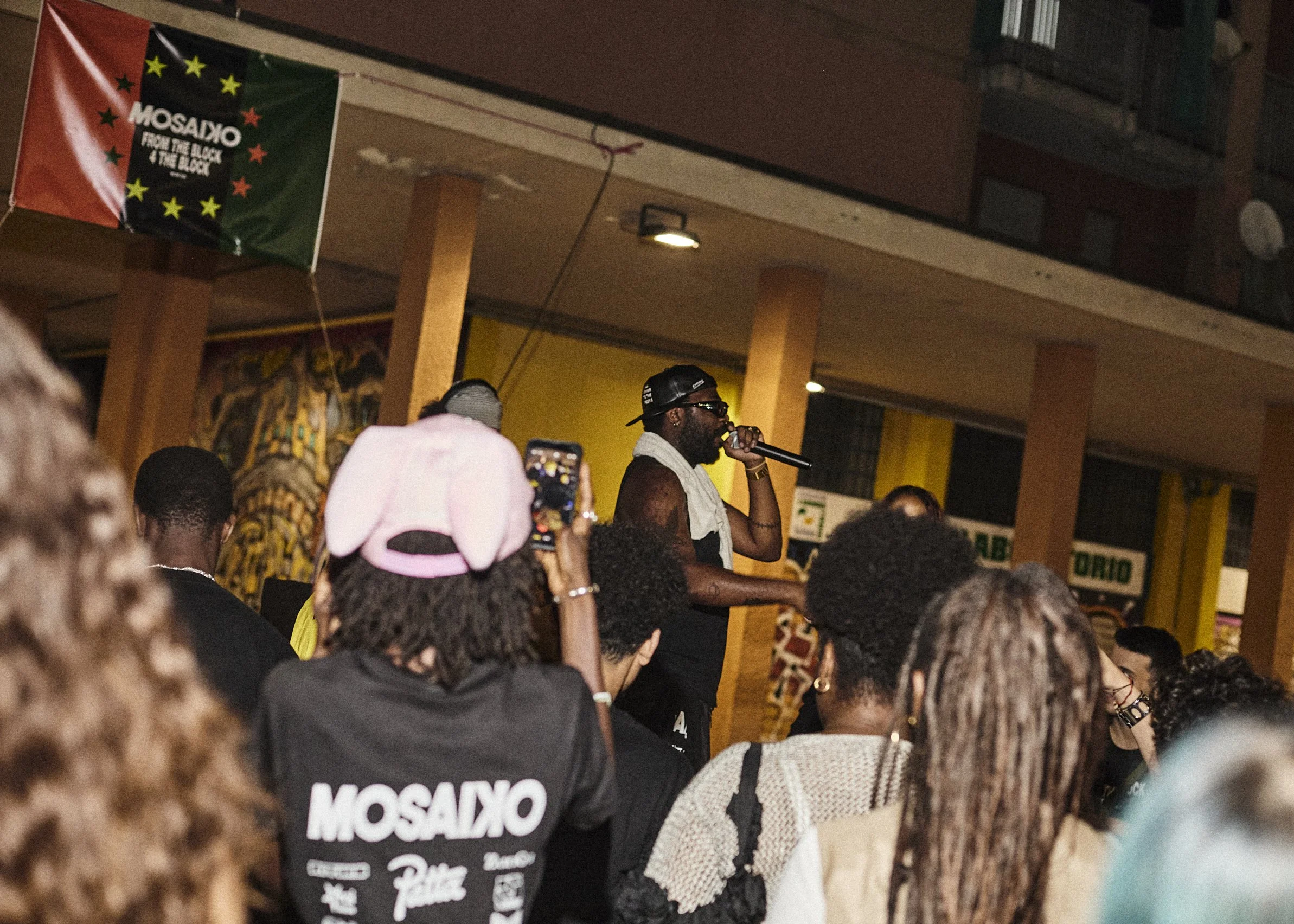
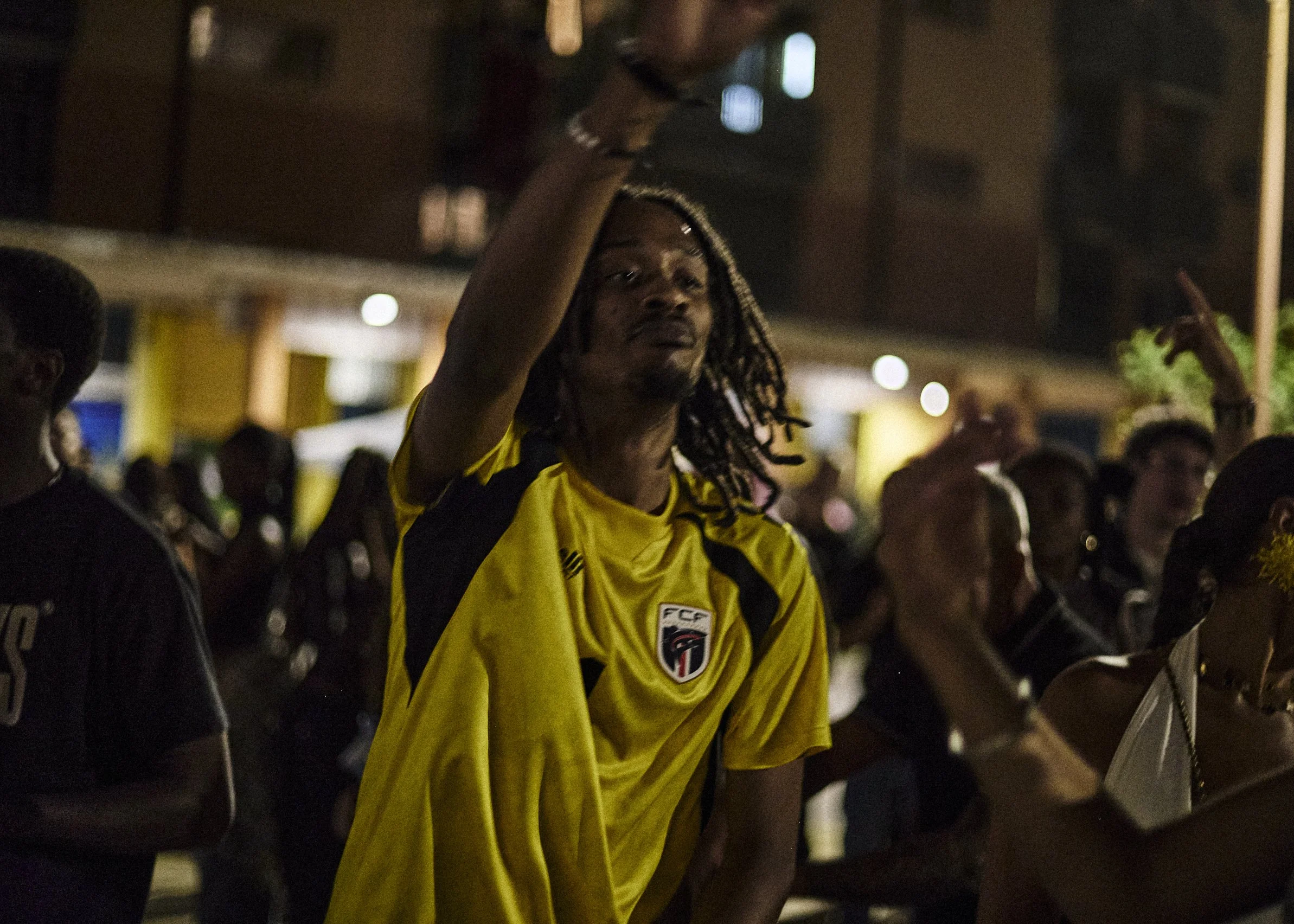
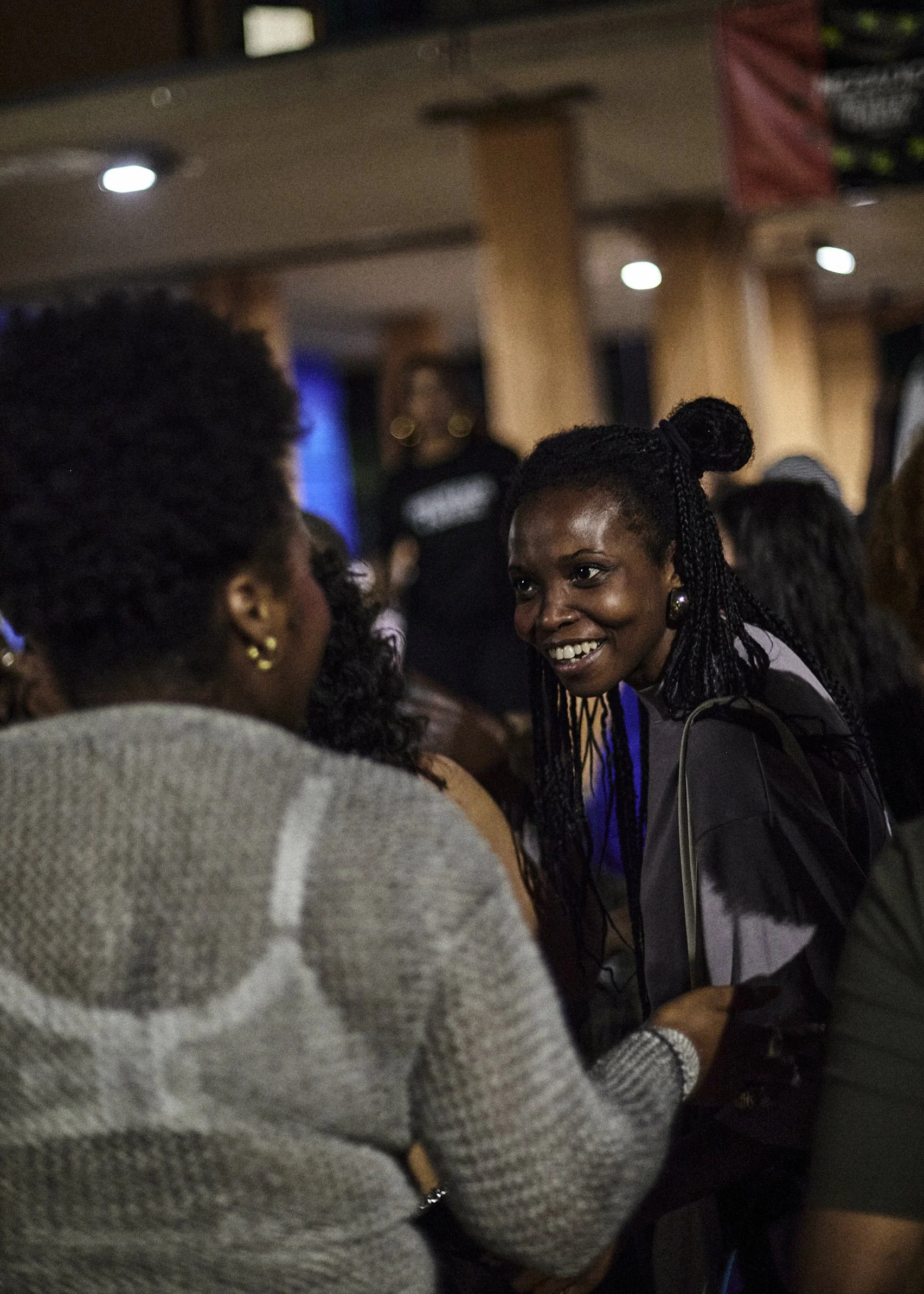
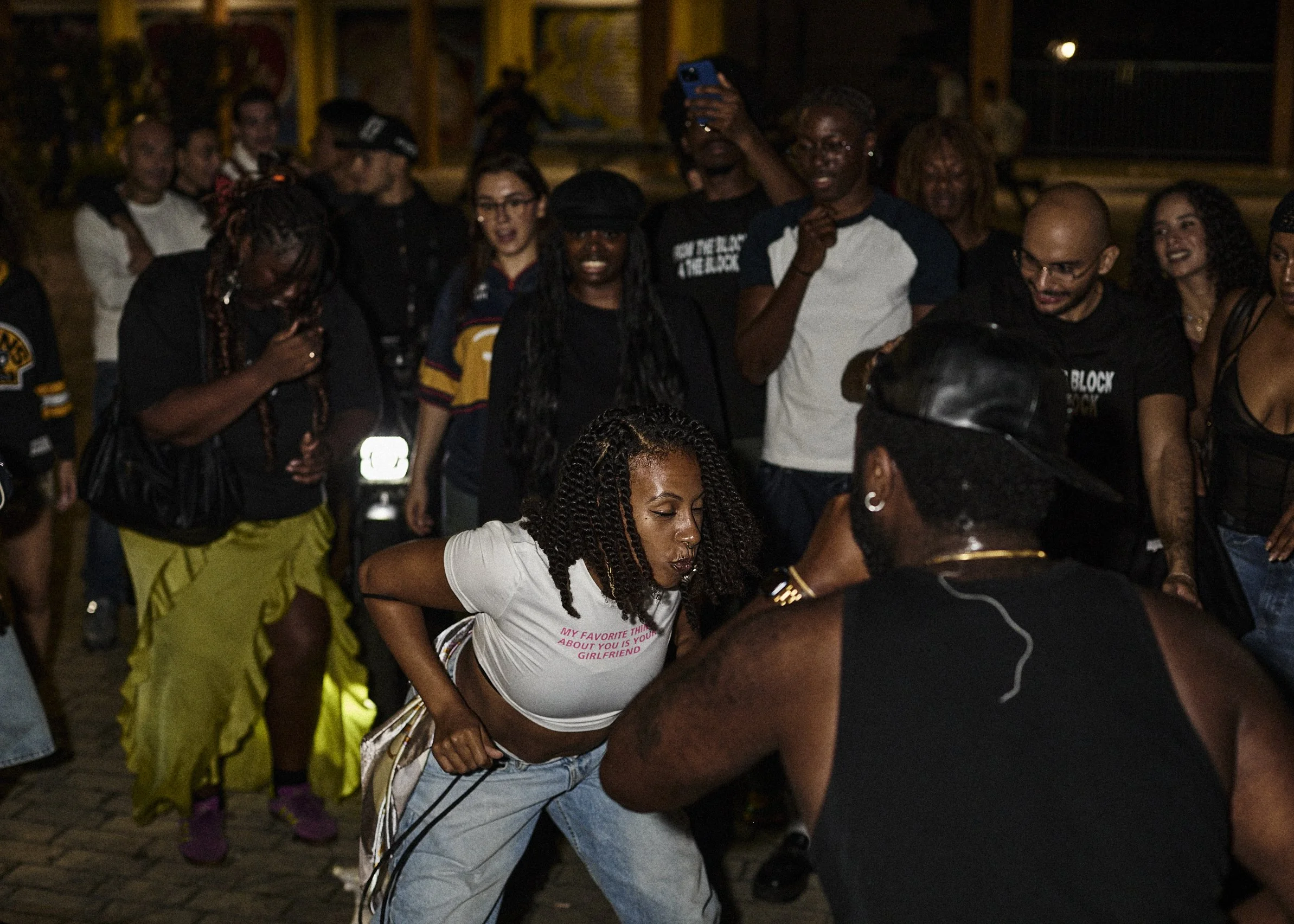
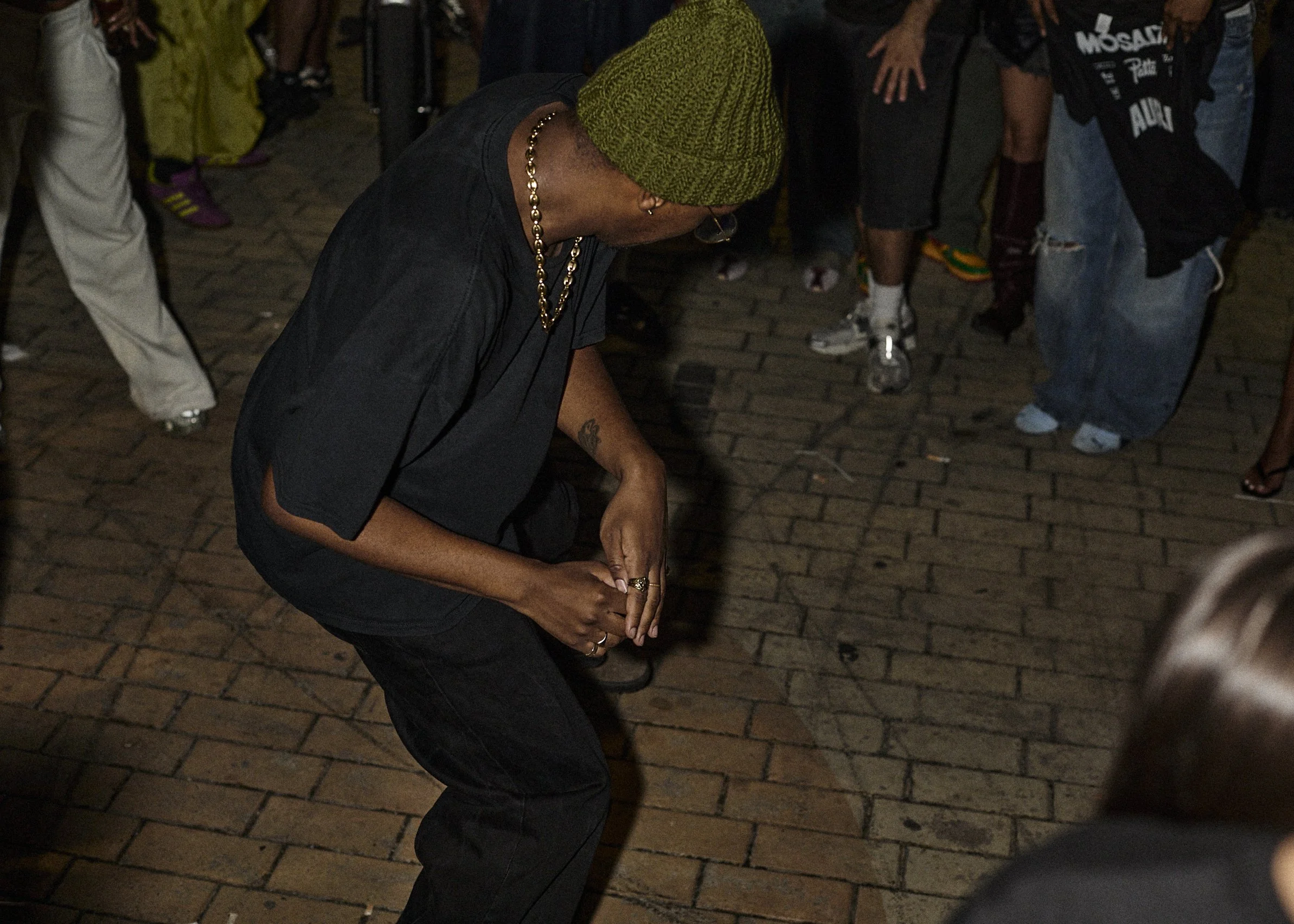
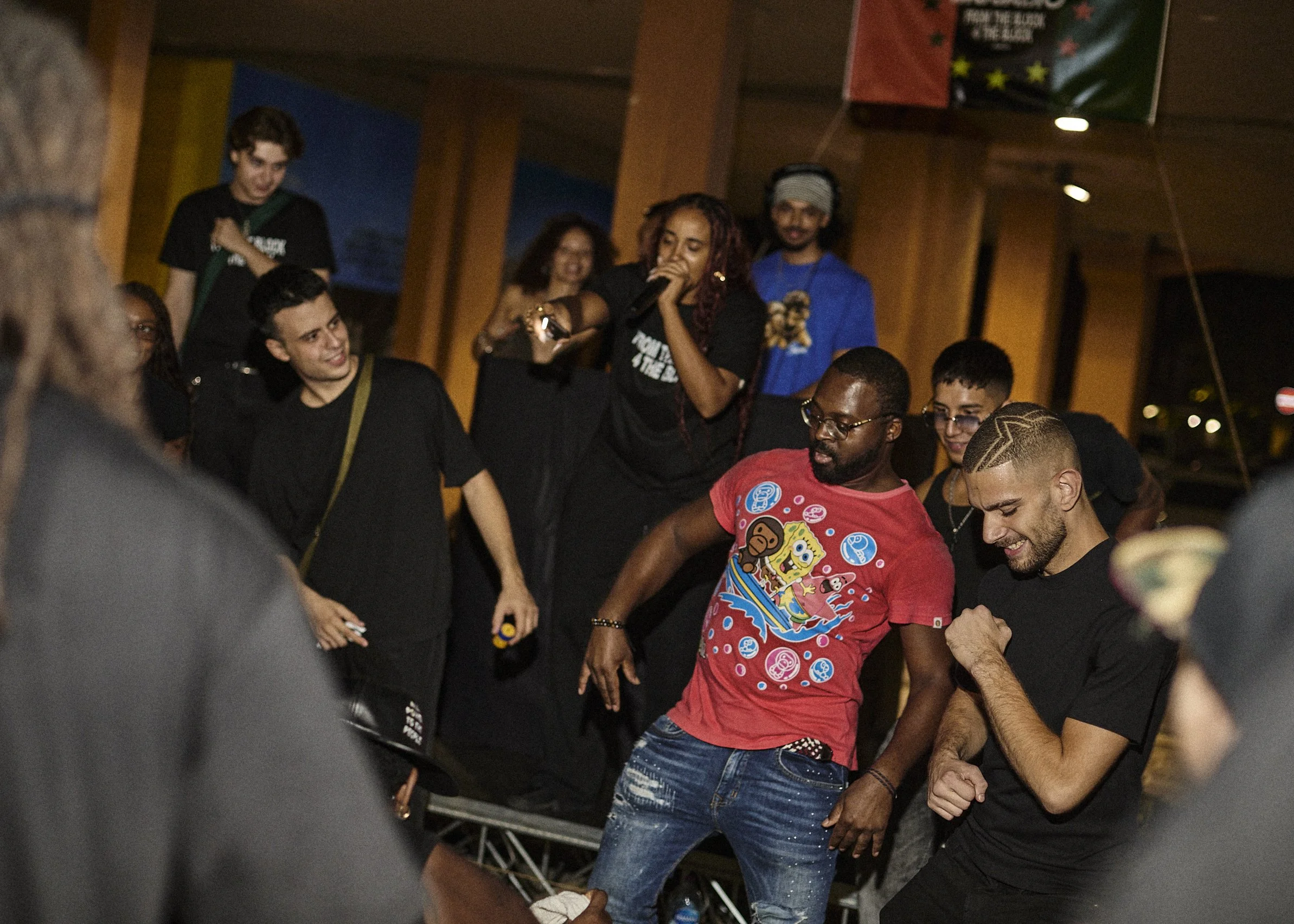
[Irene]: It excites me enormously! Not only because my daughter is involved, but because I think it represents a major turning point. Nothing like this has ever happened here before. Bringing that kind of audience to Quarto Oggiaro is a big deal. In the city center, organizing things is easy. Here, it is a challenge—and when you succeed, you take home something truly meaningful. I used to spend a lot of time in social centers on the outskirts: if you know how to work in those spaces, you achieve great results.
[Irene]: We don't need a fancy,
glass-fronted venue where you have to wear high heels to get in.
We need conversation, community, and preventing young people from getting lost. We put ourselves right in the square. An event like this means a family with limited means can come down with their kids and experience something vibrant without needing to spend money or take a train to the center. That is our goal.
[Maguette]: If you had to define ARCI Itaca’s mission for the coming years in just one sentence, what would it be?
[Irene]: Keeping life, dignity, and real human connection active in the neighborhood. Keeping everything going isn't easy with electricity and rent costs, but every few months we come up with new projects and ideas to give ourselves another push. We are here with huge enthusiasm, open to everyone, and dedicated to keeping this neighborhood alive throughout the year.
[Maguette]: Keeping life in the neighborhood. Thank you!
