

Coco Calypso’s New Single, ‘Lips’: From Caribbean Rhythmic Drums to Berlin’s Basslines
Exploring narratives of passion and identity with Coco Calypso
Interview by Mariana Ferro

Credit: @jamila.kae
Percussive, bass-loaded drums echoing from the streets of Carnival to Berlin’s bursting electronic scene, Coco Calypso (@claireprofile) brings her signature sound into the club with her new single ‘Lips’. Coco is among the first German artists to introduce this fusion in her artistry, blending Bouyon’s rhythmic beats with German vocals.
We recently sat down with Claire Theresin to talk about her release and dive into her craft as a DJ, producer, vocalist and multidisciplinary artist. A true island girl rooted in Martinique, her work bridges Afro-diasporic sounds with deconstructed-club beats and electronic blends. While guiding us through her cross-continental sonic journey, Coco unpacks ‘Lips’ – a track made to elevate the club’s unapologetically hot, sexy energy.
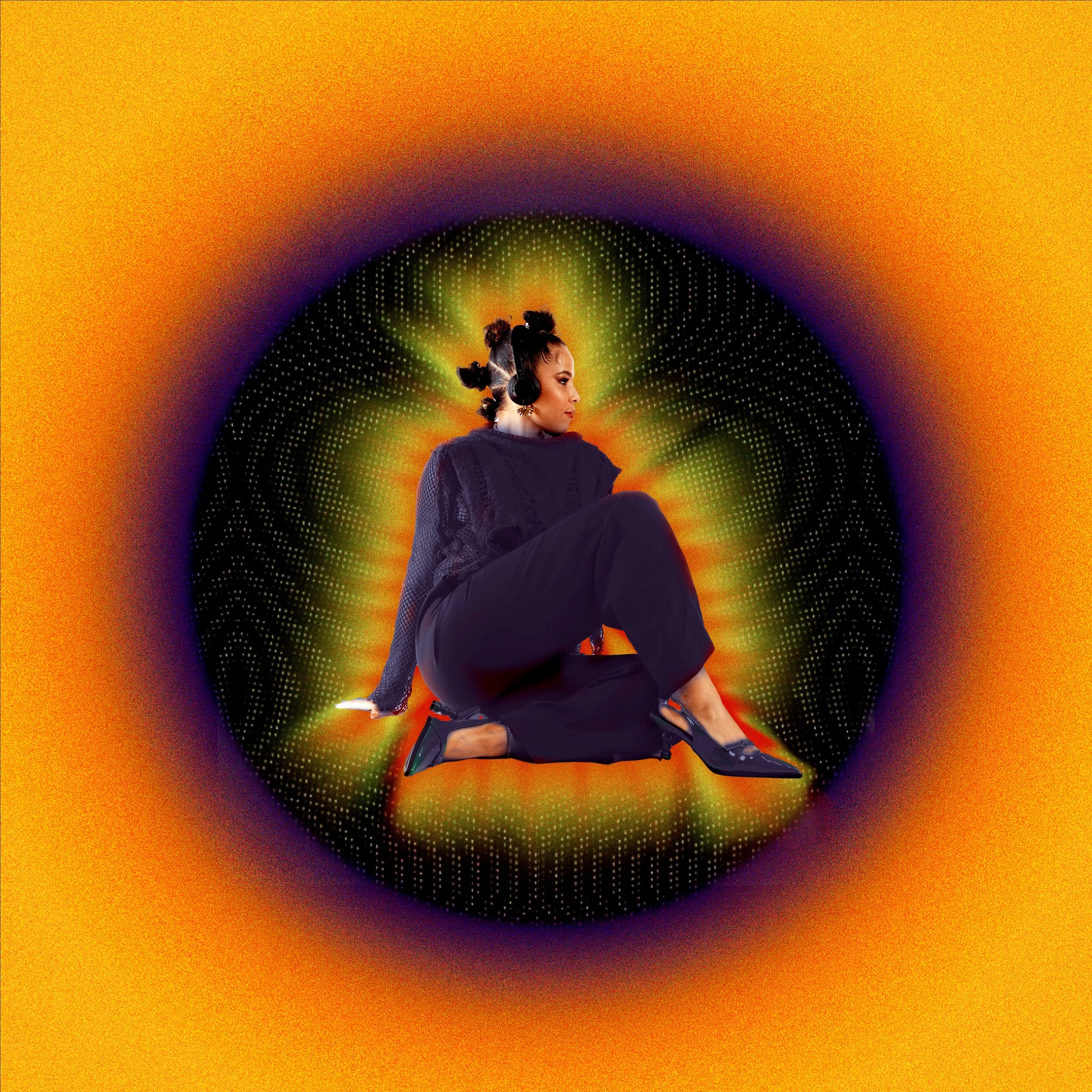
‘Lips’ cover art by @mmmeow44
Hi Claire, for those who don’t know you yet, can you tell us more about yourself and your new single, ‘Lips’?
C: My artist name is Coco Calypso, I’m 23 years old, born in Berlin with Caribbean heritage from Martinique and Guadeloupe. I recently came out with my single, ‘Lips’, a Bouyon rhythmic track with German lyrics, produced by Owen Ross, that reflects the sounds I play in my sets. I’ve been DJ’ing for five years, and I’m now working as a vocalist, aspiring producer, and also taking a more multidisciplinary approach by curating events and producing merch through 3D product design. I’m also an anthropology student in Berlin, where I do research about carnival culture, which is inherent to the sounds I play.
Releasing my own music still feels relatively new for me. With ‘Lips’, I’m also stepping more into performing, by sort of putting that stamp out there as the first Bouyon artist from Berlin. In my first track, ‘Pull Up’, I leaned into ghetto-tech, footwork-inspired club sounds as a tribute to Berlin nightlife – made to hype and empower the girlies. Though both tracks so far still feel like introductions to who I am, and Bouyon is not the only genre I play, it’s really become a signature sound in my sets.
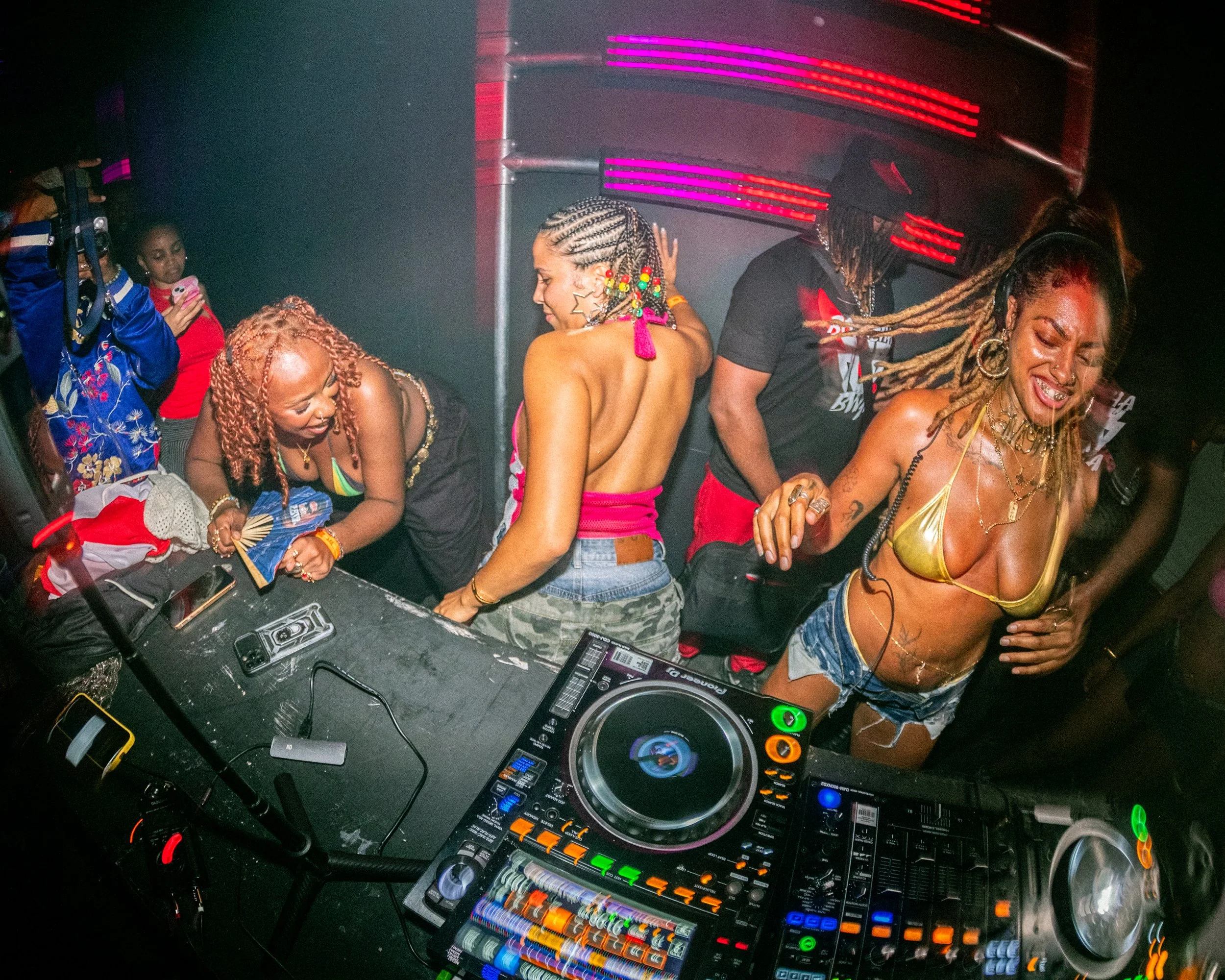
London Carnival Pre-Party with Psycho Calypso x Tsunamy x Xotix in Brixton. By @louploup___
How does bringing your own vocals and lyricism into your work shift your relationship with sound – beyond DJ’ing, producing, and MC’ing?
Where should I start? I’ve made many different styles of music before releasing what I’m putting out now. But for years, I felt torn about releasing it even though I loved what I was making – it just didn’t feel aligned with my musical identity as a DJ, it felt like two separate projects. Now, I’m releasing club-ready, fun songs because it feels right to put out music that I can actually play during my sets. It also gives me the chance to be more present on the mic. Apart from the hip hop or Afro-Caribbean scenes, it’s become unusual for DJs to speak, look, or even have some form of personal interaction with the crowd beyond the musical exchange, because DJs are often so immersed in their craft and sets.
I want to have more of this authentic exchange, where the crowd feels like they actually met the person behind the decks, or at least make that distance a bit smaller. It’s also a way to elevate the atmosphere and open people up, which is why the songs that I’m releasing kind of serve that purpose.
On that note, my boyfriend once said something I found really true: clubs are also spaces of healing. In general, cultural spaces, especially club spaces, get very little institutional recognition, even though they’re places that welcome so much social interaction. Clubs are made for you to have fun, release, and connect.
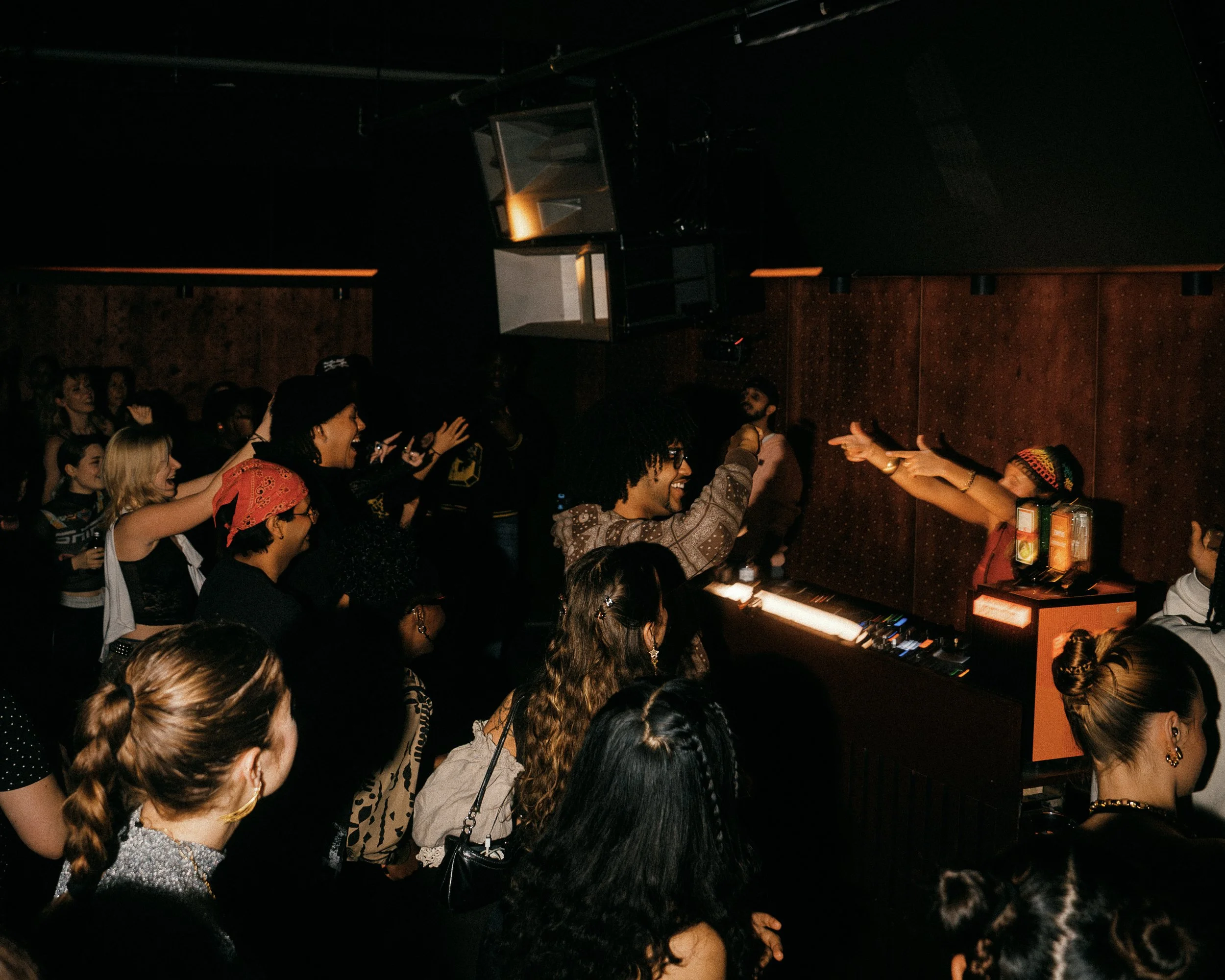
Coco Calypso with the crowd. By @cartiyee
As a big music enthusiast, how did you first get into DJ’ing, and how would you define your sound today?
From a young age, I’ve always been immersed in music. My parents are both musicians, and they’ve always encouraged me to nurture my musical side. My brother, Paul Souljoyce, who is also a DJ and Producer, had a big influence in the start of my journey as a DJ and was also the first person I recorded songs with. In recent years, I’ve been getting more into sounds from my islands – with genres like Bouyon and Dennery Segment – which has helped me to better outline and define my musical identity. At the same time, pushing these genres representative of my Creole heritage from Martinique and Guadeloupe allows me to use my voice as a DJ to raise awareness and increase visibility around these sounds. They’re very rhythmic, heavy in drums, and carry a highly infectious energy that is especially suitable for the club.
So is this where you’d place your sound today – both as a form of cultural representation and as a way to ground yourself in your evolving identity, shaped by multiple influences?
Yes. Bringing different genres into conversation with one another really allows me to express various facets of my personality, especially coming from such a multicultural background. I was born and raised in Berlin, but I also lived in Paris and London, and I’ve been travelling a lot since a young age. Being exposed to so many cultures naturally makes your personality multifaceted, and I feel like many people can relate – having layered identities, mixed emotions, and different cultural references all existing within one person. As an artist, I want to honour that and bring those worlds together through my sound. Behind the decks, I’m passionate about curating a sonic journey where different styles and genres collide to create something new that still resonates with people.
How did your musical and creative identity develop – from your early influences to finding a clearer artistic direction?
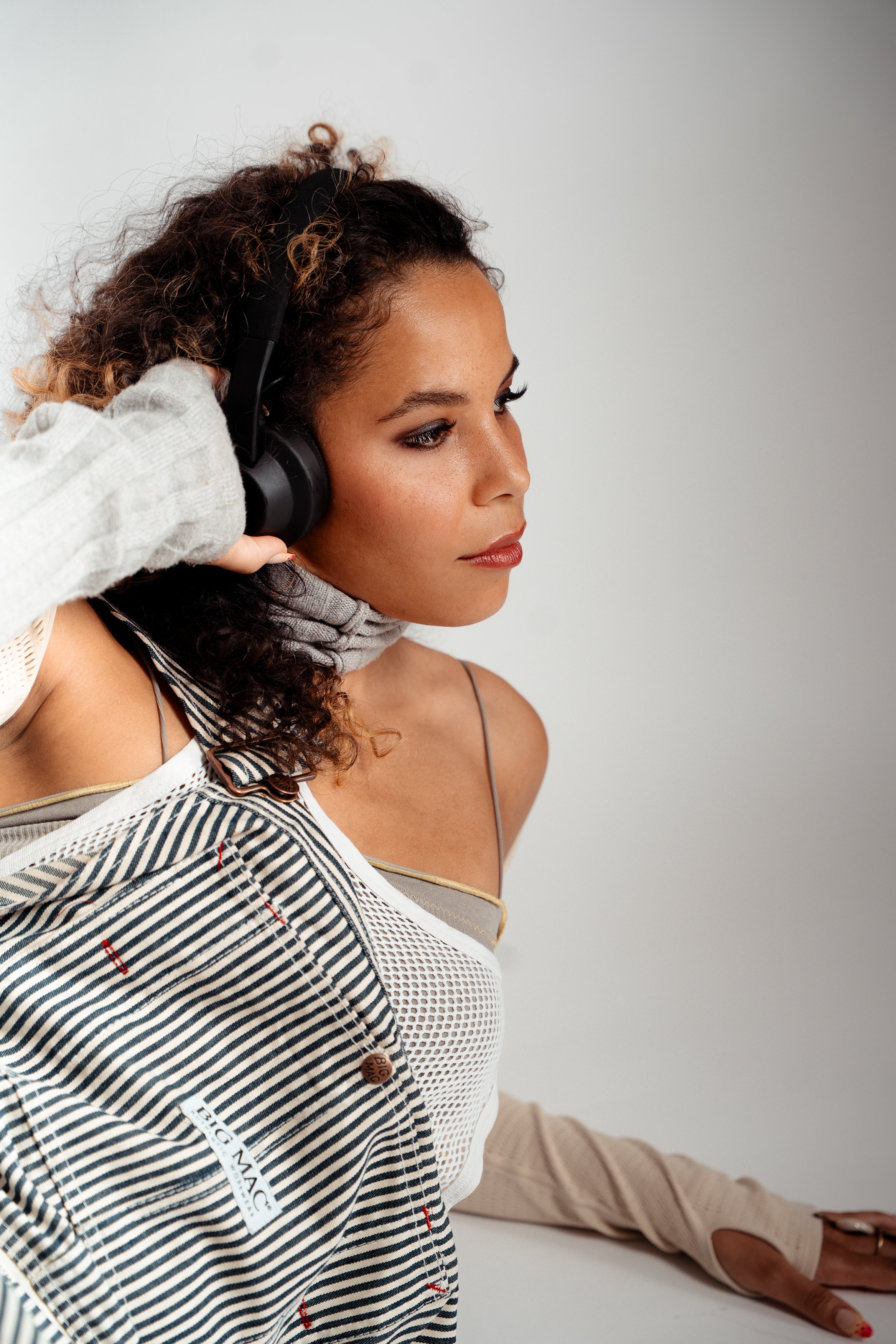
Photo credit: @jamila.kae
Growing up, I was surrounded by very different musical worlds – with my dad, a drummer who leaned more toward Caribbean and Creole music, and my mom, a bagpipe player who played more traditional folk music, almost medieval-sounding. So I’ve always been surrounded by a vast range of sounds. When I first started DJ’ing, that naturally translated into my sets. I was really playing everything – from more dominant genres to whatever I was listening to most at the time, such as Trap, UK sounds, R&B, Global Club, Afrobeats, Bass, and more. But because it was so broad, I felt the need to establish a clearer blueprint for myself – not a strict label per se, but a red line that could guide and ground my identity as an artist. Having a more concrete direction doesn’t limit you; it simply gives people a clearer sense of your sound, your intentions, and your artistry.
Reflecting on your international upbringing, how do Berlin’s techno and electronic scene and your Caribbean roots come together in your music?
So even though Berlin is a very multicultural city, you can definitely tell that techno and electronic music are predominant, which also makes it quite hard to establish yourself musically beyond those genres. In general, there are just fewer Afro-diasporic, and especially Caribbean parties in Berlin, and it’s harder for black parties to get access to mainly techno clubs and spaces. For me, blending diaspora sounds with techno and electronic elements is also a way to increase representation and diversify the music landscape in Germany.
Caribbean music has also deeply shaped a lot of the electronic music genres that exist today and that have their roots in Black music – so it’s my way of re-owning that sound and honouring its heritage. I like to combine Caribbean music and rhythms with electronic sounds, which have a lot of parallels, and they work really well together – something you can hear in Bouyon’s steady 4/4 kick.
How do you keep innovating your sets and pushing your artistic boundaries forward?
The way I see it, innovation always builds on what already exists – things get revisited, reinterpreted, or used as inspiration – just like how genres evolve. Soca laid the foundation for newer styles like Dennery Segment and Bouyon. These genres come from our generation: using traditional carnival music and its layered drums, but adapting it for the club with rap elements. It eventually formed a new wave that is now trending and expanding beyond the islands to a more international scale. Non-Caribbean artists and people from the diaspora are all putting their own twist on it, and that’s exactly where I see myself. Being part of the diaspora also inspires me, and I combine it with the influences I’ve had growing up in Europe.
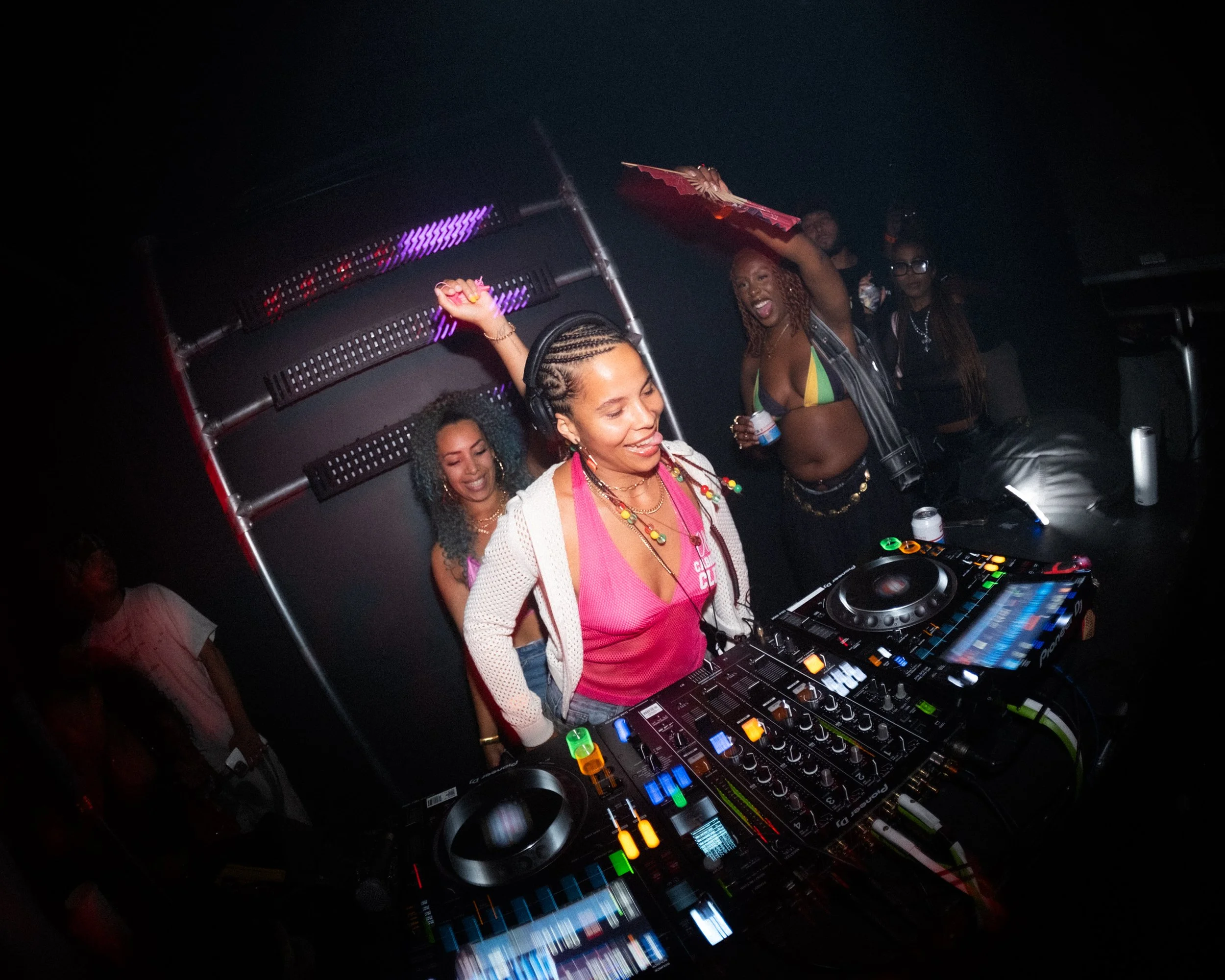
Credit: @louploup___
Can you tell us more about Psycho Calypso, the DJ collective you co-founded with your brother, Paul SoulJoyce? How do you see it reflecting both your shared heritage and your creative bond?
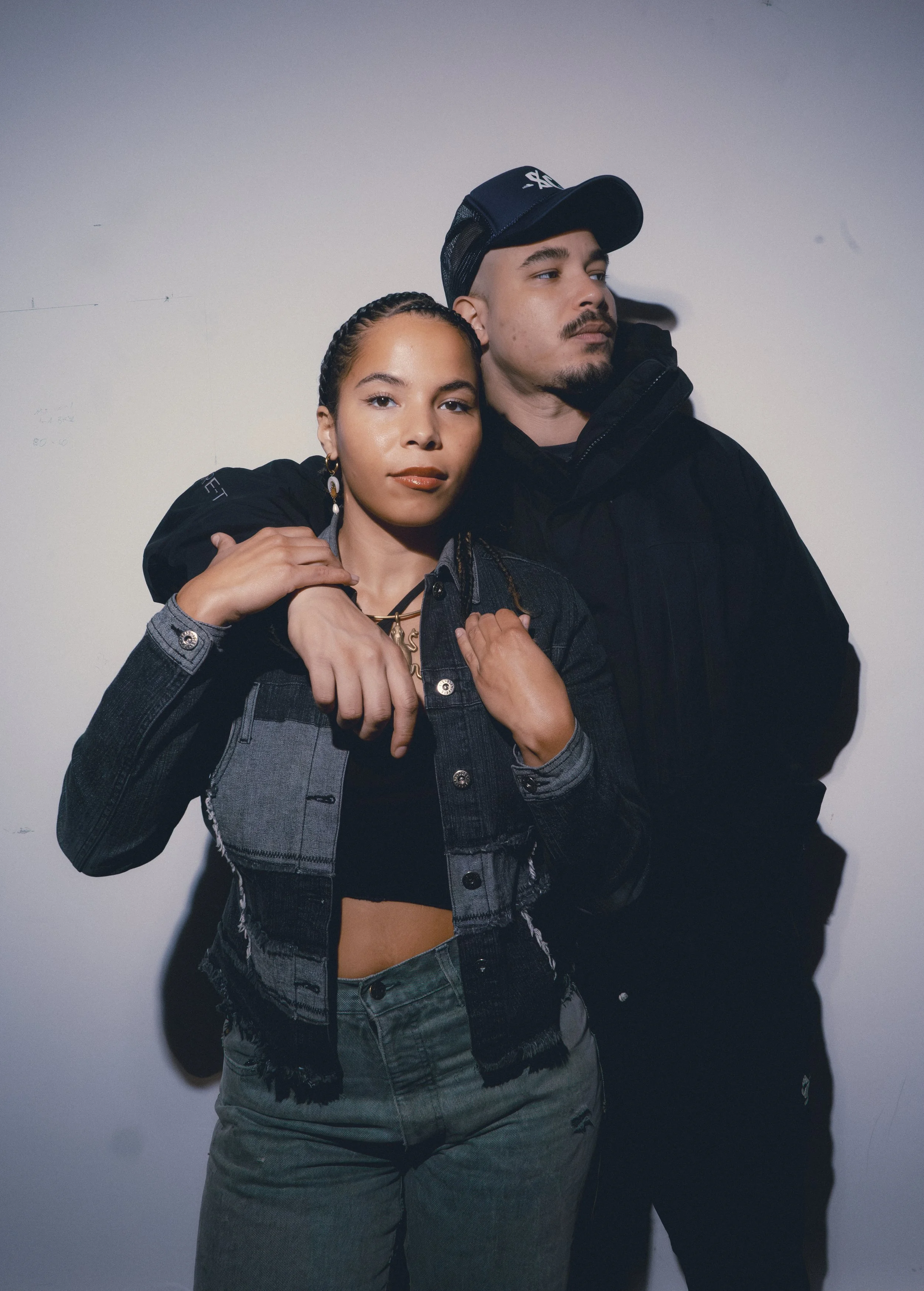
Photo credit: @mambakasarod
We thought it would be cool to start a project and party series called Psycho Calypso, where our main mission is to showcase how Afro-Caribbean sounds and culture is being innovated today. We take a multidisciplinary approach, from curating events, our Oroko Radio show to releasing music, where we explore carnivalesque club sounds — to documenting carnivals on social media, and designing lifestyle products.
The Calypso Comb is our latest item and the first in our hair accessory line, which focuses on empowering Black hair. We reimagined a cultural icon through an unprecedented 3D design, printed and finished by hand, paying homage to Karaba, the witch from the film Kirikou and the Sorceress by Michel Ocelot.
Our products combine art, style, and utility, anchored in cultural storytelling and encouraging people to wear their natural hair with pride.
As Psycho Calypso continues to grow, how do you see yourselves working with independent cultural platforms like Oroko Radio and other spaces dedicated to representation and cultural preservation?
We wanted to have a radio show as a consistent musical outlet, and Oroko Radio aligned perfectly with our vision. Their mission is to give a platform to people from the Afro diaspora – not only to showcase the sounds they represent, but also to highlight emerging ones. That’s what makes such platforms so important: they act as hubs where people can help each other grow. It’s a two-way relationship – a platform needs people to grow, and people need the reach. Having an online presence also allows these stories to be safeguarded and archived through oral form. If you look at history, so much knowledge has been lost under colonialism due to its exclusion from dominant systems of preservation and recognition. That’s why I see this kind of archival responsibility as part of Oroko’s calling, and of any space dedicated to cultural preservation and representation.
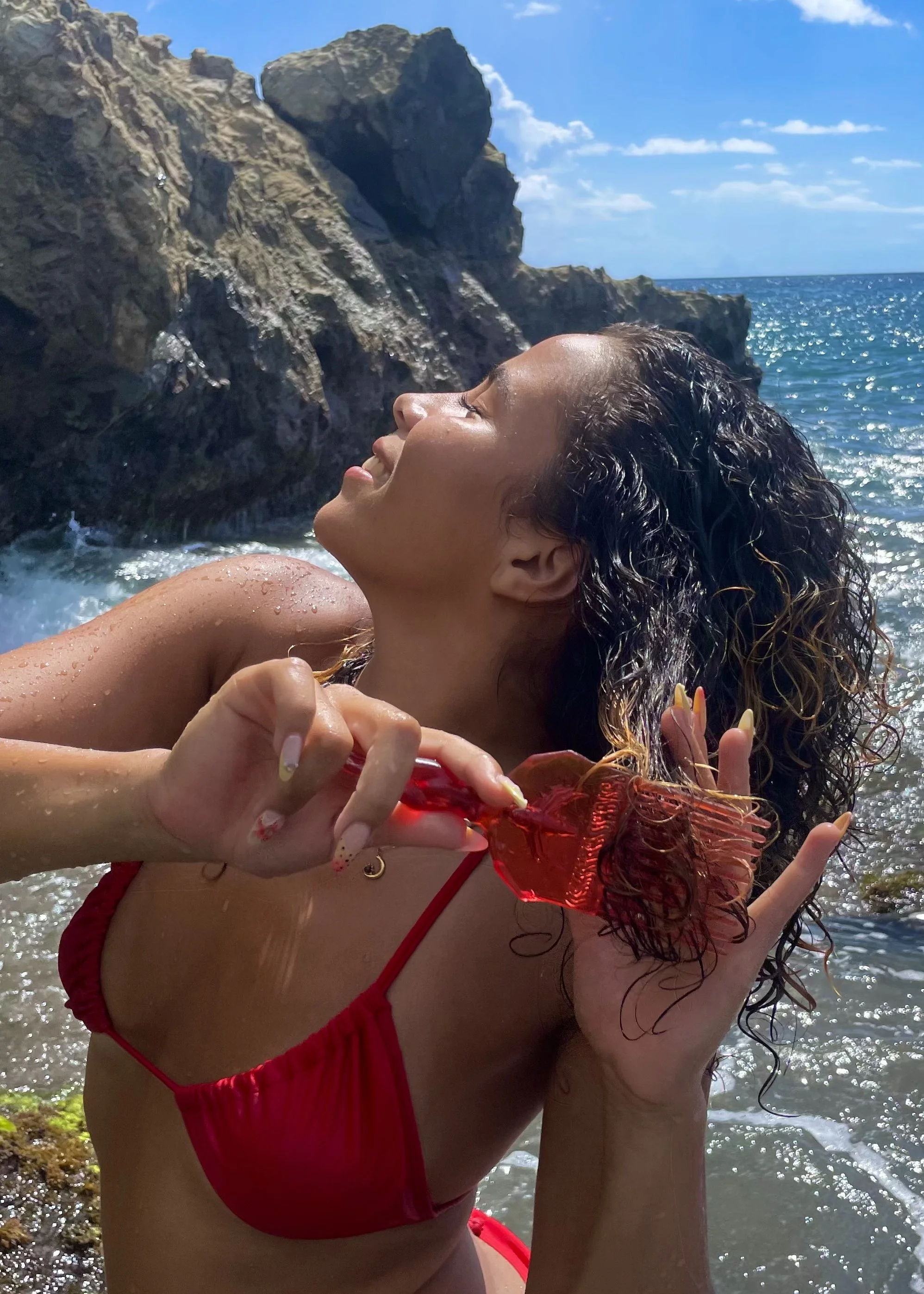
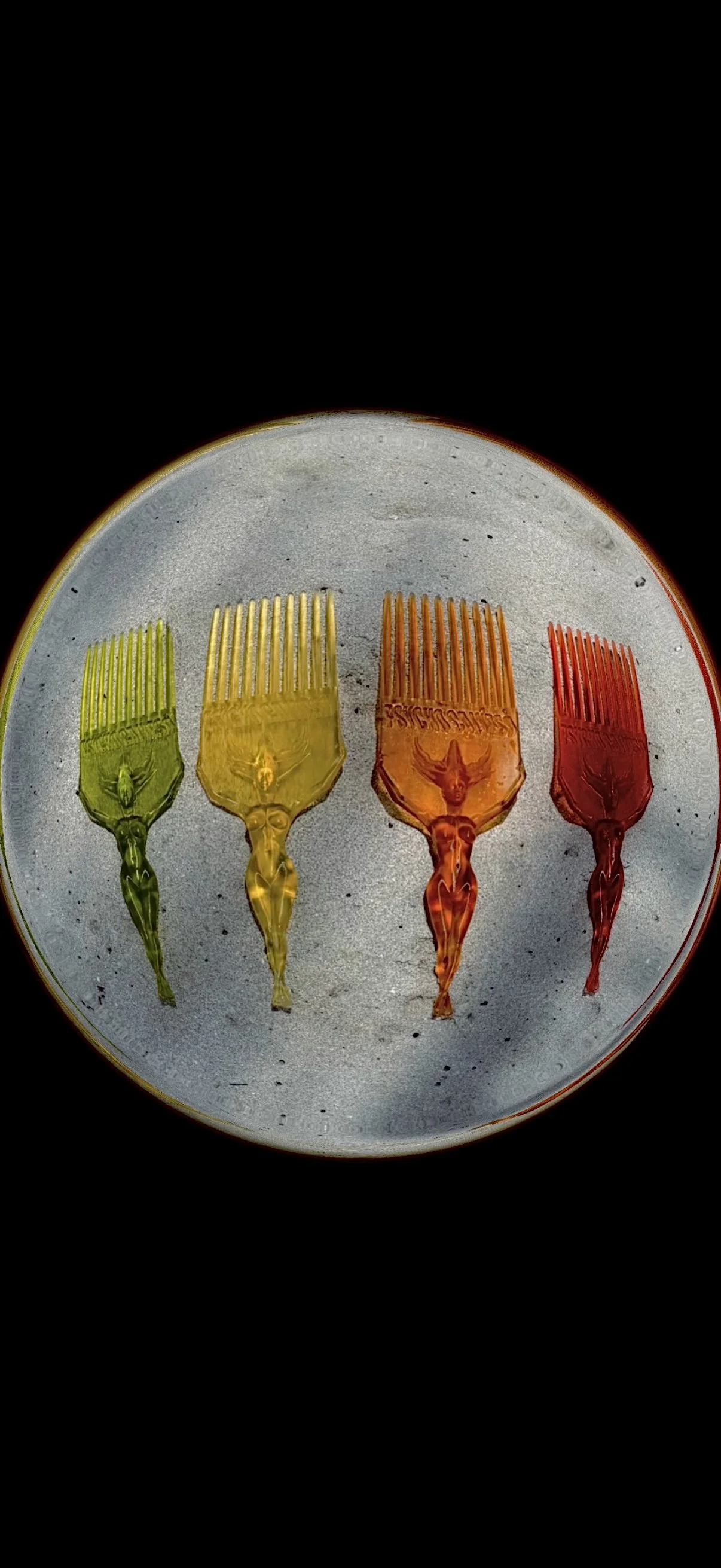
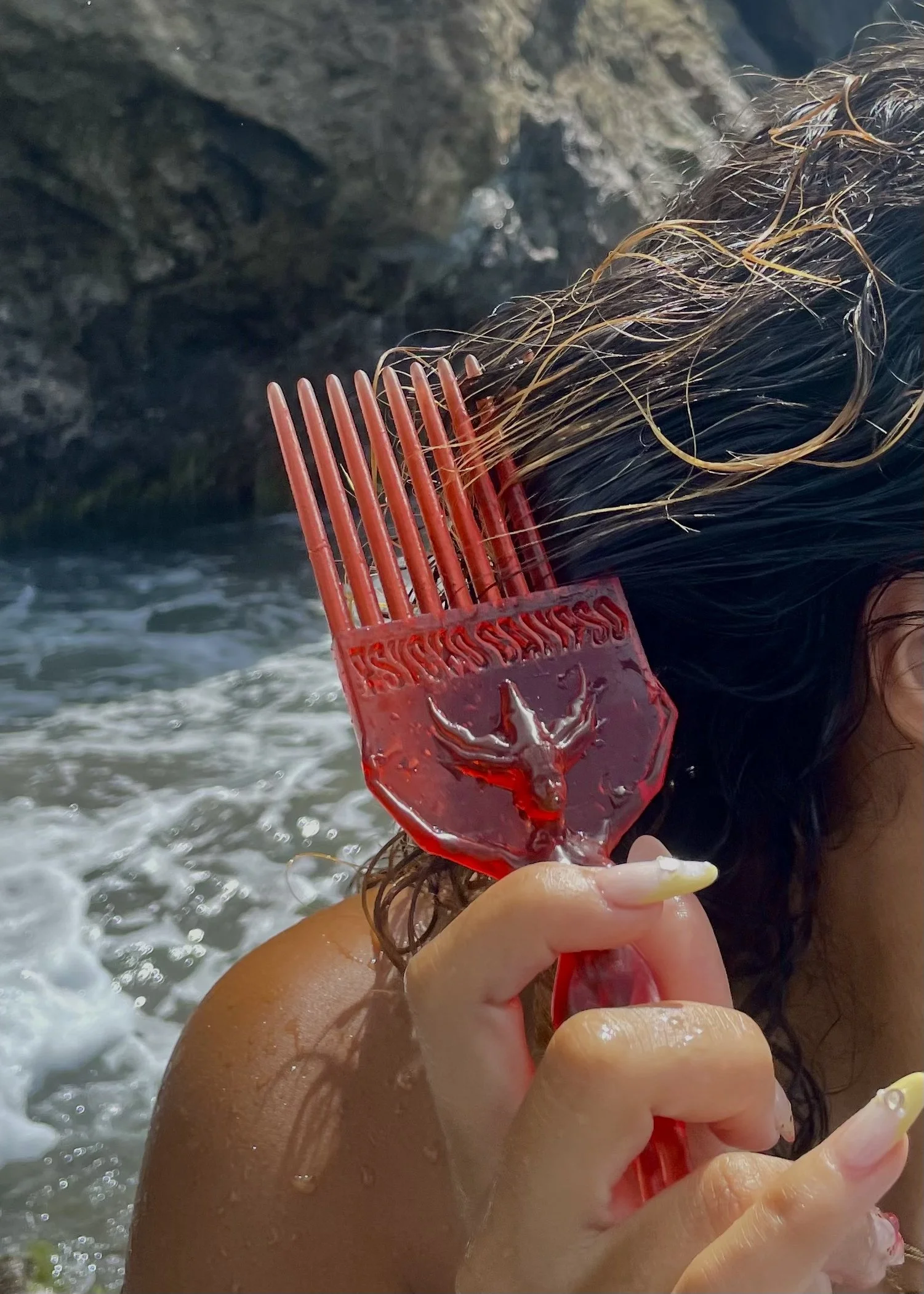
Claire with the ‘Calypso Comb’ in Martinique, available for sale. It was her first product this year, in which she 3D printed each one at home. 3D design by @oquan.o & idea by @paulsouljoyce
Could you share more about your connection to Carnival and how it influences Psycho Calypso?
Our connection to carnival actually comes from my dad. He would lead carnival parades and run school projects in which they would assemble drum orchestras to play at events like the ‘Karneval der Kulturen’. So we always grew up with this form of cultural representation, which our dad shared with us through those projects. That influence continues to shape the music we produce and our desire to bring the carnival energy and sound to the club.
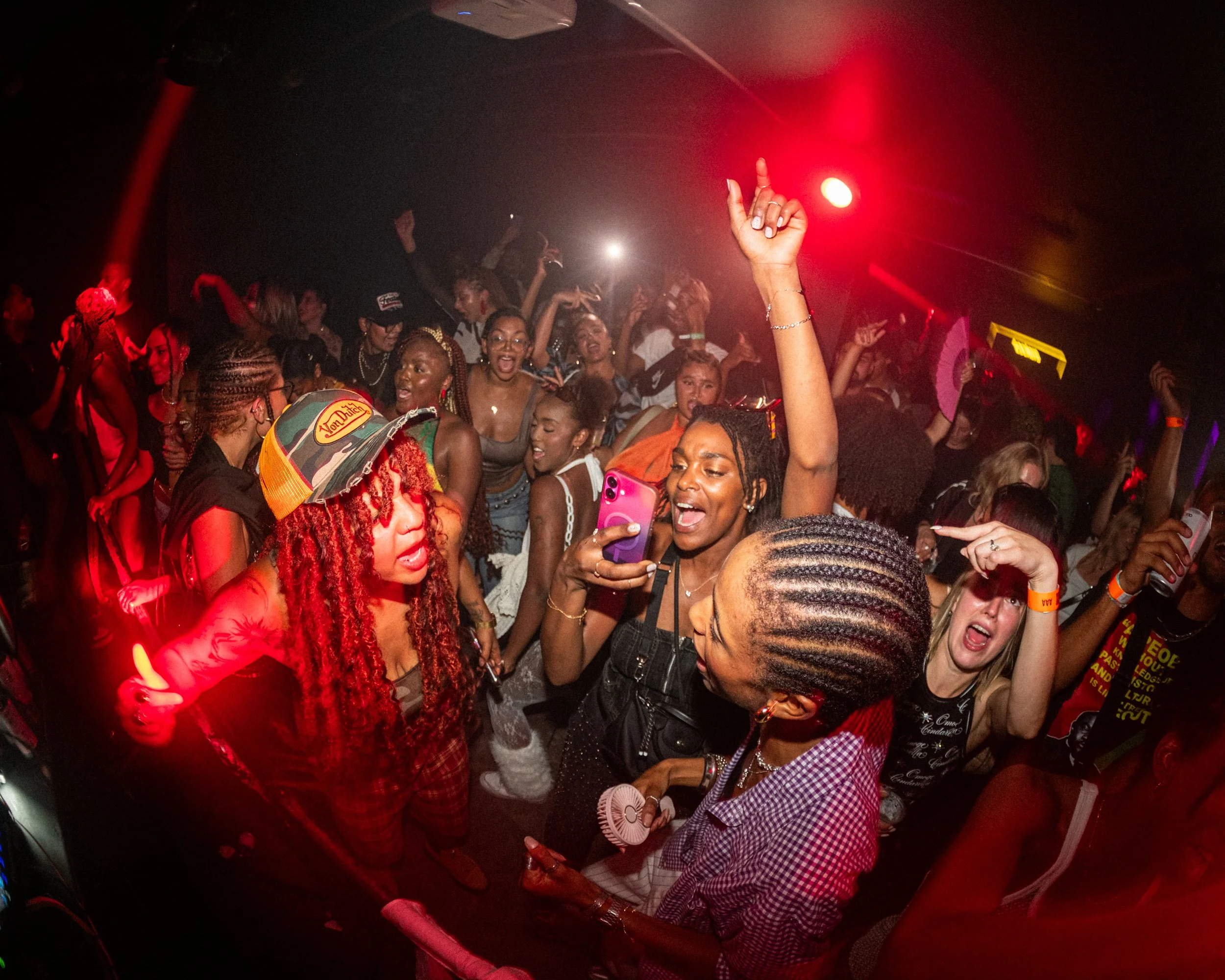
Credit: @louploup___
Carnival is also a central theme of Psycho Calypso, because it’s also the unique event where you can go crazy, have fun, and be whoever you want. That spirit really resonates with Psycho Calypso. We document carnivals around the world through public interviews and social content – partly because Carnival has been essential to the creation of many of the genres we promote, but also because it’s a global phenomenon. Almost every country has a carnival, and the spirit is universal – you have that one day in the year where you can be whatever you want, go wild, have fun, without judgment. A feeling we want to promote by bringing carnival energy from the streets into the club.
Looking ahead, what’s coming up for Coco Calypso both professionally and creatively – and for you, Claire, how do you see yourself growing alongside that journey?
This year has already been full of accomplishments for me. A lot of things that I’ve dreamed of years ago finally happened, and it felt really good to see everything moving. It also feels like it was a year of building a foundation, or at least making my path clearer for what’s to come. My goals now are about pushing forward – releasing new music, elevating my DJ sets, integrating new forms of live performances, and, in general, just staying innovative.
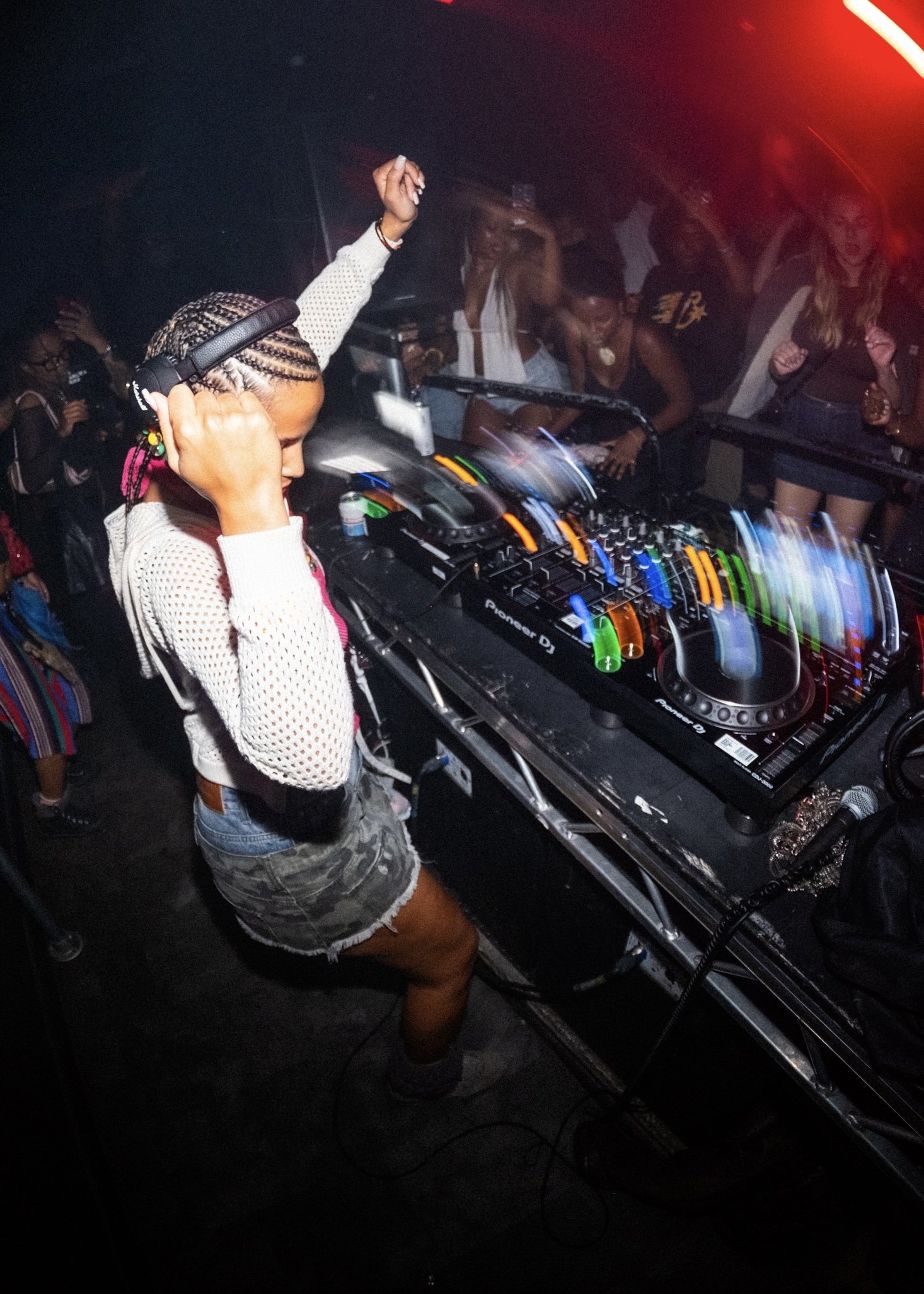
Photo credit: @louploup___
I’m also excited to collaborate and bring other artists into my projects, which I’m doing with a new album compilation I’m currently curating for Psycho Calypso. It features various artists tied to or influenced by Caribbean styles like Bouyon and Dennery Segment, each adding their own approach, most of them from the Afro-diaspora in Europe, and navigating a similar musical landscape.
